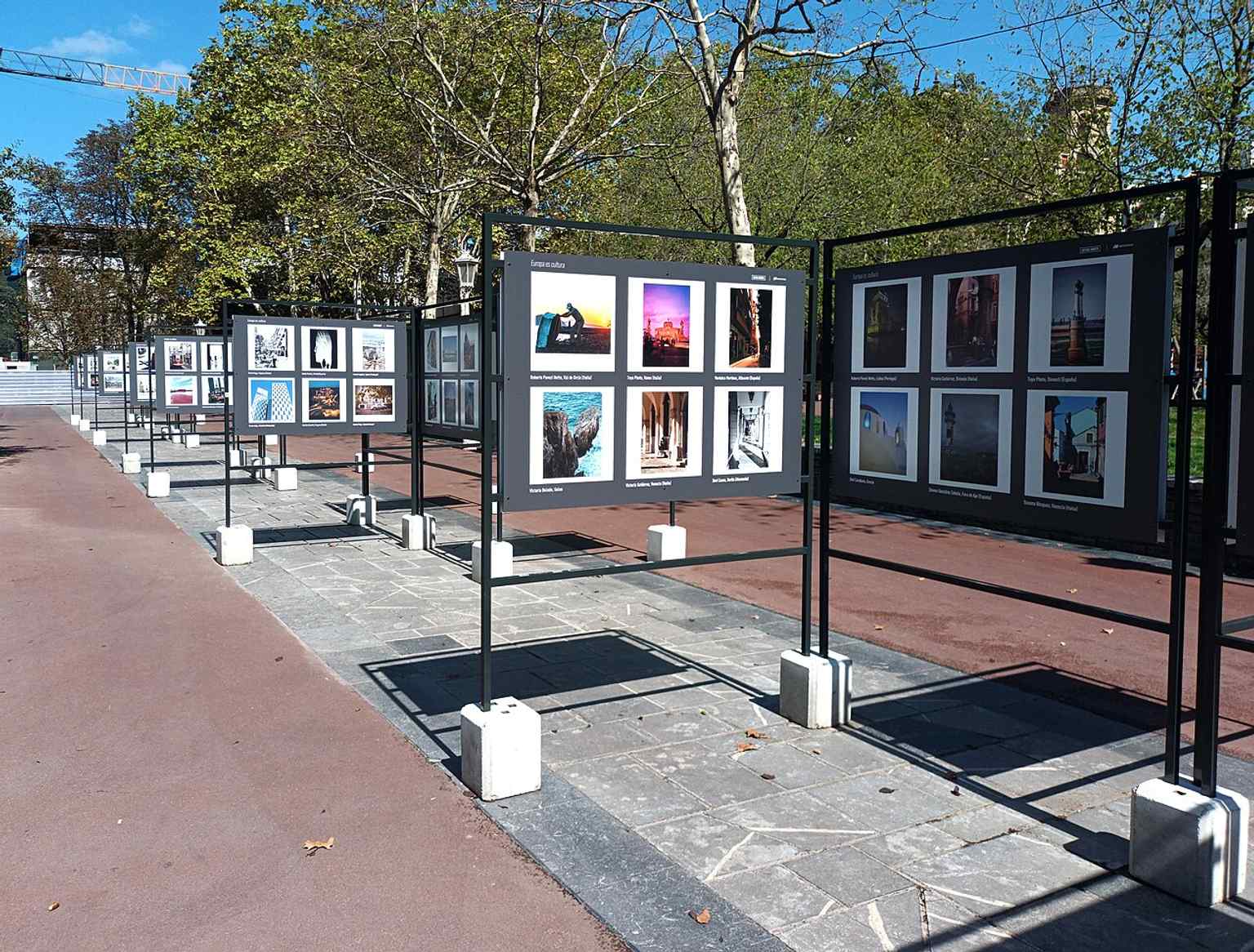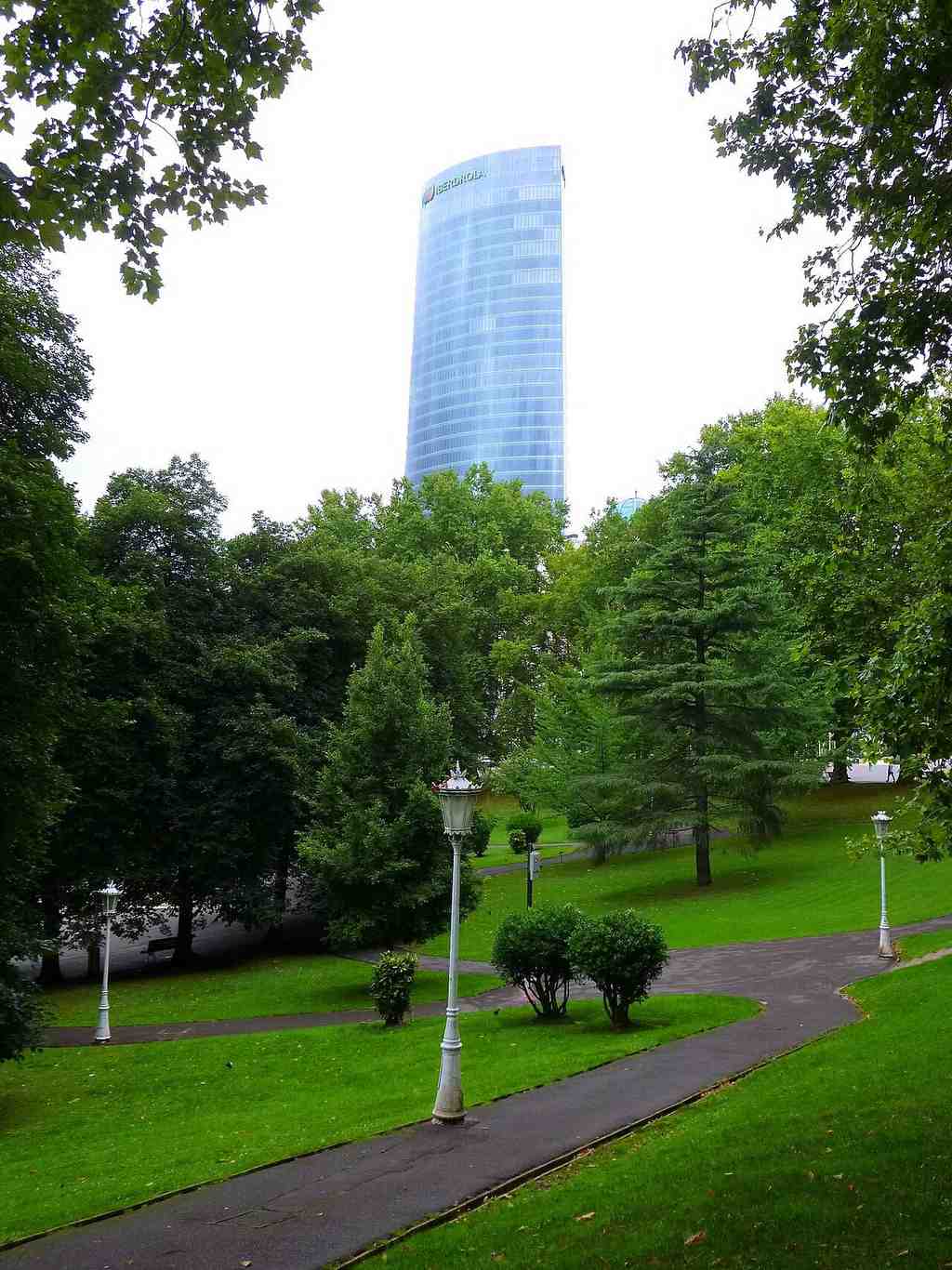
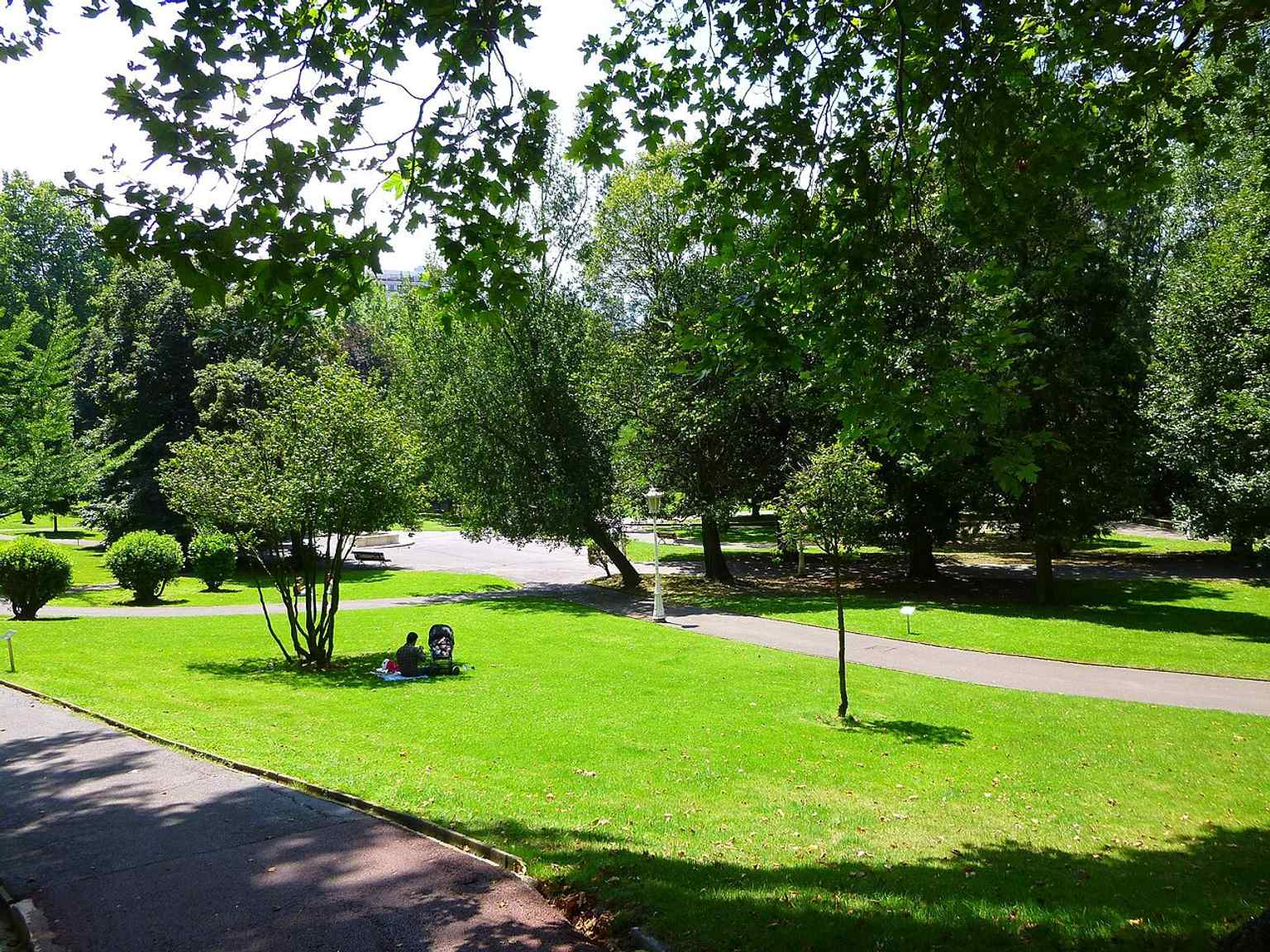
Ahead of you is a broad English-style park shaped by curving gravel paths, a long shaded pergola, and a pond that gives the whole place its unmistakable center.
This is Doña Casilda Iturrizar Park, and it carries the name of a woman Bilbao never quite forgot. Doña Casilda Iturrizar became a powerful widow after her husband, Tomás de Epalza, died in eighteen seventy-three. She inherited a huge fortune and, instead of vanishing behind private doors, she gave generously to the city... helping Basurto Hospital, La Misericordia, and even the effort to fund a university here. For a nineteenth-century benefactor, that kind of public memory is rare. In Bilbao, her name still sticks to the map.
What feels restful now came from careful planning, not accident. Bilbao’s eighteen seventy-six expansion plan reserved this land for public breathing room, and then architect Ricardo Bastida and agronomist Juan de Eguiraun turned the idea into a real park between nineteen twelve and nineteen twenty. If you glance at your screen, the wide view shows that old ambition clearly: a formal city park, but softened by trees and open space.
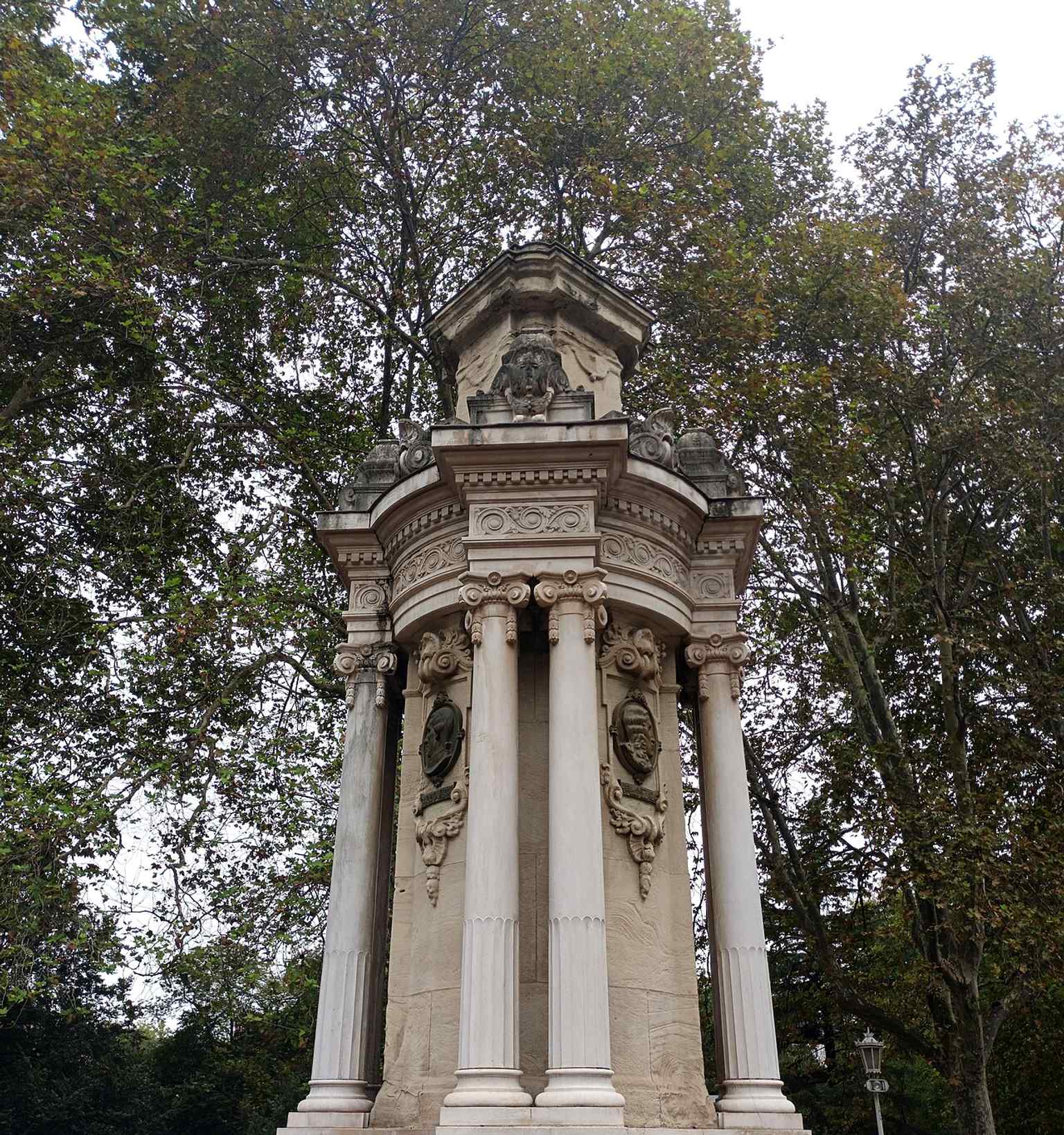
Locals affectionately call it Parque de los Patos... Duck Park... because of the pond and its waterfowl. But it is also a quiet outdoor memory book. There’s Casilda’s effigy here, a sculpture by Eduardo Chillida, a tribute to the clown Tonetti, and Aureliano Valle’s monumental fountain. Take a look at the fountain image in the app and you can see how the park doubles as a memorial without ever feeling stiff.
Its identity even shifted with politics. During the Spanish Civil War, people called it Parque de las Tres Naciones. In nineteen forty-five, the city restored Casilda’s name. Later, roads and the Fine Arts Museum cut into the park, and then the Abandoibarra redevelopment gave some of that ground back, stretching green space over former shipyard land.
So here’s the question to carry with you: does a city reveal itself more by the fortunes it creates, or by what those fortunes return to everyone else? Up ahead, that question follows us to the old industrial river edge at Euskalduna. And one practical note: this park is open all day, every day.