
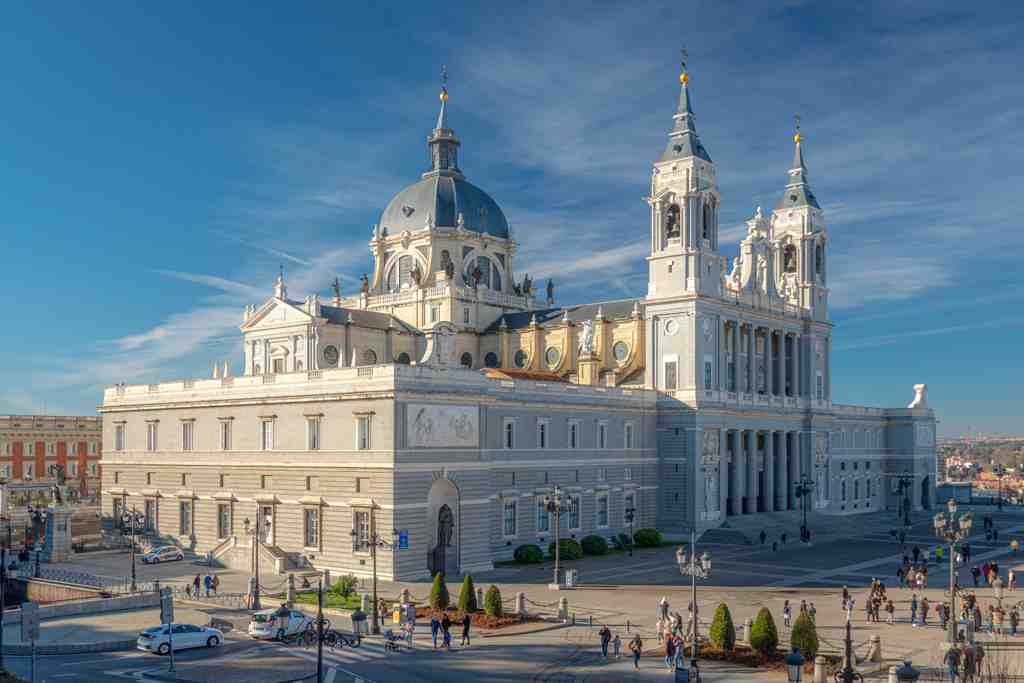
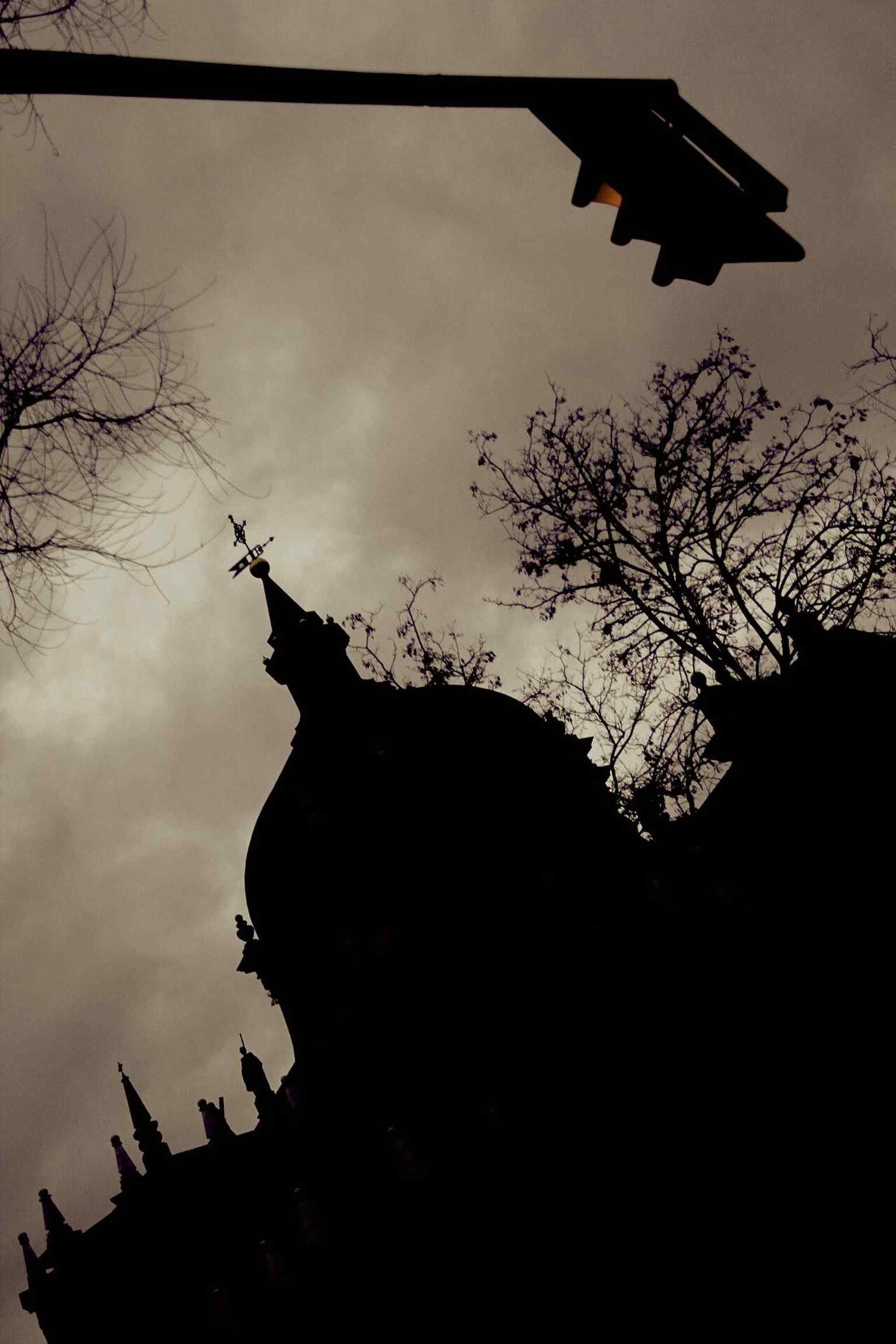
On your left, look for the pale stone cathedral with a broad, columned front, a dark slate dome rising above the roofline, and twin towers that give it the posture of a royal neighbor.
This is Almudena Cathedral, Madrid’s long-awaited great church... and like so much in this city, it stands on top of older lives. Near this spot stood an earlier church of Santa María de la Almudena, and before that, a mosque. Even the name Almudena comes from the Arabic al-mudayna, meaning “citadel,” a little reminder that Madrid keeps changing costumes without entirely leaving the stage.
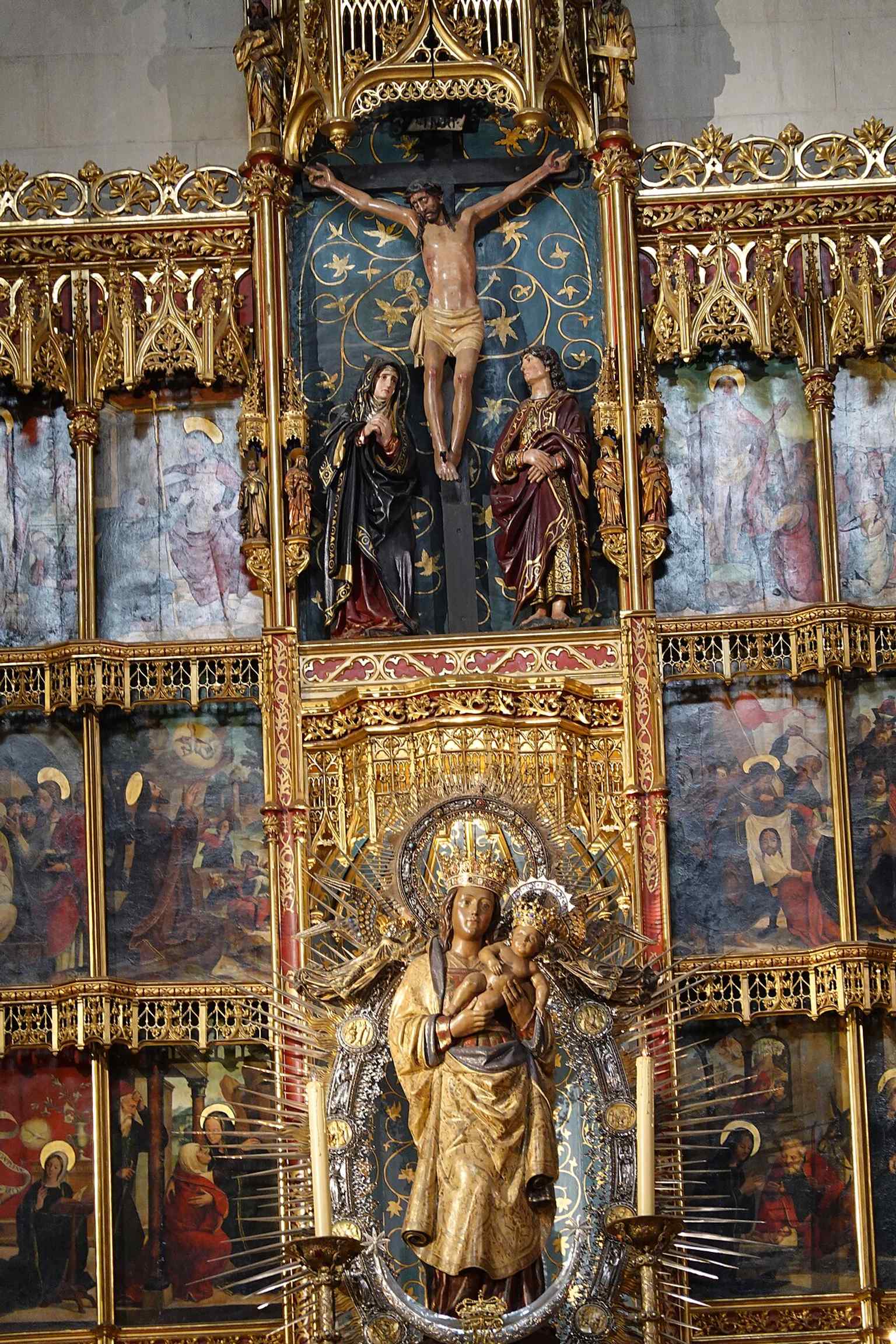
The Virgin of the Almudena sits at the heart of that memory. According to legend, after King Alfonso the Sixth retook Madrid in the late eleventh century, he prayed for a lost image of the Virgin that Christians had hidden inside the city wall during Muslim rule. A section of the wall collapsed and revealed the statue, still with candles beside it... a story Madrid has cherished ever since, because it suggests that faith, memory, and identity can survive a very long burial.
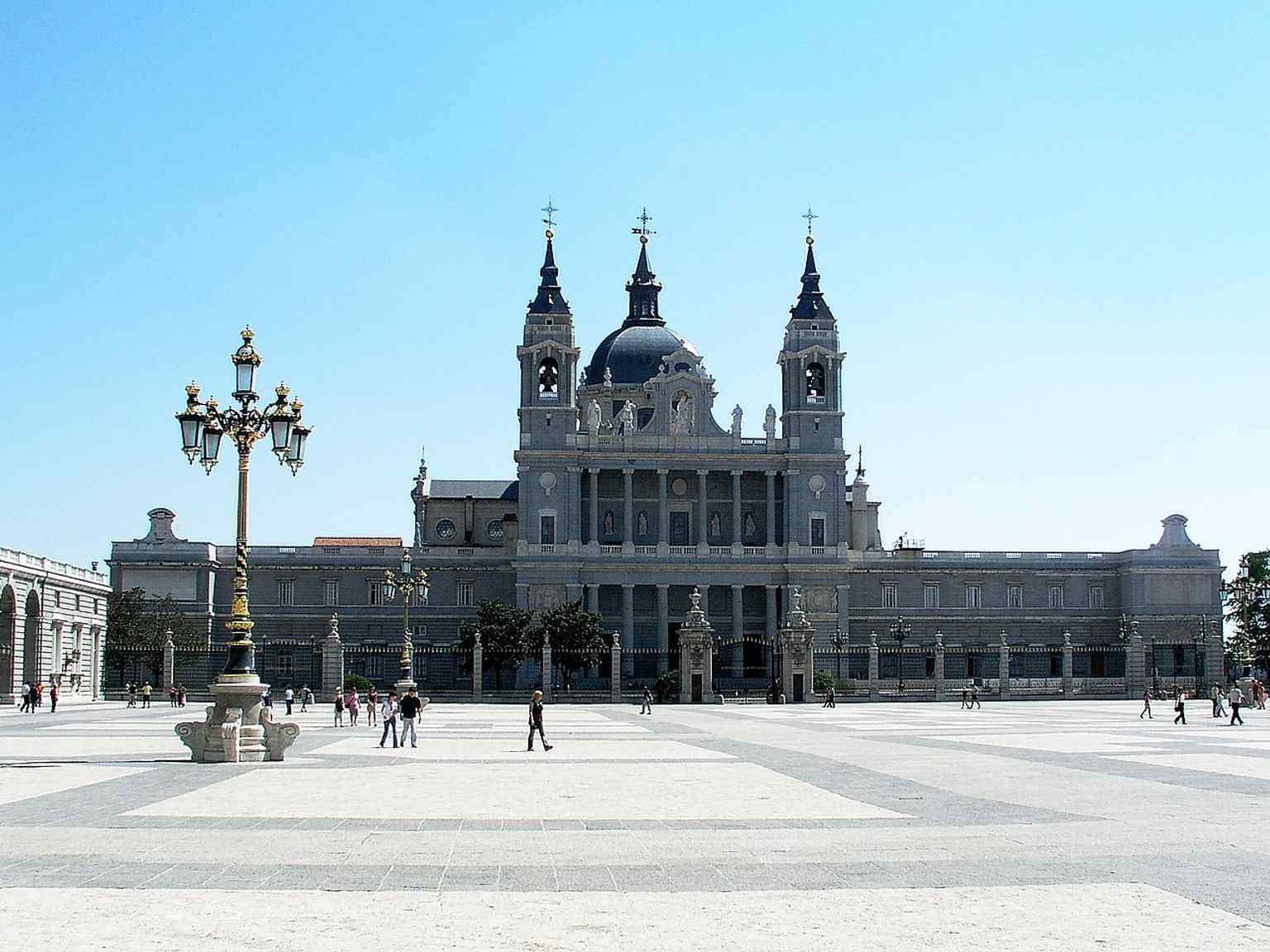
Take a moment and look at how closely this cathedral stands to the palace across from it. That pairing is unusual. Most cathedrals claim their own space and face east to west; this one runs north to south so it can join the royal complex. In other words, devotion here does not stand off to the side... it looks power straight in the eye.
And yet this building took its sweet time getting here. For centuries, Madrid wanted a proper cathedral, but the archbishops of Toledo resisted giving up church authority. Plans came and went. At last, in eighteen eighty-three, King Alfonso the Twelfth laid the first stone on land the Crown provided, with strong support from the royal court. That gives the building a human pulse under all this stone.
Meanwhile, Madrid improvised. The church of San Isidro, which we visited earlier, served as the city’s working cathedral for decades while this one crawled forward. One cathedral under construction, another on temporary duty... that is a very Madrid arrangement.
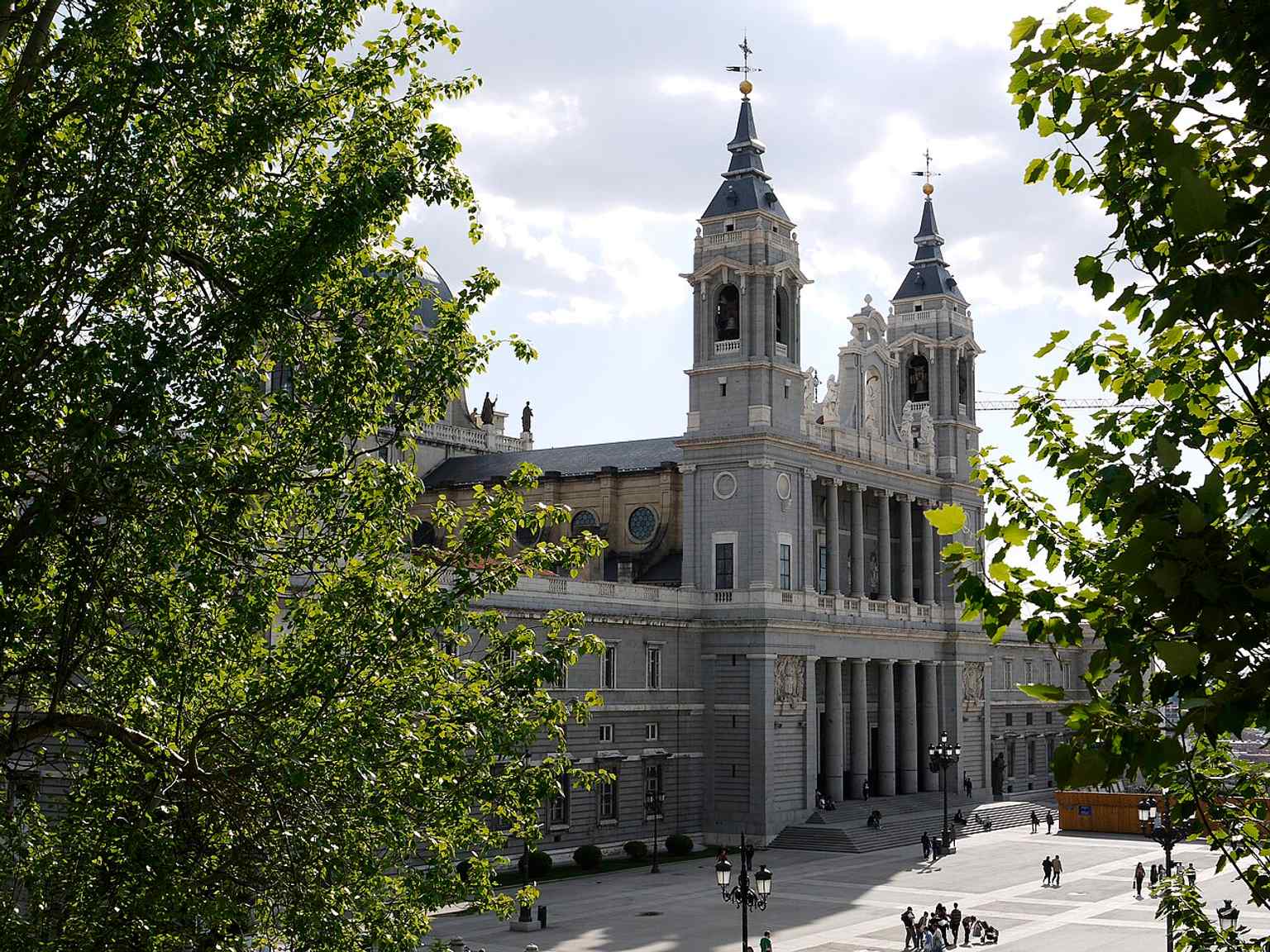
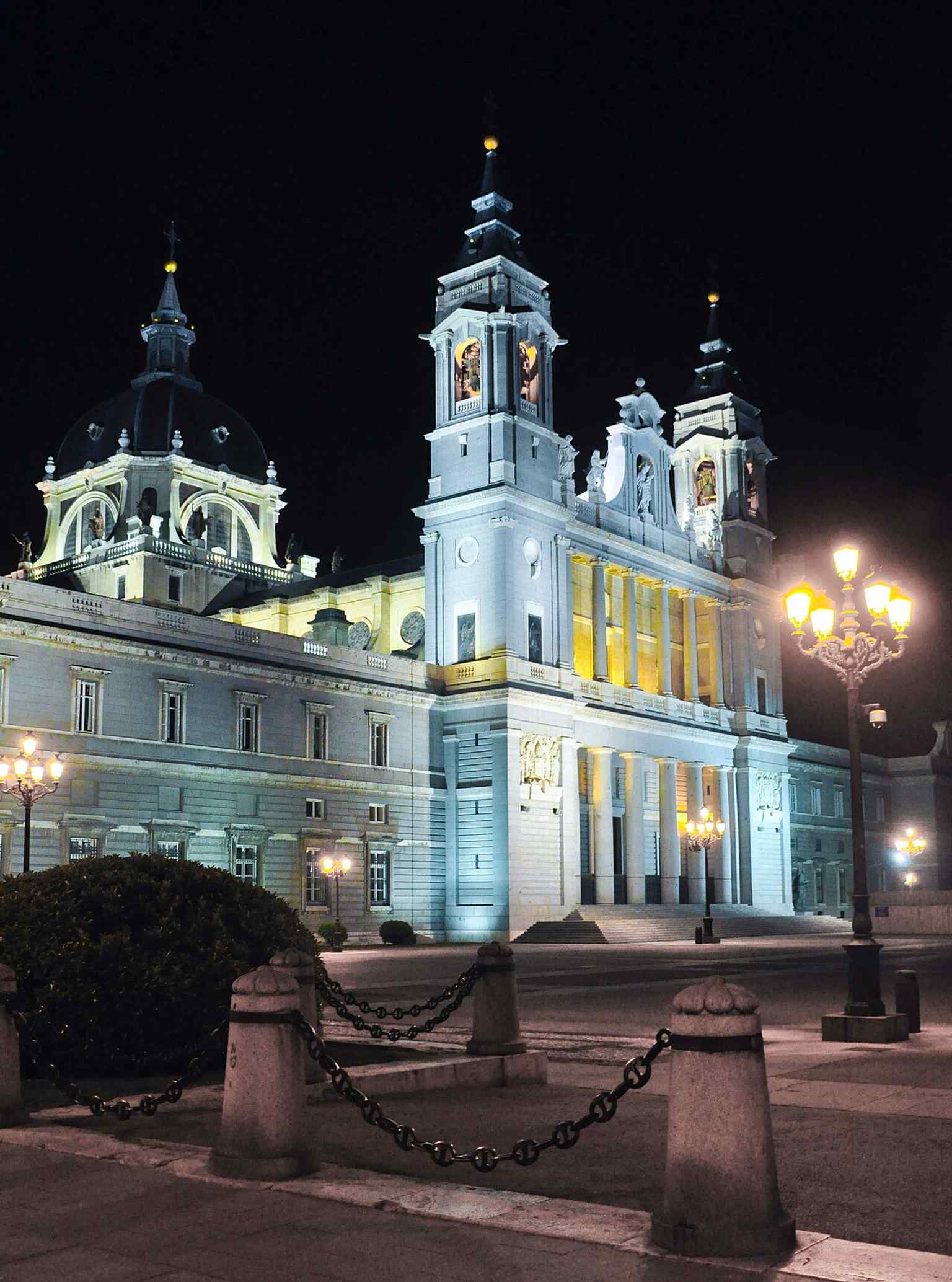
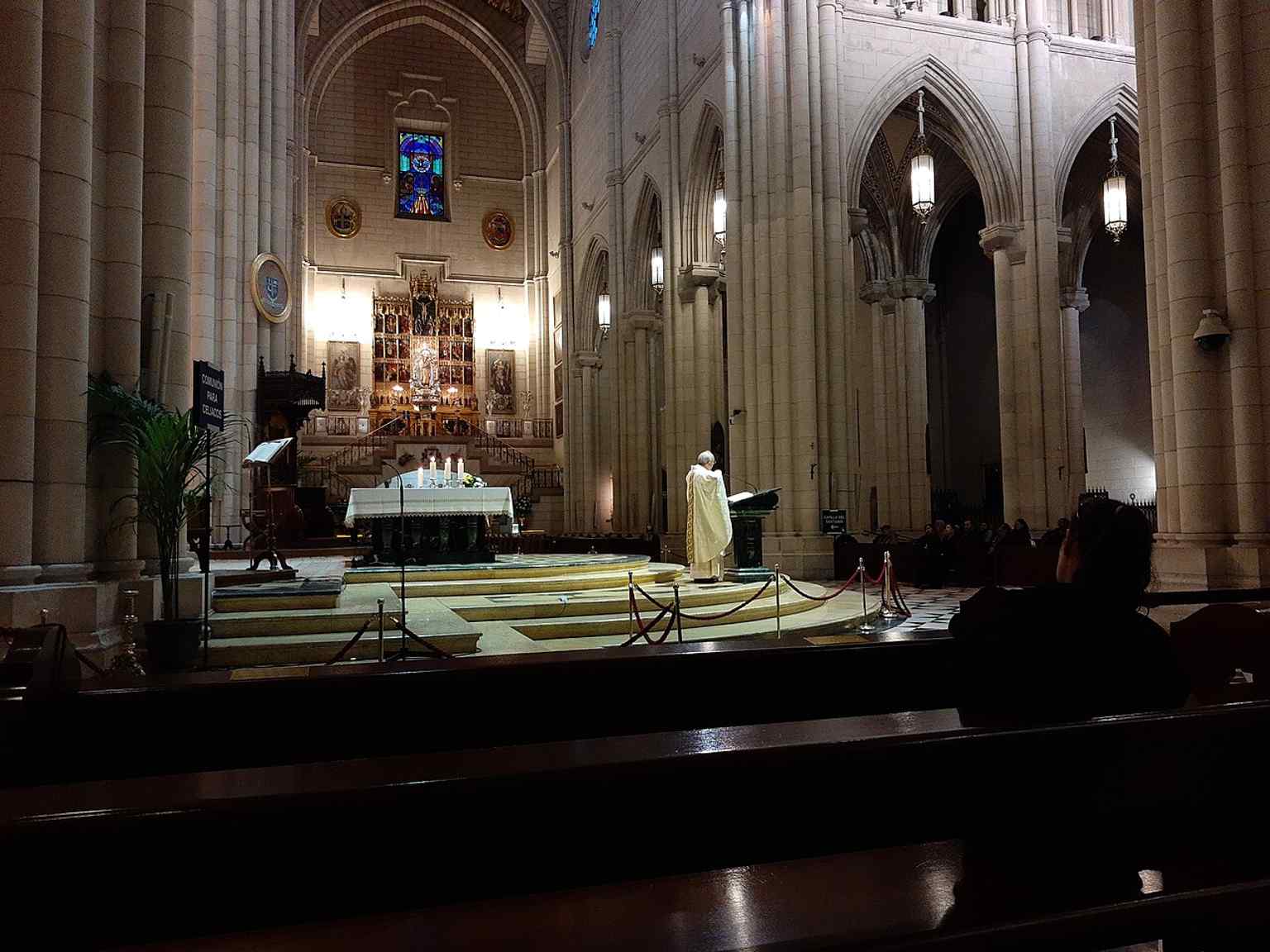
What you see outside is mostly neoclassical, chosen in the twentieth century so the cathedral would harmonize with the palace. Inside, though, the main space turns neo-Gothic, while the crypt below goes neo-Romanesque. If you want a peek underground, have a look at the crypt image in the app: more than four hundred columns, each with a different carved capital, like a stone forest with no repeated leaves.
The cathedral finally reached its great public moment in nineteen ninety-three, when Pope John Paul the Second consecrated it in person. If you check the historic photo on your screen, you can see that long-delayed finish line. Since then, Almudena has hosted royal rites, state funerals, and the wedding of the future King Felipe the Sixth and Letizia in two thousand and four.
Now let your eyes drift toward the palace opposite. Sacred continuity has taken its place beside royal magnificence, and in about four minutes we’ll cross into that story at the Royal Palace of Madrid. If you want to return later, check the current opening hours in the app.







.jpeg)

