AudaTours logoAudaTours

Stop 15 of 16

Museo Nacional del Prado

headphones 04:25 Buy tour to unlock all 18 tracks

On your left, look for a long pale-stone building with a deep columned portico and the seated statue of Velázquez marking the entrance.

This is the Prado, and it feels like a finish line because, in a way, the city has been quietly steering us here all along. Crowns, convents, plazas, ceremony, ambition... they all end up under this roof.

Juan de Villanueva drew this building in seventeen eighty-six for King Carlos the Third, but not as an art museum. He planned a home for the Royal Cabinet of Natural History, a place for science, classification, and orderly thought. Madrid, being Madrid, changed the script. Instead of minerals and specimens, these galleries became the container for a royal picture collection that slowly turned into something public. When the museum opened in November of eighteen nineteen, the first catalog listed only three hundred eleven paintings, though about one thousand five hundred works from the royal sites were already in its care. The museum began, basically, as a grand reshuffling of the crown’s possessions before it became the Prado people know today.

And what possessions they were. Charles the Fifth favored Titian. Philip the Second chased the strange, unforgettable visions of Bosch. Philip the Fourth enriched the holdings with Velázquez, Rubens, and Italian masters. Philip the Fifth and Isabel Farnese added major sculpture and more painting. So the Prado is not just a museum; it is a former royal appetite, turned inside out for the public.

Then the collection kept growing by absorbing other histories. The old Museo de la Trinidad sent in religious paintings rescued from suppressed monasteries and convents. Later, the Museum of Modern Art fed in nineteenth-century Spanish painting. That is why the Prado can hold medieval altarpieces, court portraits, war images, Black Paintings, and Sorolla under one institutional heartbeat. It is less a single collection than a whole republic of collections.

If you glance at your screen, that monument to Velázquez at the entrance, installed in eighteen ninety-nine, gives away who truly reigns here now. Not a king on horseback... a painter in a chair. I like that. Feels like progress with better posture.
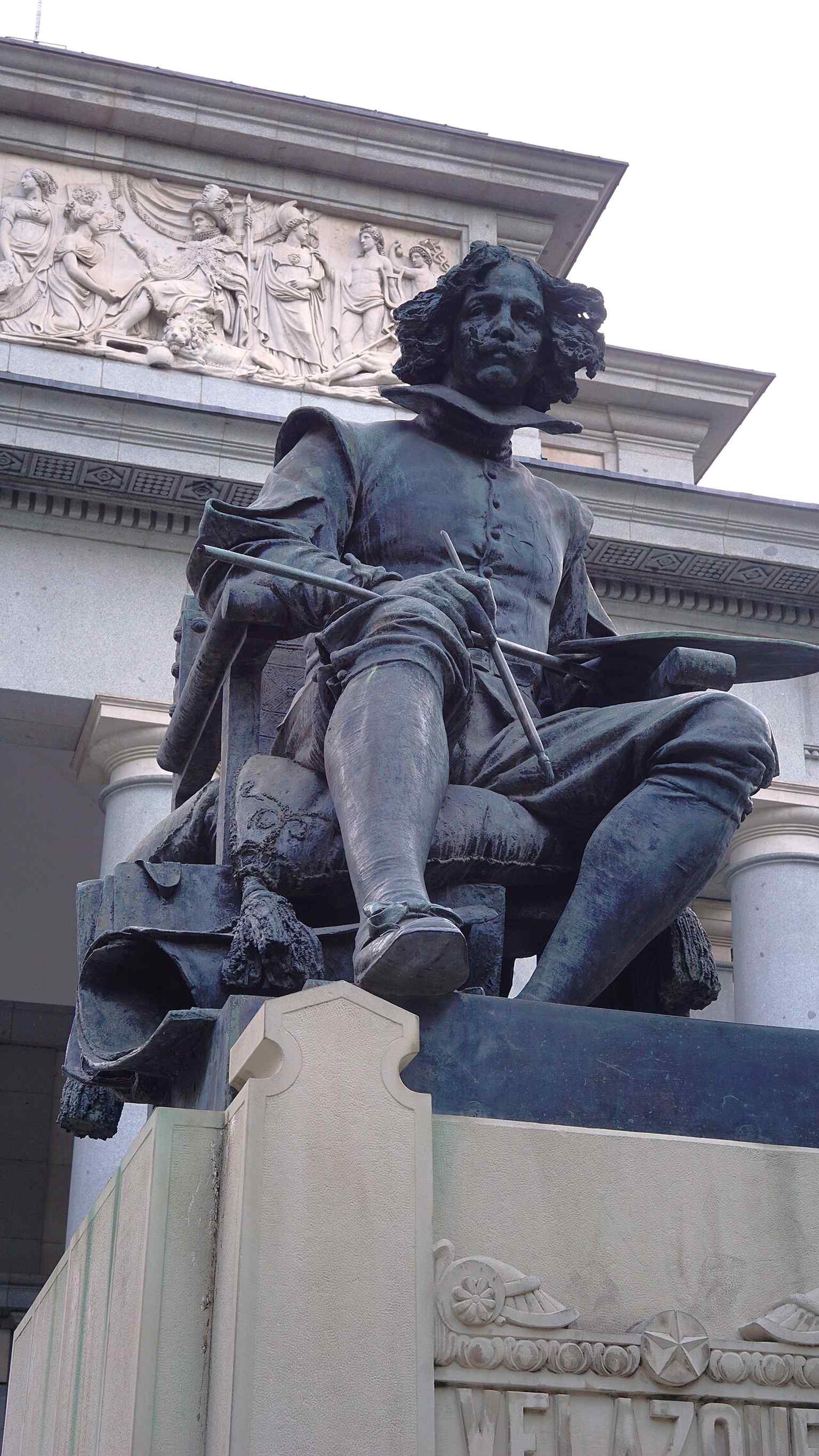
Velázquez stands at the main entrance, a 1899 monument that honors the painter most closely associated with the Prado's collection.
Velázquez stands at the main entrance, a 1899 monument that honors the painter most closely associated with the Prado's collection.Photo: Coralma*, Wikimedia Commons, CC0. Cropped & resized.

This place also survived the twentieth century by the grit of very real people. In November of nineteen thirty-six, bombs fell on the Prado and its surroundings during the civil war. Emergency protections saved the building from catastrophic loss; inside, damage was limited to a sixteenth-century relief. Then Timoteo Pérez Rubio helped direct the evacuation of the treasures. By February of nineteen thirty-nine, seventy-one trucks carried the most important works across the border for safety. Not glamorous, maybe, but civilization often depends on someone who knows how to label a crate and keep moving.

And the Prado has always been a school as much as a shrine. Generations of copyists worked here; Fortuny, Sorolla, Sargent, even Picasso learned by looking long and hard. You can see that tradition in the app image of a modern copyist facing Las Hilanderas.
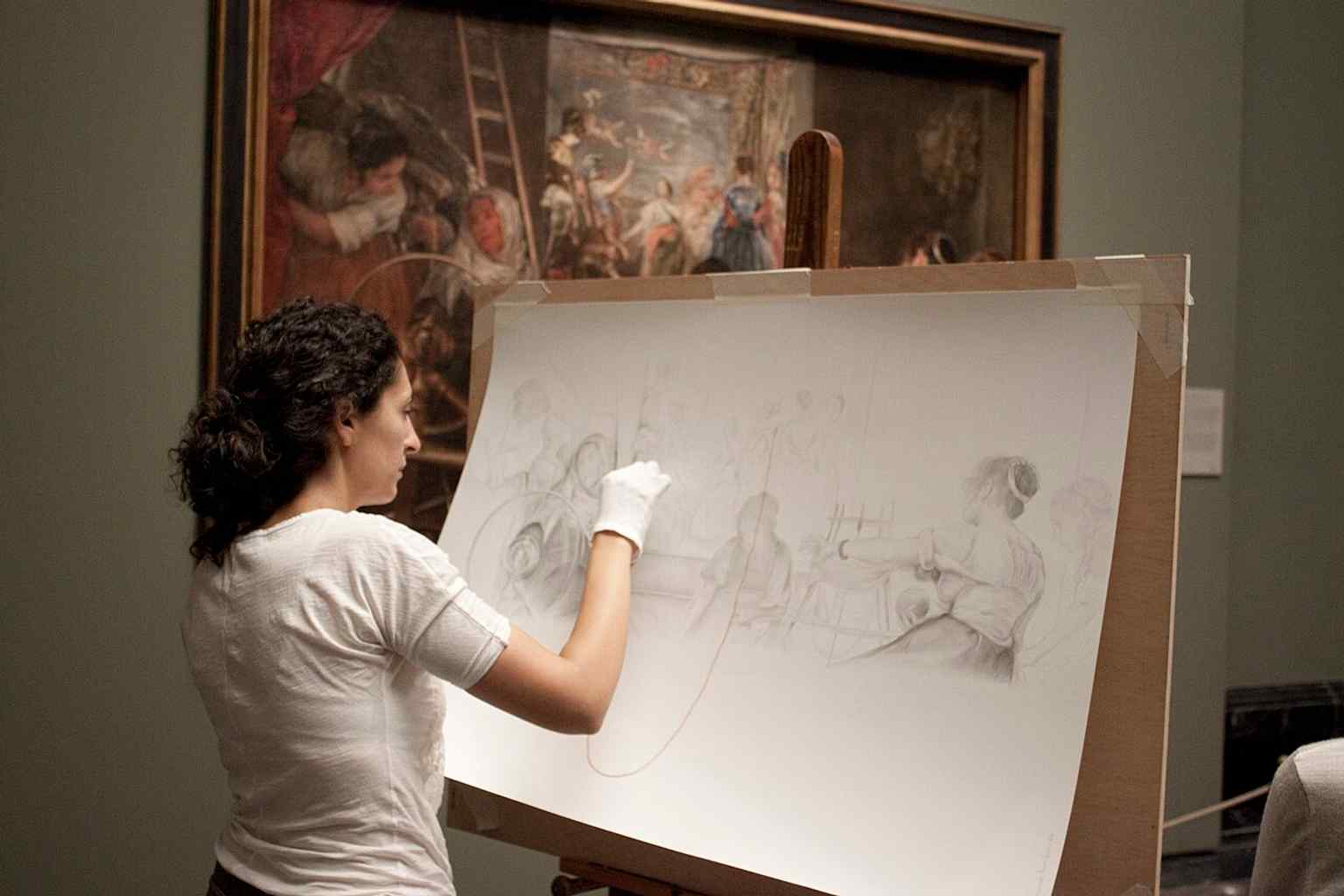
A contemporary artist copying Las Hilanderas in the galleries, a reminder that the Prado has long functioned as a school for painters.
A contemporary artist copying Las Hilanderas in the galleries, a reminder that the Prado has long functioned as a school for painters.Photo: Creadoraonline, Wikimedia Commons, CC BY-SA 4.0. Cropped & resized.

So here is the question I’ll leave with you: when art gathered to glorify rulers becomes something any stranger can enter and study, does power lose its force... or does it become more complicated, more honest?

If Sol measures the roads of Spain, the Prado measures another distance entirely: the journey from possession to memory. After everything this city has layered over itself, it is fitting that we end at the place where so many of those layers learned to speak in public.

If you’re going inside, check the current opening hours in the app.
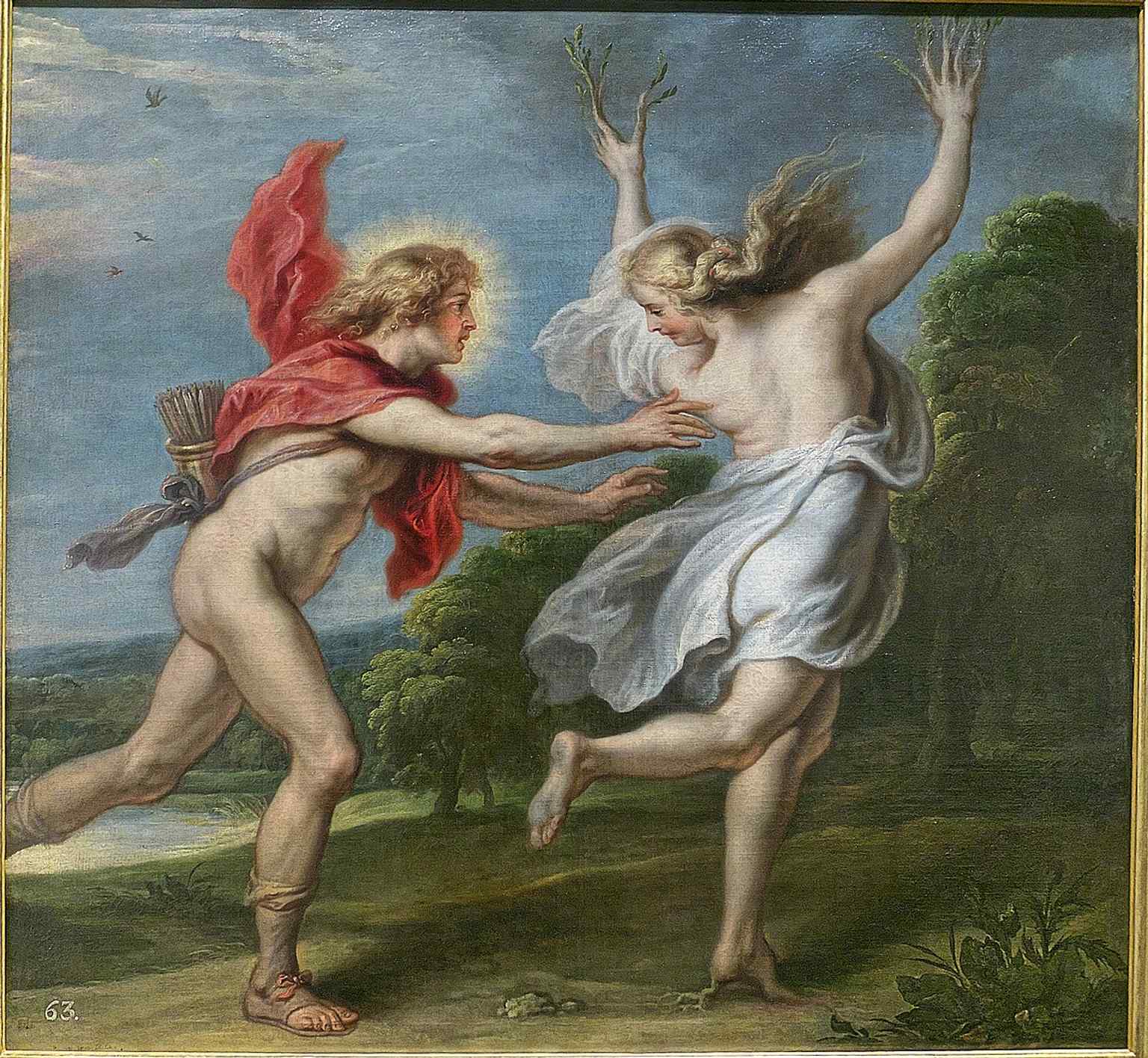
A mythological painting made for the Torre de la Parada, one of the Prado's famous royal palace commissions.
A mythological painting made for the Torre de la Parada, one of the Prado's famous royal palace commissions.Photo: Theodoor van Thulden / After Peter Paul Rubens / Peter Paul Rubens, Wikimedia Commons, CC BY-SA 4.0. Cropped & resized.
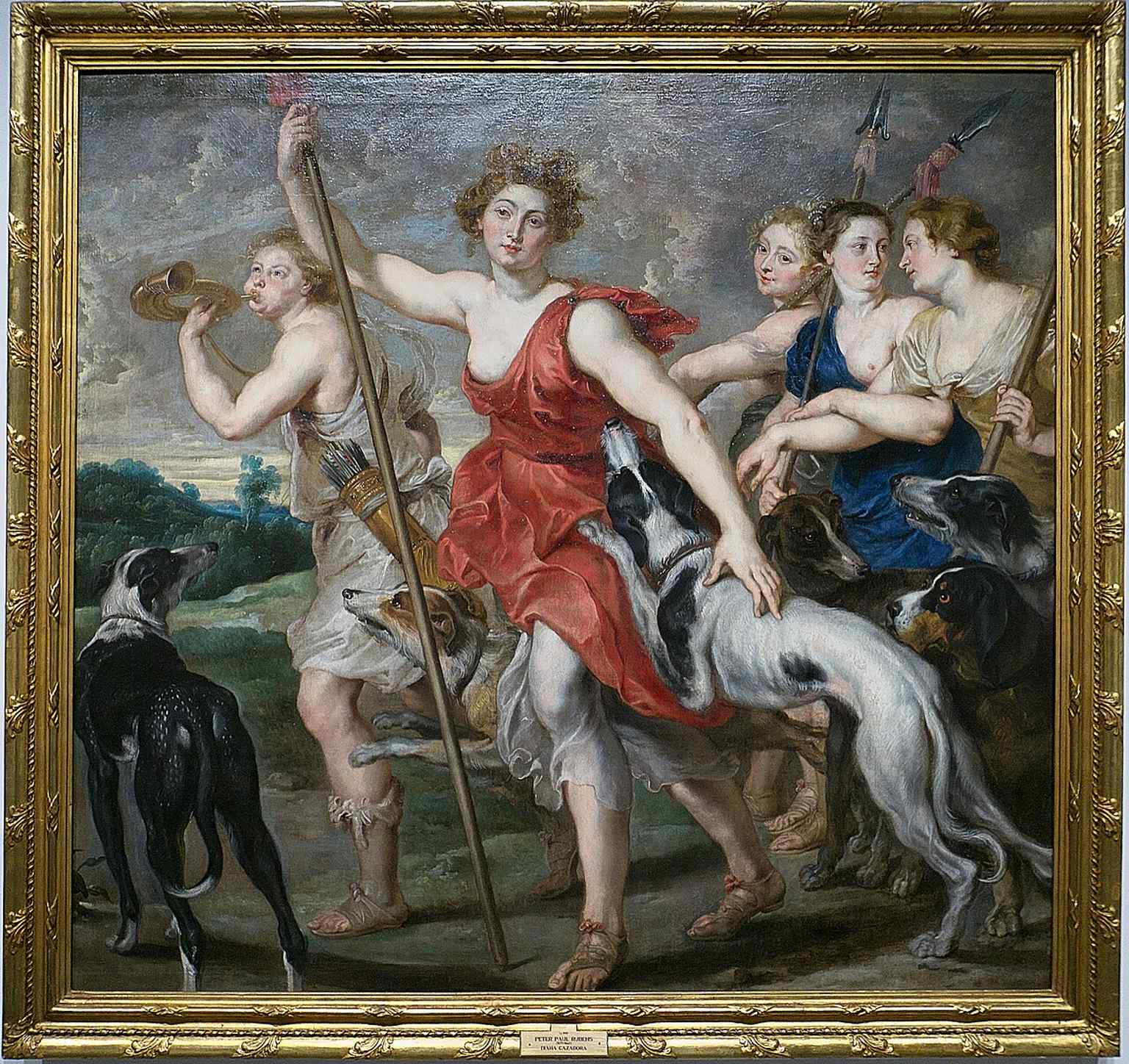
Rubens' hunting goddess scene reflects the courtly Baroque taste that helped shape the Spanish royal collections.
Rubens' hunting goddess scene reflects the courtly Baroque taste that helped shape the Spanish royal collections.Photo: Peter Paul Rubens, Wikimedia Commons, CC BY-SA 4.0. Cropped & resized.
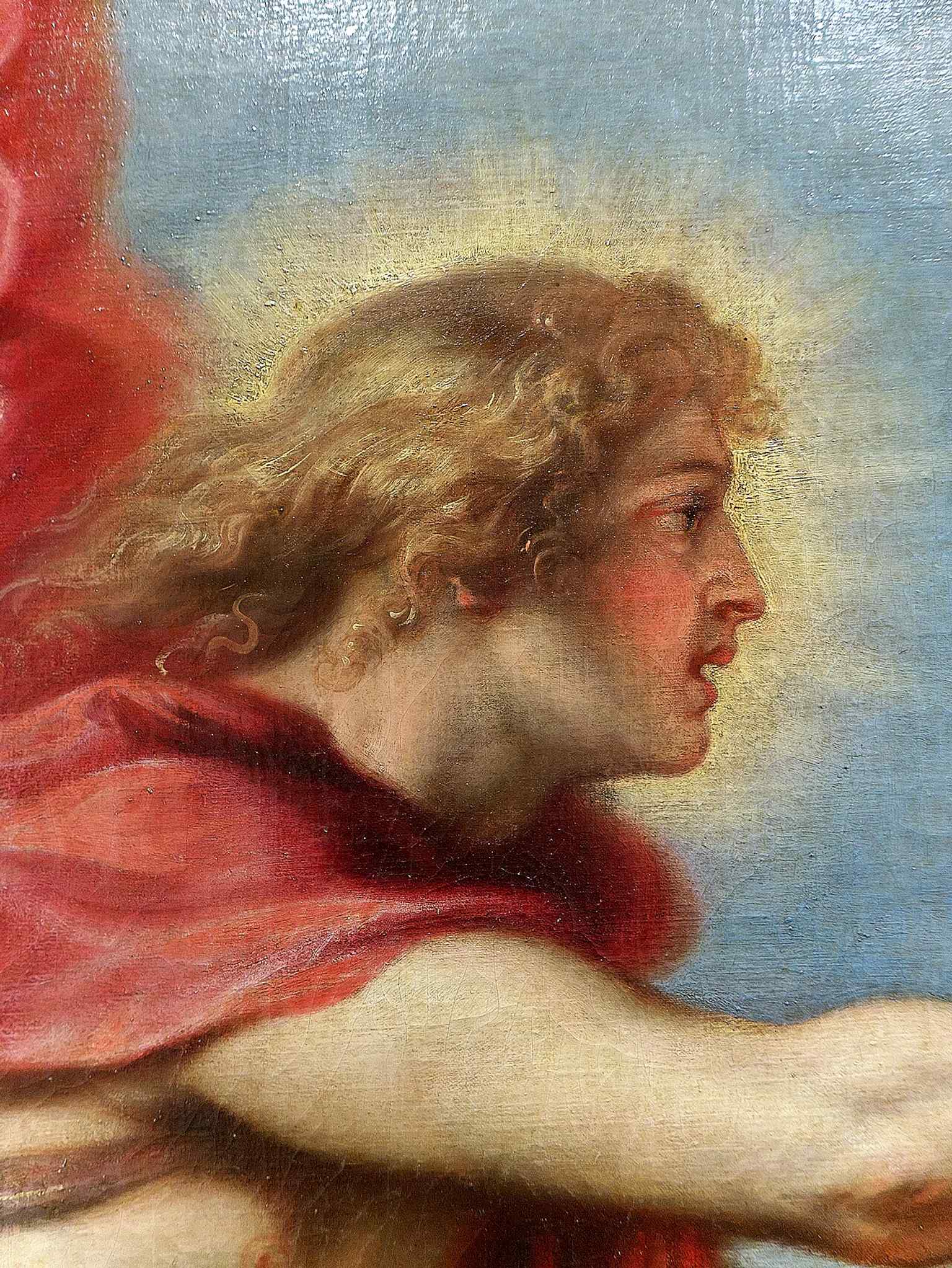
A surviving fragment of the Prado's Torre de la Parada cycle, showing how the museum preserves pieces from royal decorative programs.
A surviving fragment of the Prado's Torre de la Parada cycle, showing how the museum preserves pieces from royal decorative programs.Photo: Jl FilpoC, Wikimedia Commons, CC BY-SA 4.0. Cropped & resized.
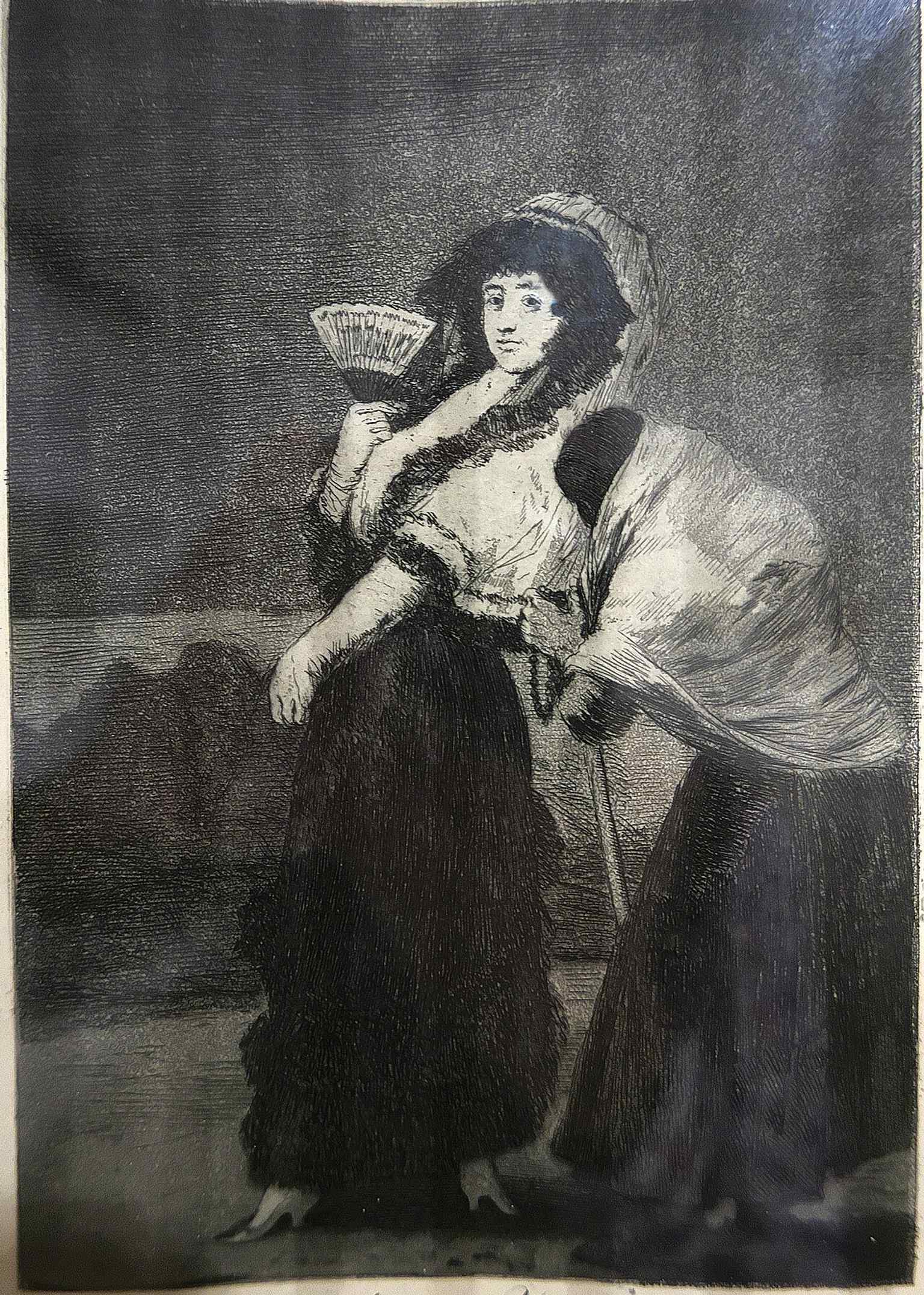
One of Goya's sharpest Caprichos prints, part of the museum's unrivaled collection of his drawings and engravings.
One of Goya's sharpest Caprichos prints, part of the museum's unrivaled collection of his drawings and engravings.Photo: Jl FilpoC, Wikimedia Commons, CC BY-SA 4.0. Cropped & resized.
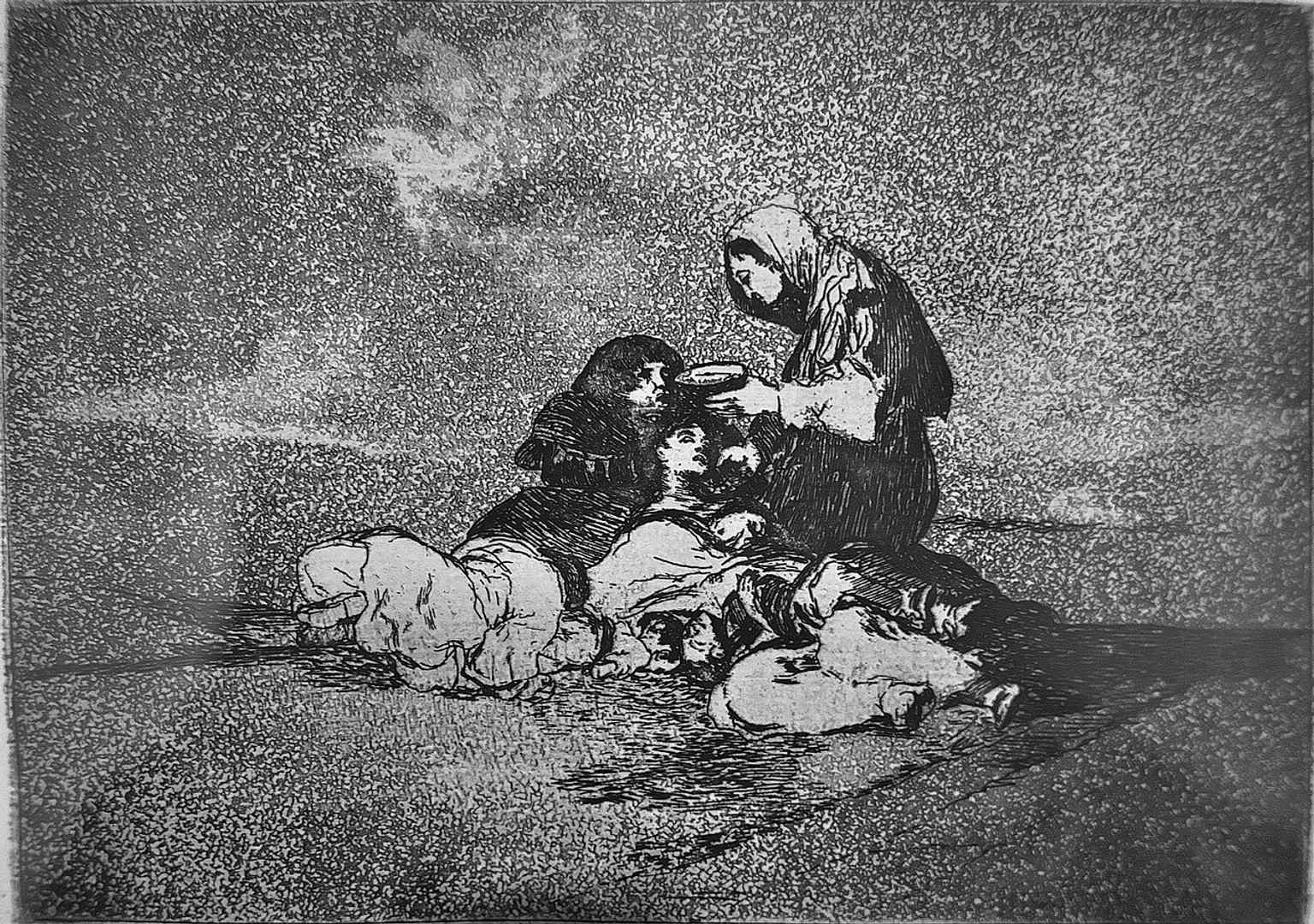
A bleak plate from The Disasters of War, showing the human suffering that made Goya central to Prado's modern identity.
A bleak plate from The Disasters of War, showing the human suffering that made Goya central to Prado's modern identity.Photo: Jl FilpoC, Wikimedia Commons, CC BY-SA 4.0. Cropped & resized.
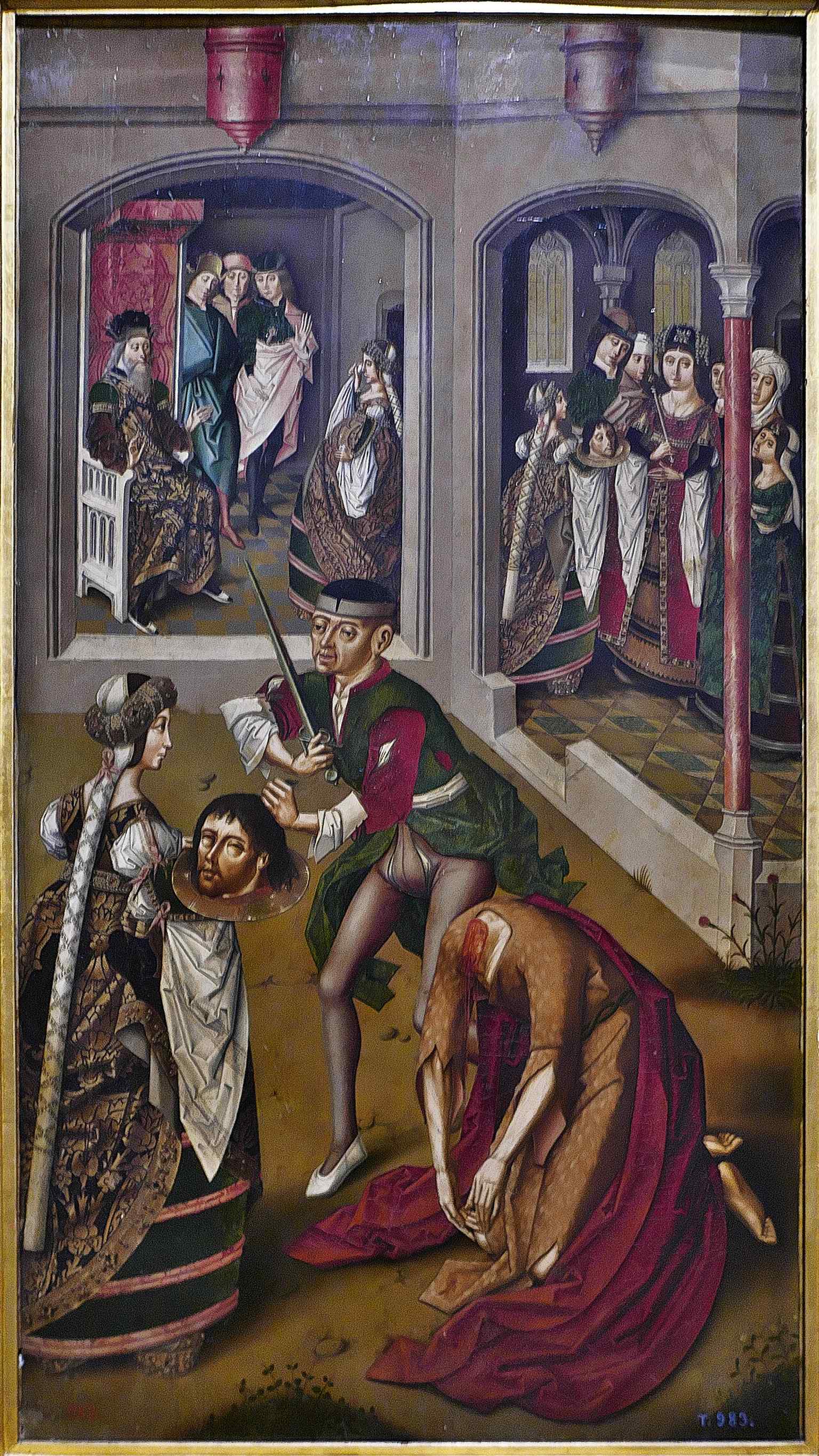
A late-medieval panel from the Miraflores altarpiece, illustrating the religious painting tradition strengthened by the Museum of the Trinity.
A late-medieval panel from the Miraflores altarpiece, illustrating the religious painting tradition strengthened by the Museum of the Trinity.Photo: Jl FilpoC, Wikimedia Commons, CC BY-SA 4.0. Cropped & resized.
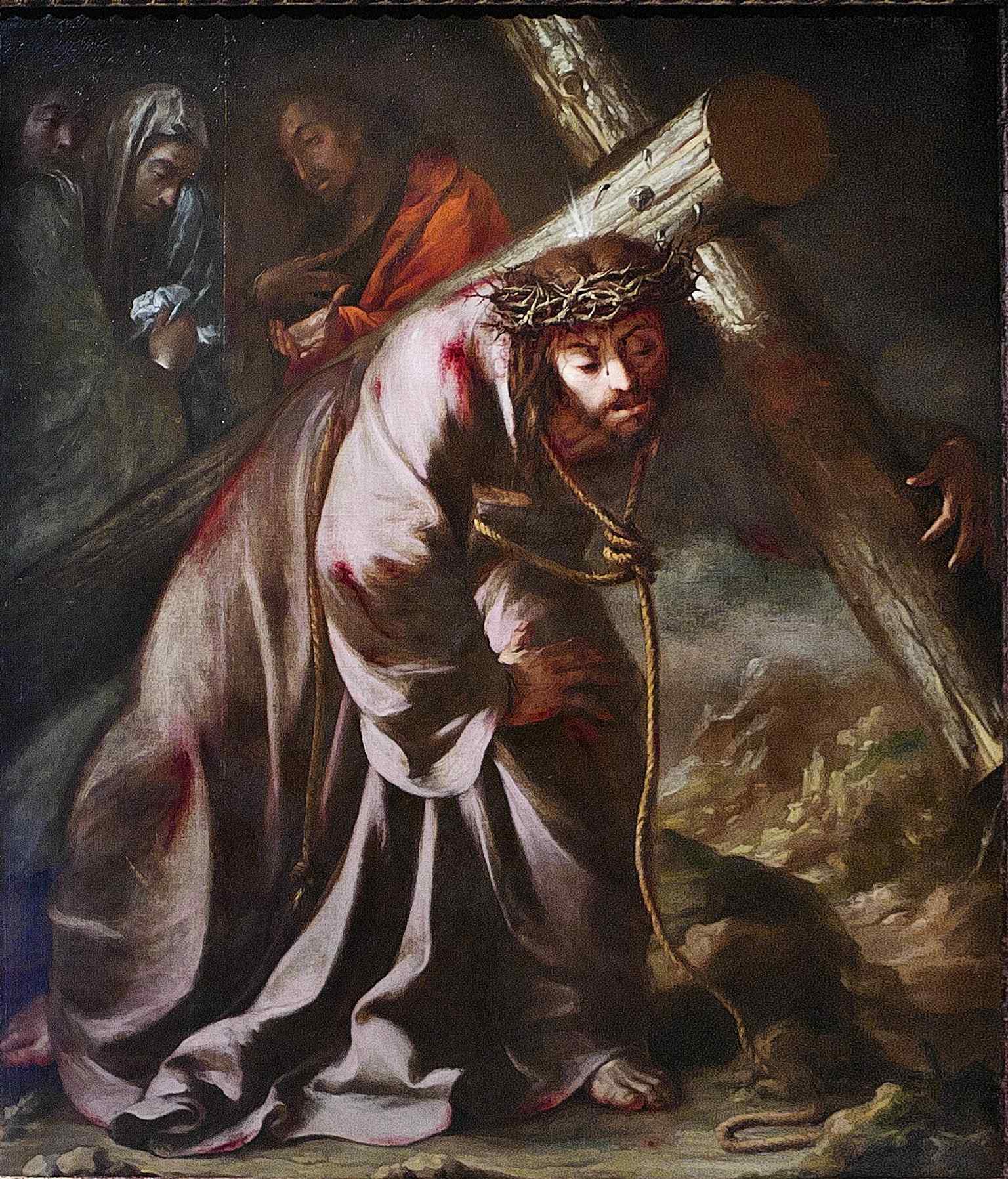
Juan de Valdés Leal's dramatic Christ on the Way to Calvary is a powerful example of Spain's Baroque religious painting.
Juan de Valdés Leal's dramatic Christ on the Way to Calvary is a powerful example of Spain's Baroque religious painting.Photo: Jl FilpoC, Wikimedia Commons, CC BY-SA 4.0. Cropped & resized.
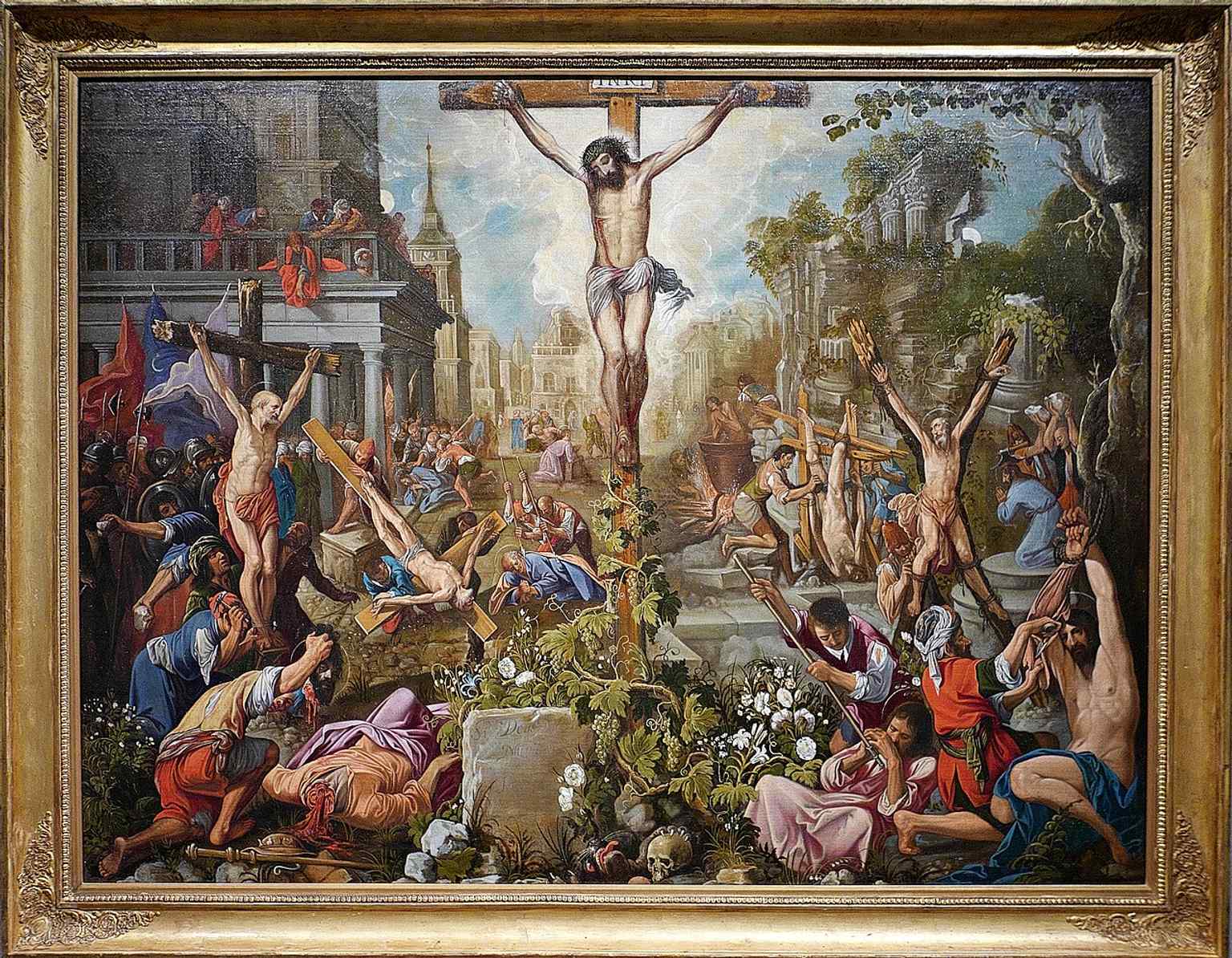
This martyrdom scene recalls the devout large-scale paintings that entered the Prado through the dissolved Museo de la Trinidad.
This martyrdom scene recalls the devout large-scale paintings that entered the Prado through the dissolved Museo de la Trinidad.Photo: Jl FilpoC, Wikimedia Commons, CC BY-SA 4.0. Cropped & resized.
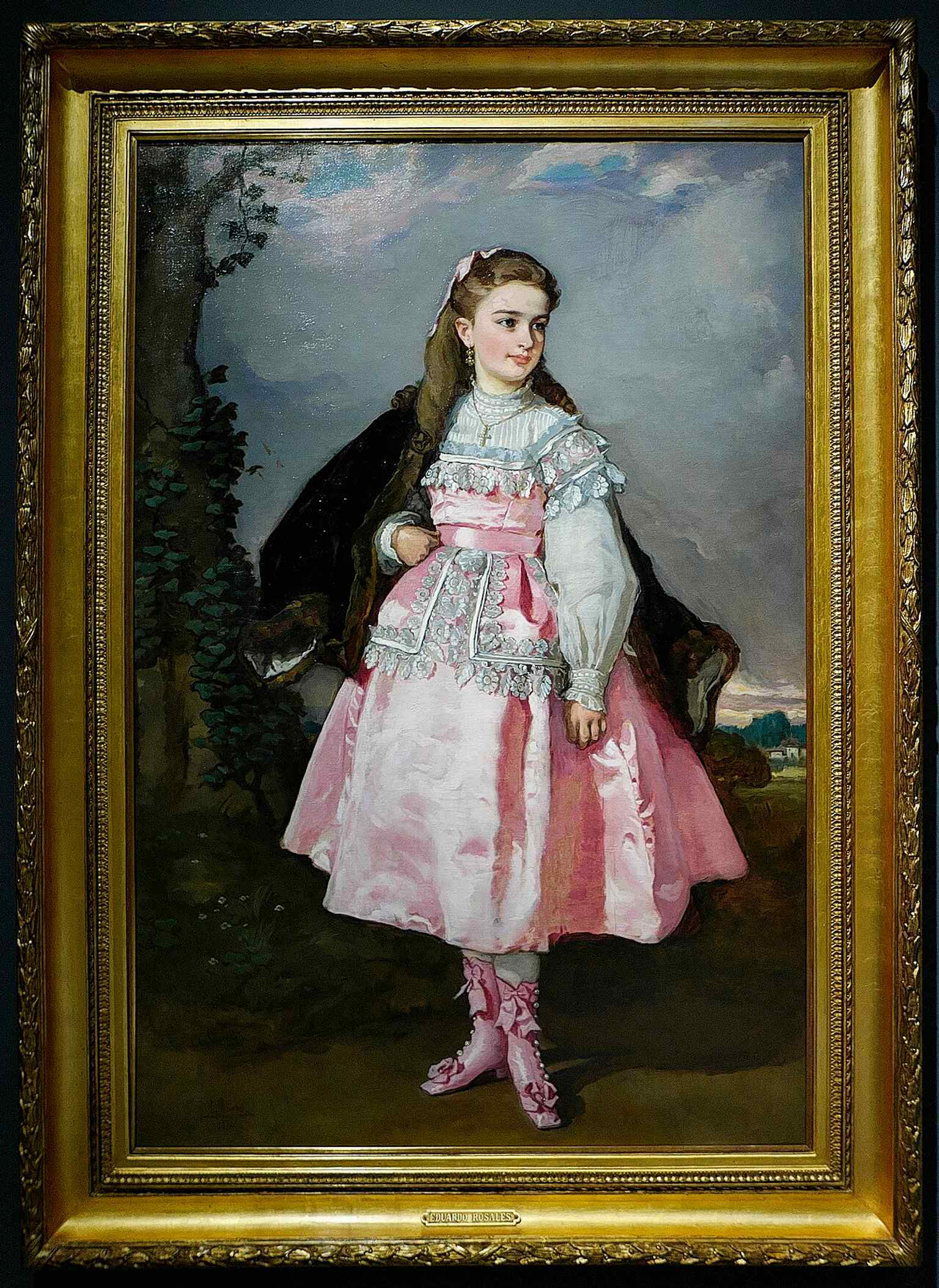
Sorolla's portrait of Concepción Serrano shows how the Prado later expanded into 19th-century Spanish painting.
Sorolla's portrait of Concepción Serrano shows how the Prado later expanded into 19th-century Spanish painting.Photo: Eduardo Rosales, Wikimedia Commons, Public domain. Cropped & resized.
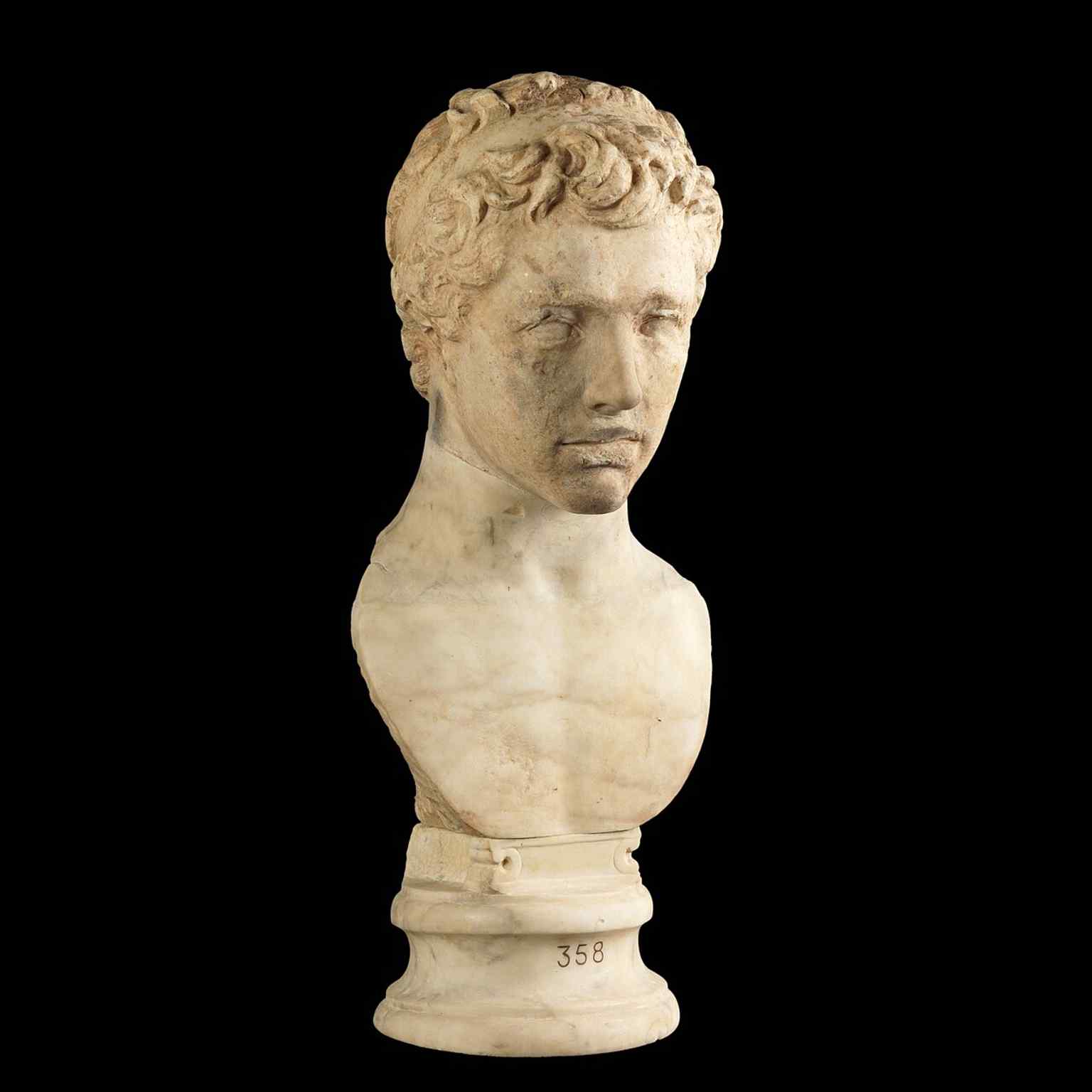
A Roman imperial bust from the sculpture collection, echoing the Prado's roots in royal antiquities and classical art.
A Roman imperial bust from the sculpture collection, echoing the Prado's roots in royal antiquities and classical art.Photo: Taller romano, Wikimedia Commons, CC0. Cropped & resized.
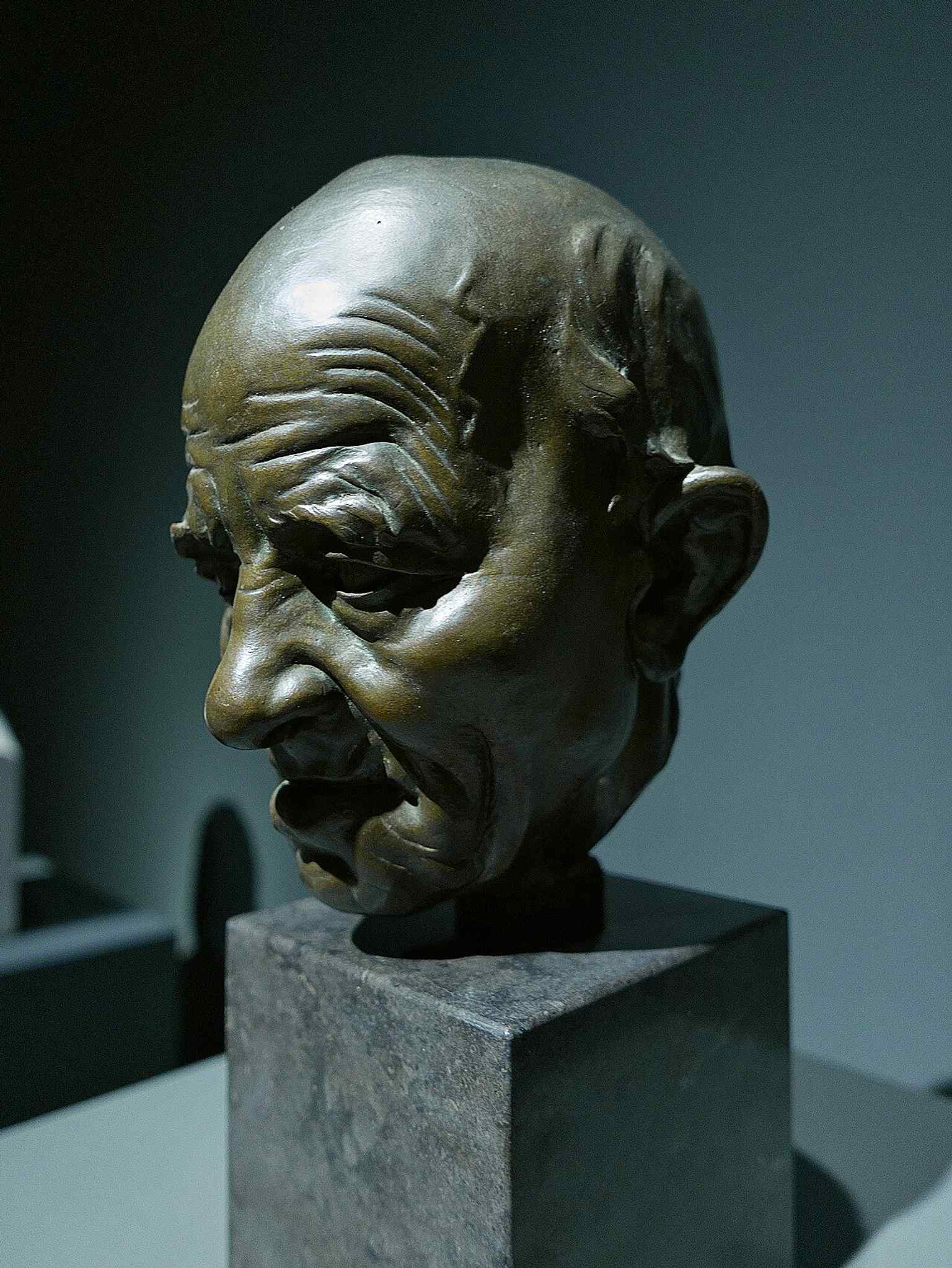
A close-up bronze head from the sculpture holdings, highlighting the Prado's often overlooked three-dimensional collections.
A close-up bronze head from the sculpture holdings, highlighting the Prado's often overlooked three-dimensional collections.Photo: Manuel Iglesias Recio, Wikimedia Commons, Public domain. Cropped & resized.
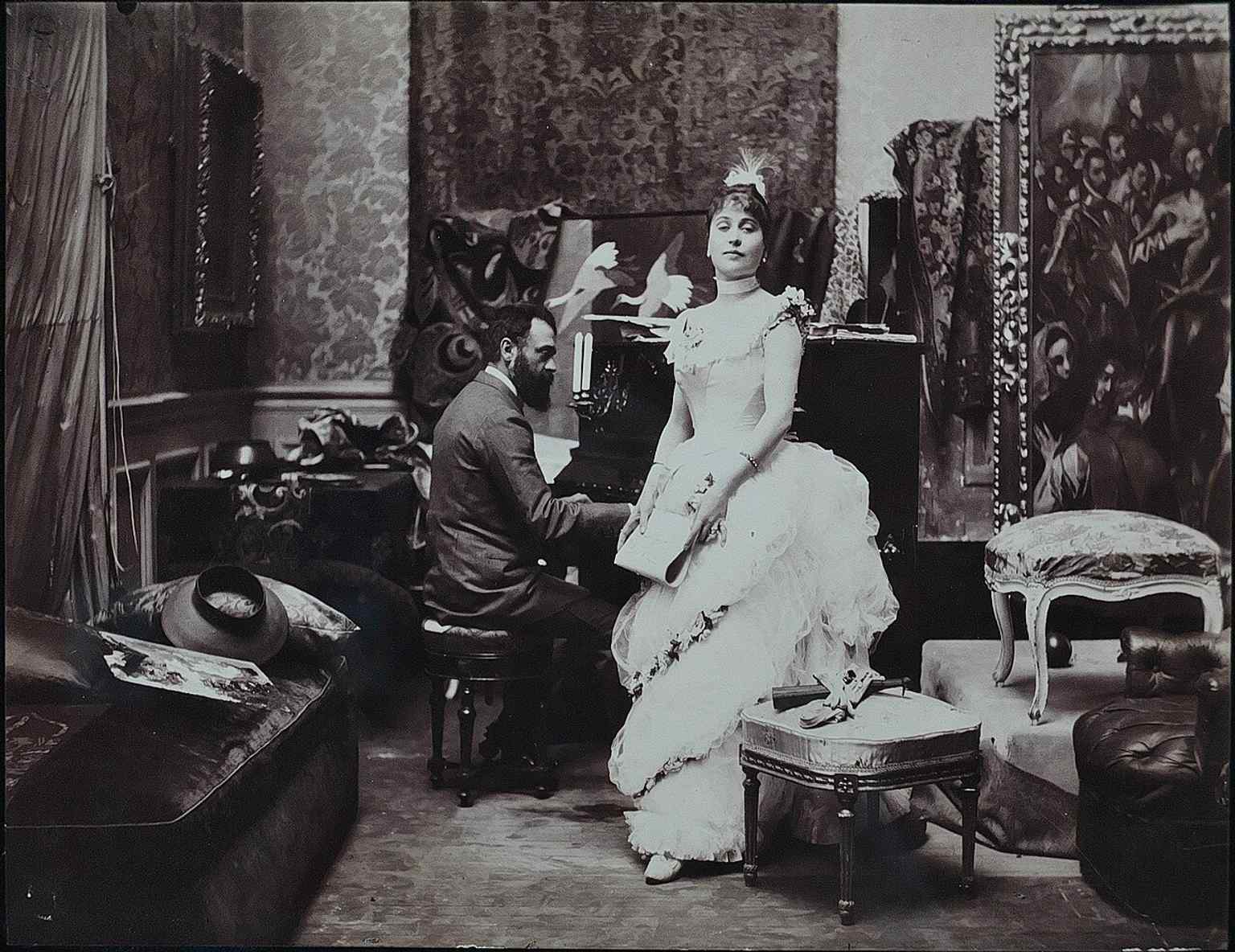
A historic studio photograph from the museum archive, evoking the Prado as a working place for artists and copists.
A historic studio photograph from the museum archive, evoking the Prado as a working place for artists and copists.Photo: Conde de Chaumont-Quitry, Wikimedia Commons, Public domain. Cropped & resized.
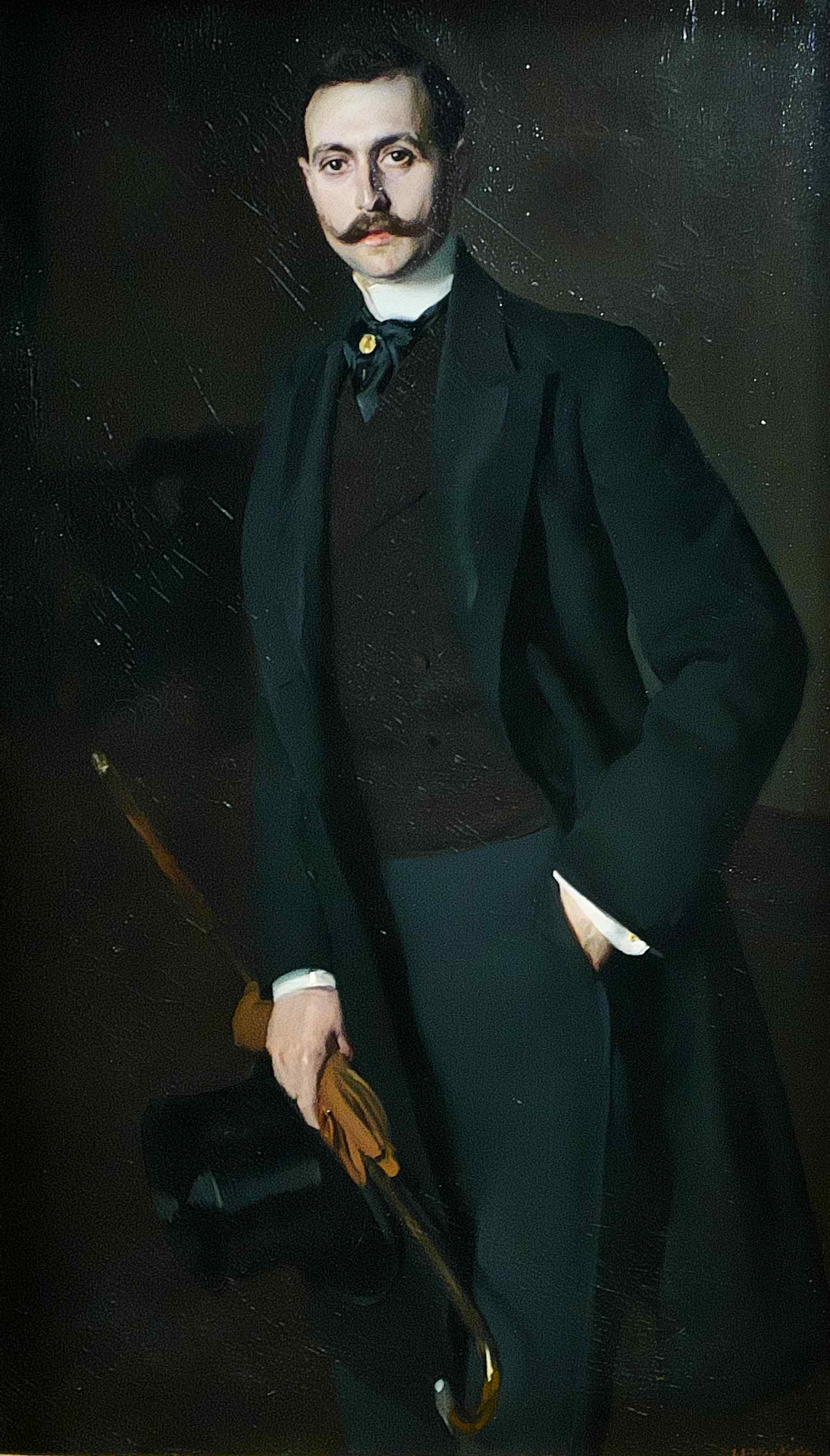
Sorolla's portrait of Aureliano de Beruete links the museum to one of its key modern directors and advocates.
Sorolla's portrait of Aureliano de Beruete links the museum to one of its key modern directors and advocates.Photo: Joaquín Sorolla, Wikimedia Commons, Public domain. Cropped & resized.
arrow_back Back to Madrid Audio Tour: Historic Center Gems
Loved by travellers

Thousands of tours started.
Plenty of opinions.

4.8 across the App Store and Google Play. Here's a few we keep coming back to.

starstarstarstarstar
This was a solid way to get to know Brighton without feeling like a tourist. The narration had depth and context, but didn't overdo it.
Christoph
Christoph
Brighton Tour
starstarstarstarstar
Started this tour with a croissant in one hand and zero expectations. The app just vibes with you, no pressure, just you, your headphones, and some cool stories.
download Get the app

Pop your headphones in.
Step outside.

Free to download. Tours in every city. Start in 60 seconds — no account, no card.

Download on the App StoreGet it on Google Play
starstarstarstarstar_half
4.8
AudaTours app icon
headphones
~ 4 min until your first tour starts
public
1,000+ cities worldwide
all_inclusive
AudaTours
Unlimited

Every tour. Every city. One subscription.

3097 tours2273 cities138 countries50+ languages