
On your right, the Dallas Museum of Art presents itself with a kind of civic calm... broad, modern, self-assured, and very much aware that it belongs in the middle of downtown. Not bad for an institution that began as a library side project.
The story starts in nineteen oh three, when Texas artist Frank Reaugh looked at the Dallas Public Library and saw empty walls doing nothing useful. May Dickson Exall, the library’s first president, pushed that idea into a mission. She wanted exhibitions, lectures, a permanent collection, support for local artists, and public backing for the arts. Early members of the Dallas Art Association paid five dollars a year for access to shows and talks... roughly one hundred and seventy dollars in today’s money. It was grassroots, a little earnest, and exactly how big civic institutions often begin: with a committee, a membership list, and a stubborn belief that culture should count.
This is where Dallas cultural patrons first come into view. Not just wealthy donors with their names on walls, but organizers, members, advocates, and families who kept building the city’s museum culture one meeting, one gift, one campaign at a time.
The association’s first four artworks entered the collection while it still lived inside the library. Then growth forced a move. In nineteen thirty-six, after the museum had taken the name Dallas Museum of Fine Arts, it relocated to an Art Deco building in Fair Park for the Texas Centennial Exposition. That might have been enough for many cities. Dallas, naturally, treated it as a draft.
The turning point came with Jerry Bywaters, an artist and Southern Methodist University professor who took over in nineteen forty-three and stayed for twenty-one years. He bought Impressionist, abstract, and contemporary work, but he also insisted Texas artists belonged in the same conversation. And here’s the wrinkle that keeps this place from becoming too tidy a success story: in the nineteen fifties, local critics tried to purge the museum of so-called communist art, and Pablo Picasso was banned. So yes, even a museum can become a civic argument with better lighting.
By the late nineteen seventies, the collection and exhibition program had outgrown Fair Park. Harry Parker led the move here, to the Arts District, and architect Edward Larrabee Barnes, working with John M-Y Lee Associates, gave Dallas this building. It opened in stages, with staff arriving before the formal opening in January of nineteen eighty-four. That detail matters. The museum did not simply appear fully formed. It assembled itself, piece by piece, the way cities do.
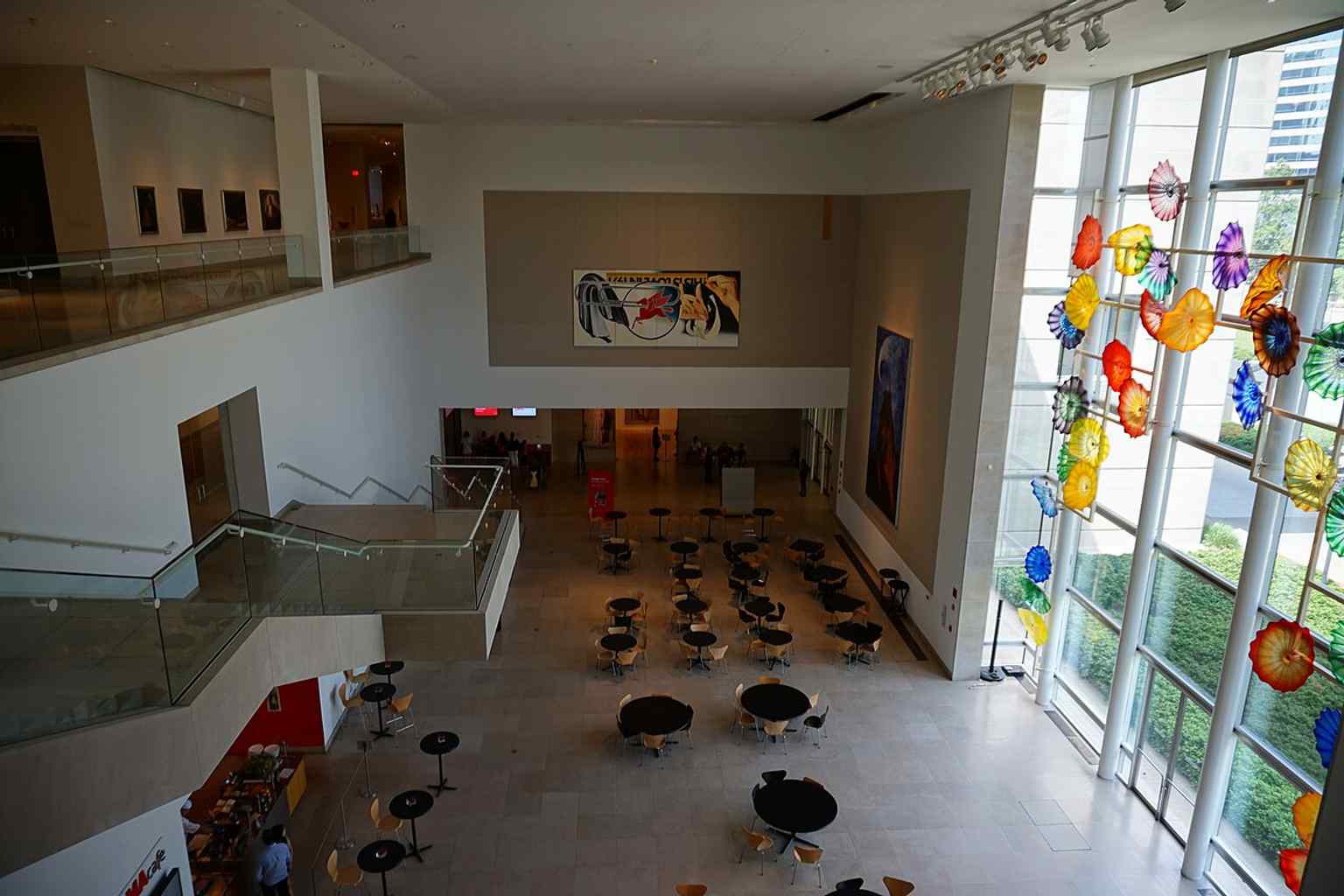
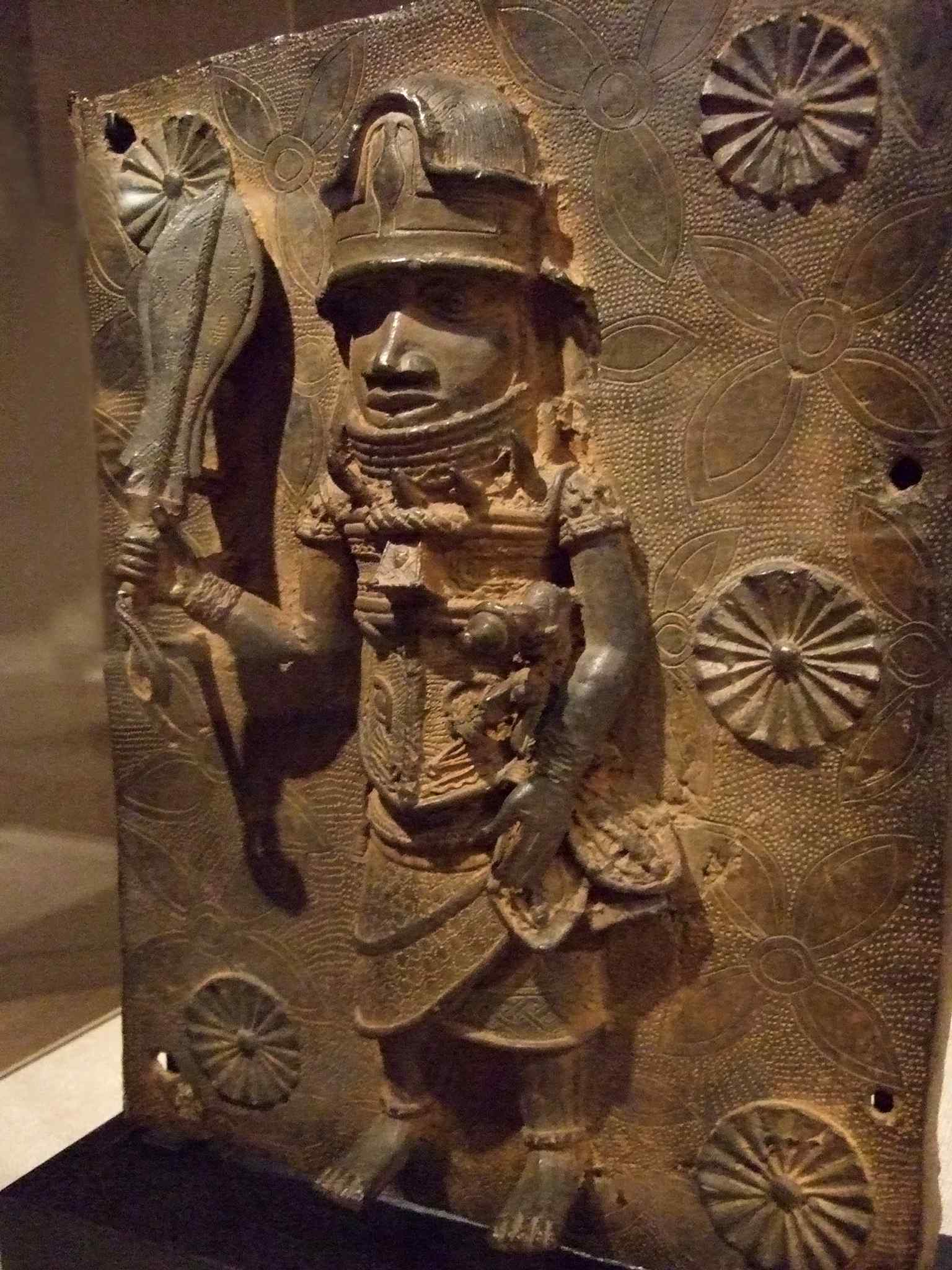
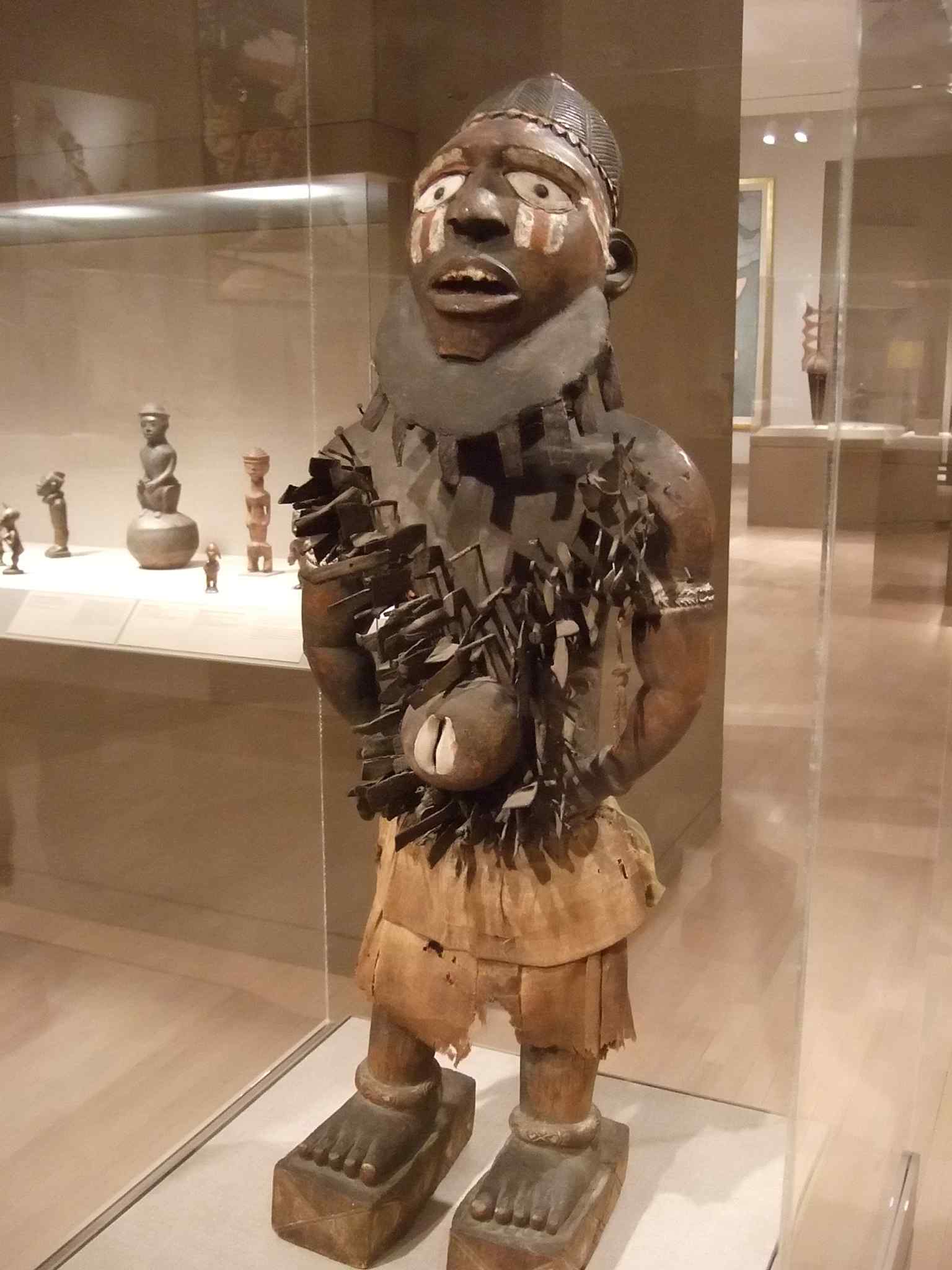
Inside are more than twenty-four thousand objects, stretching from the third millennium B-C to the present. If you glance at your screen, you can see Frederic Edwin Church’s The Icebergs, a painting once considered a lost masterpiece before it landed here. And if you check the gallery image, you get a feel for the museum’s scale as exhibition space, not just storage for treasures.
The Mildred R. and Frederick M. Mayer Library holds more than fifty thousand research volumes, and the education wing grew into hands-on spaces like the Center for Creative Connections, with studios, a theater, a tech lab, and even a nest for very young children. In other words, Dallas didn’t just want a vault of great objects. It wanted a public machine for learning.
From here, we move toward a different kind of art story... less civic campaign, more personal collecting legacy, at the Crow Museum of Asian Art. If you plan to go inside later, the museum is usually open Wednesday through Sunday from eleven to five.






%20people%20mid%2016th-17th%20century%20CE%20Cast%20copper%20allow%20with%20laterite%20encrustation%20Dallas%20Museum%20of%20Art.jpg)
%20Kongo%20Peoples%20Africa%2019th%20century%20CE%20Dallas%20Museum%20of%20Art.jpg)
