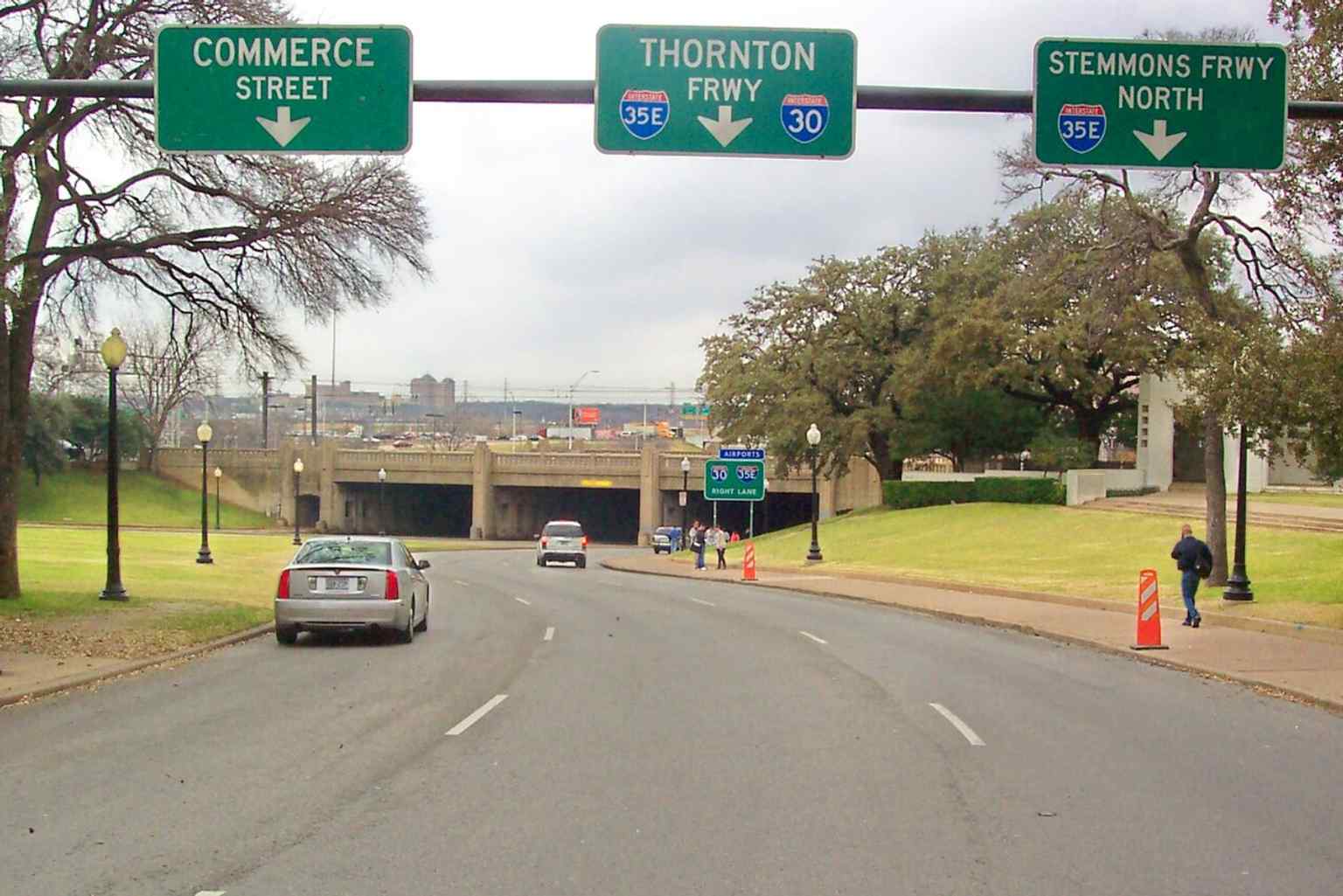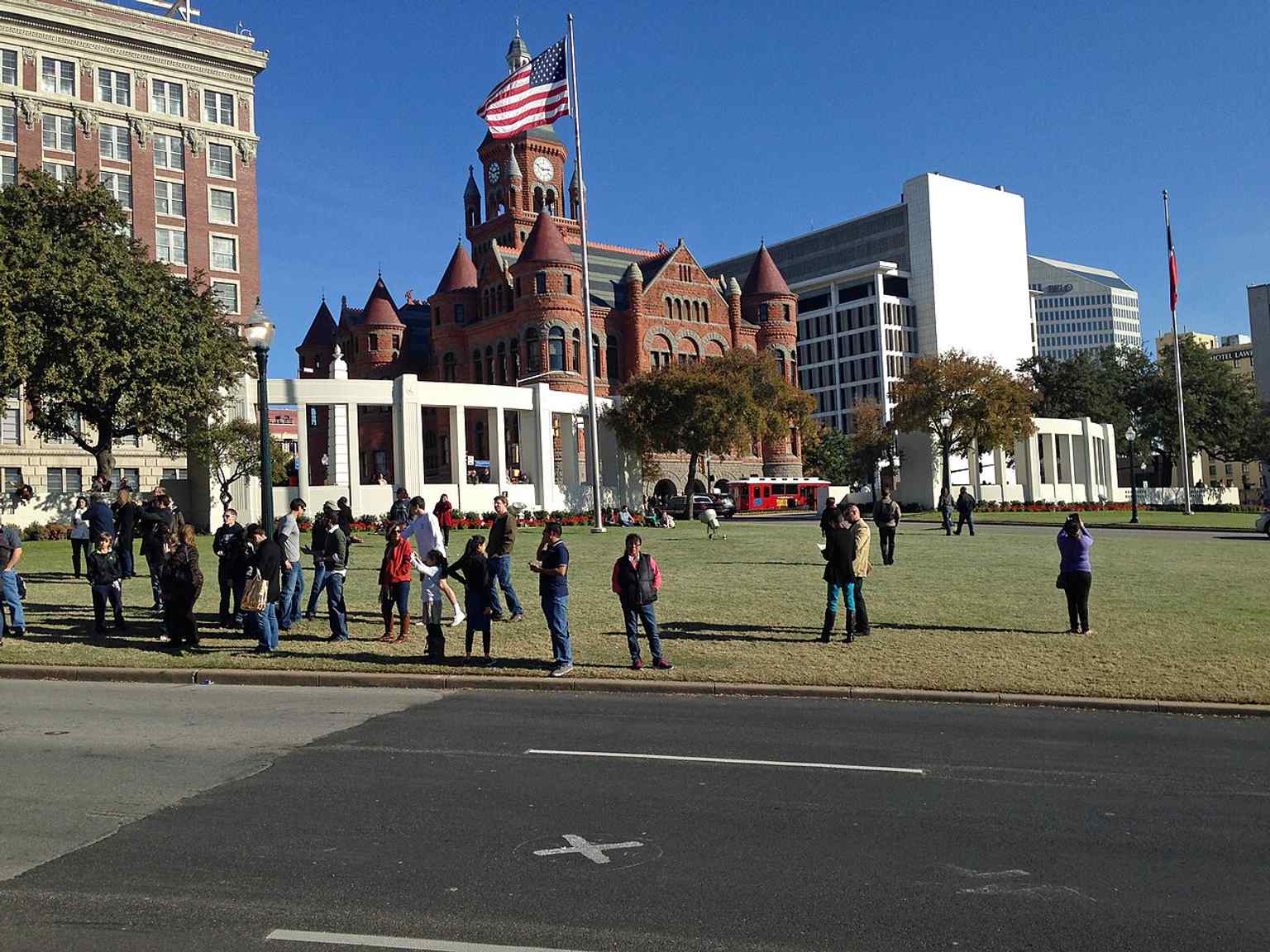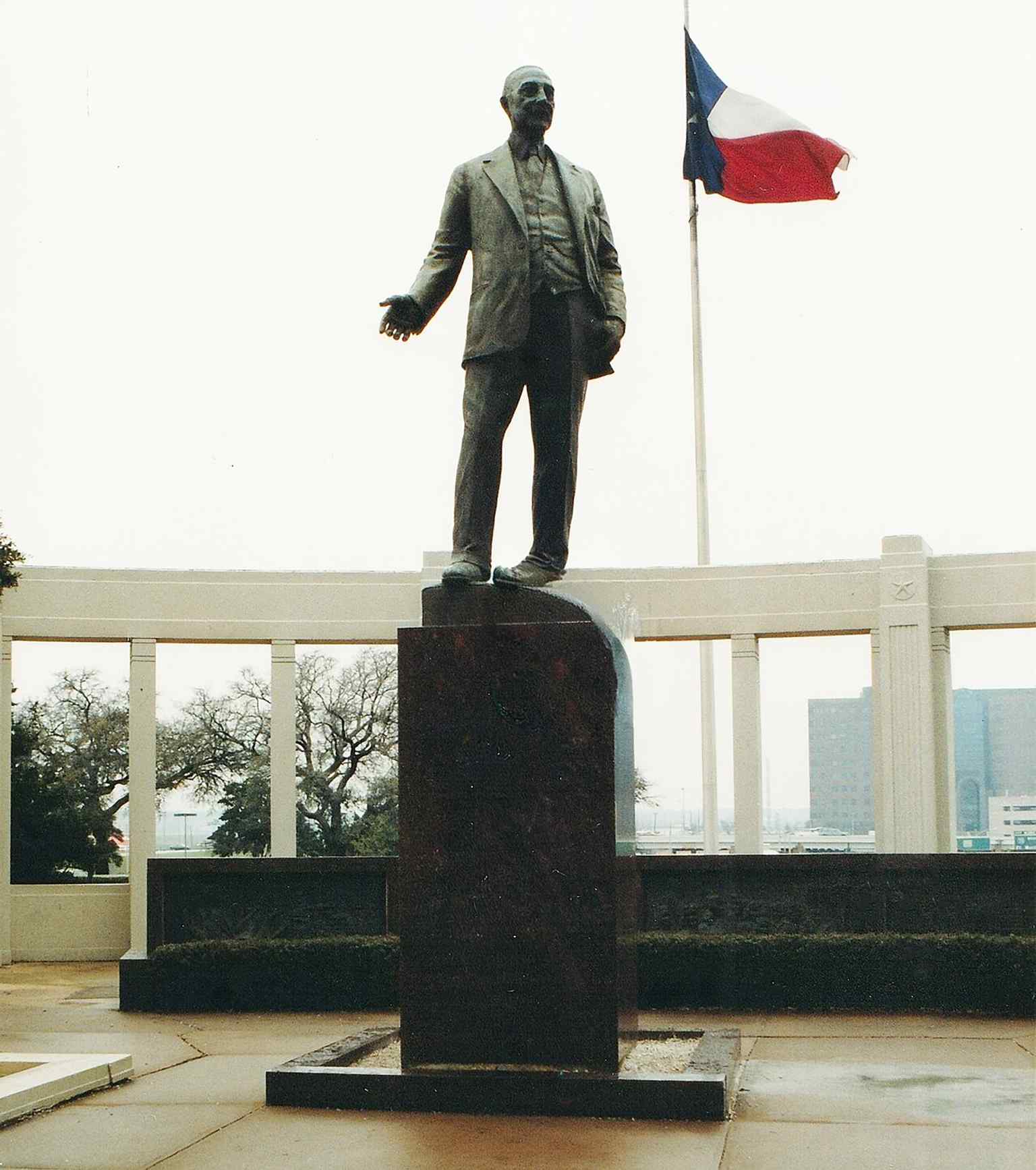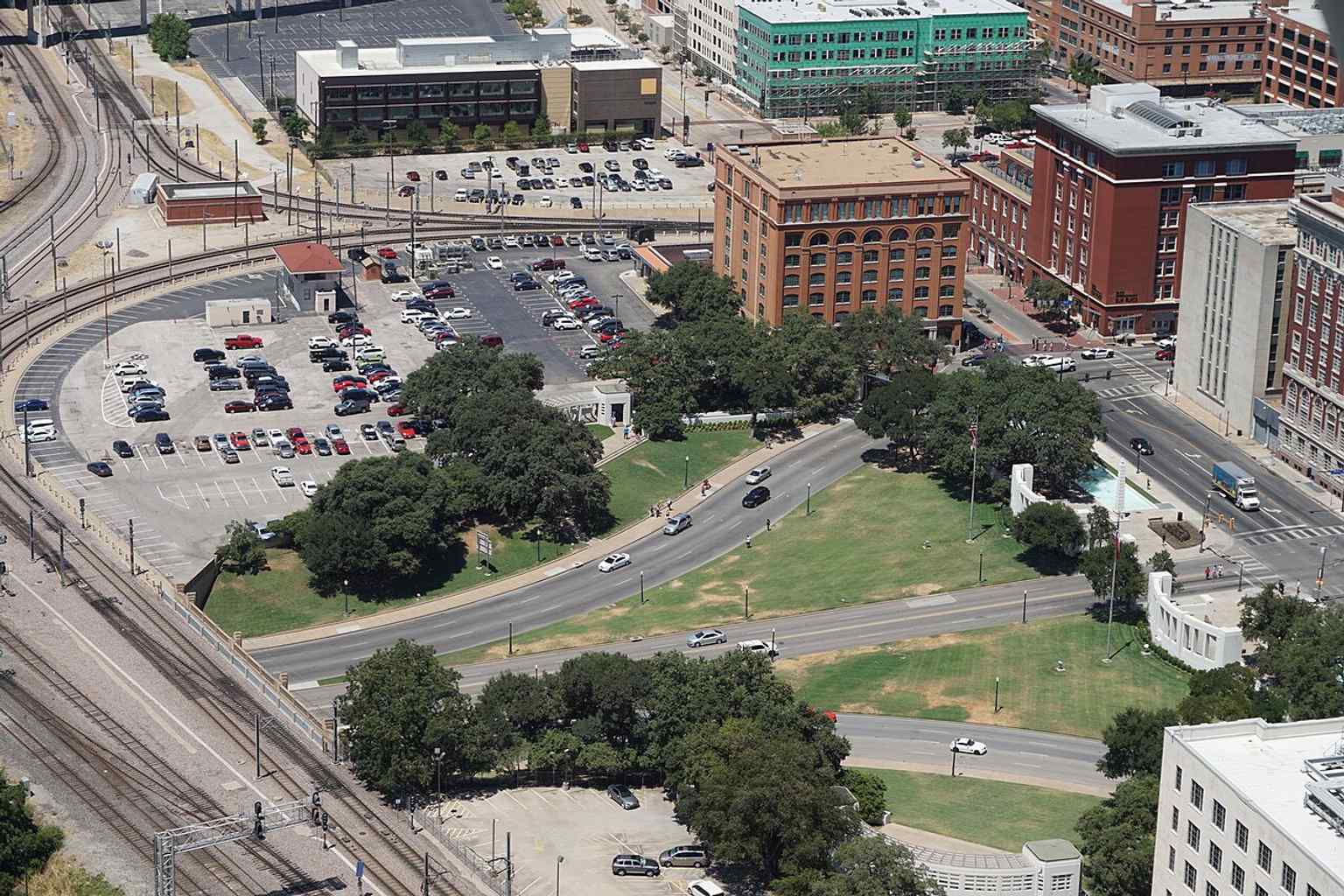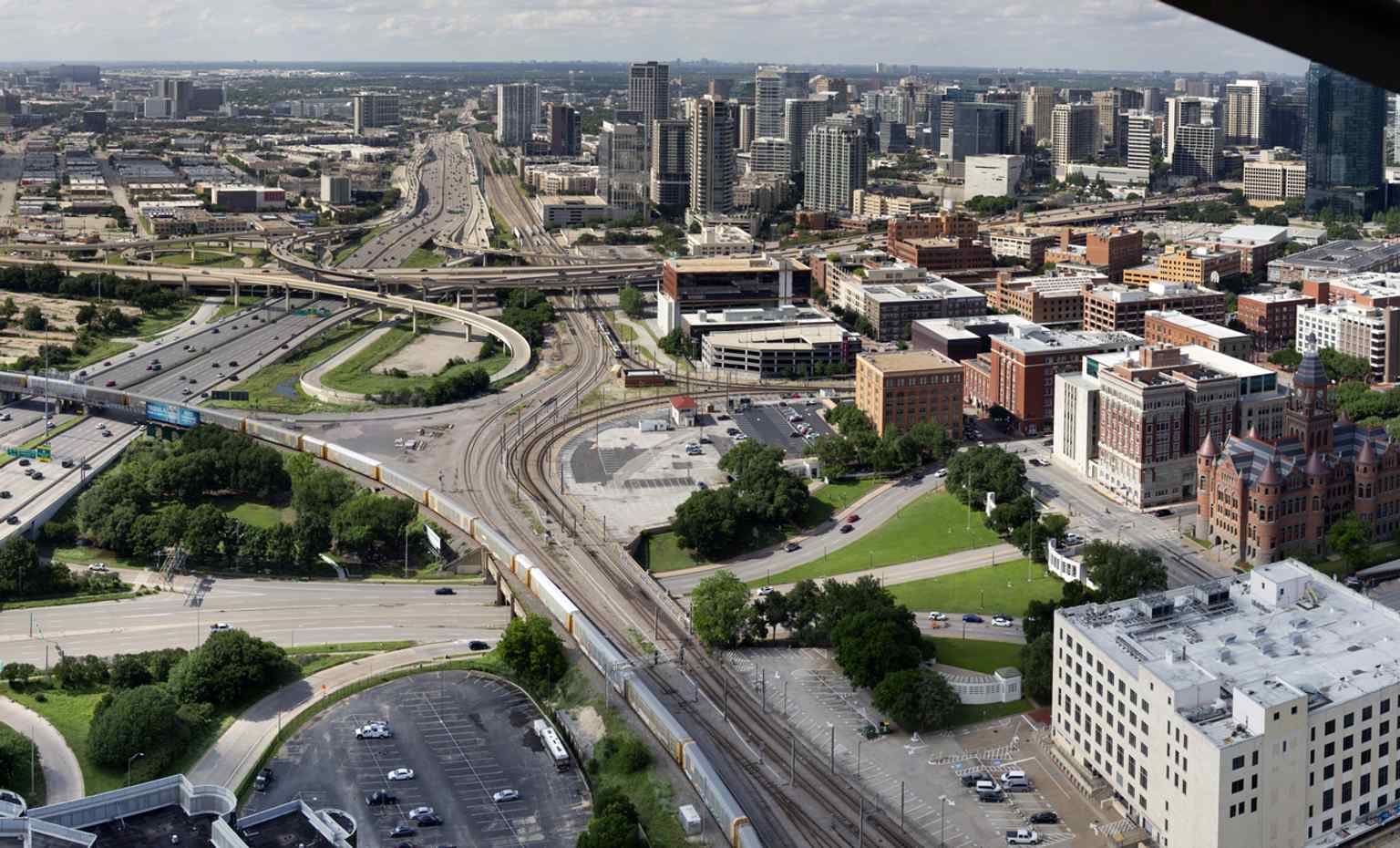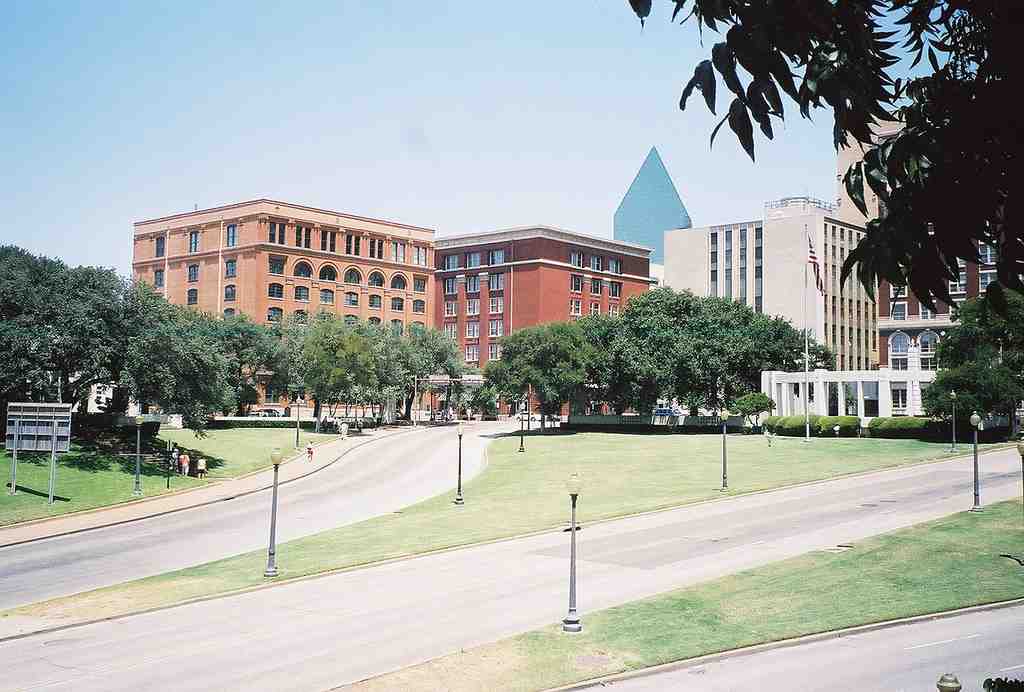
On your left, Dealey Plaza opens as a formal wedge of pale concrete pergolas, long reflecting pools, and a broad railroad underpass, with a red-granite monument punctuating the scene.
This ground began as Dallas’s first foothold. Sarah Horton Cockrell, a formidable businesswoman who controlled huge pieces of early Dallas real estate, helped make this tract available; the town’s first home stood here, and it also served as the first courthouse, post office, store, and fraternal lodge. So before this became a place of mourning, it was where Dallas first tried being Dallas.
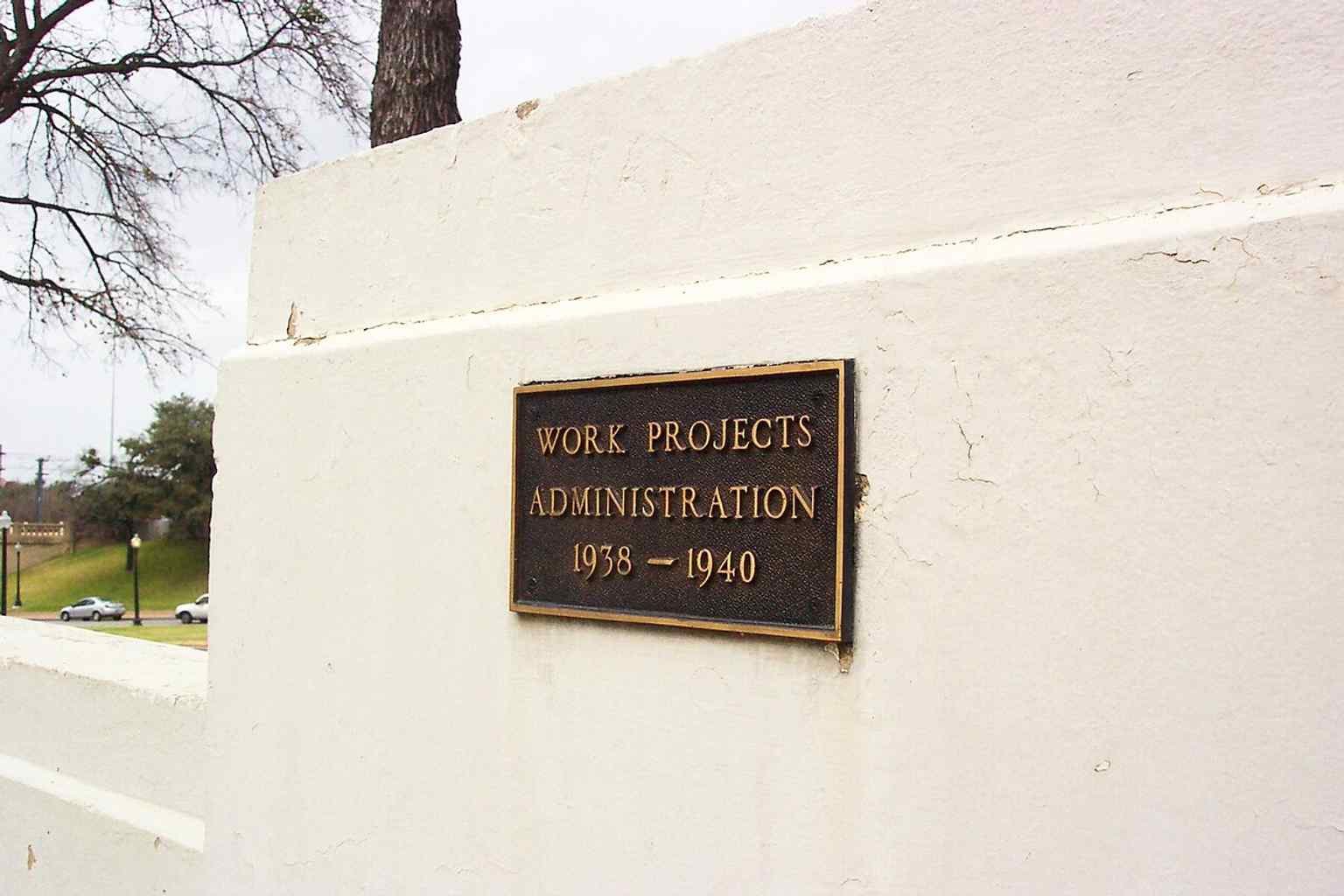
In the nineteen thirties, engineers regraded the land, shifted the streets, and built this as a western gateway to downtown, partly to untangle congestion around the rail lines. The Works Progress Administration, or W-P-A, finished the plaza and triple underpass in nineteen forty. George Bannerman Dealey, the newspaper publisher and civic reformer who pushed city planning and river improvements for decades, got the plaza named for him while he was still alive... efficient, if not exactly modest.
Dallas has a habit of preserving places by changing the frame around them. Here, a traffic solution became a civic monument. Later, when history turned unbearable, the city preserved the scene by reinterpreting it rather than erasing it.
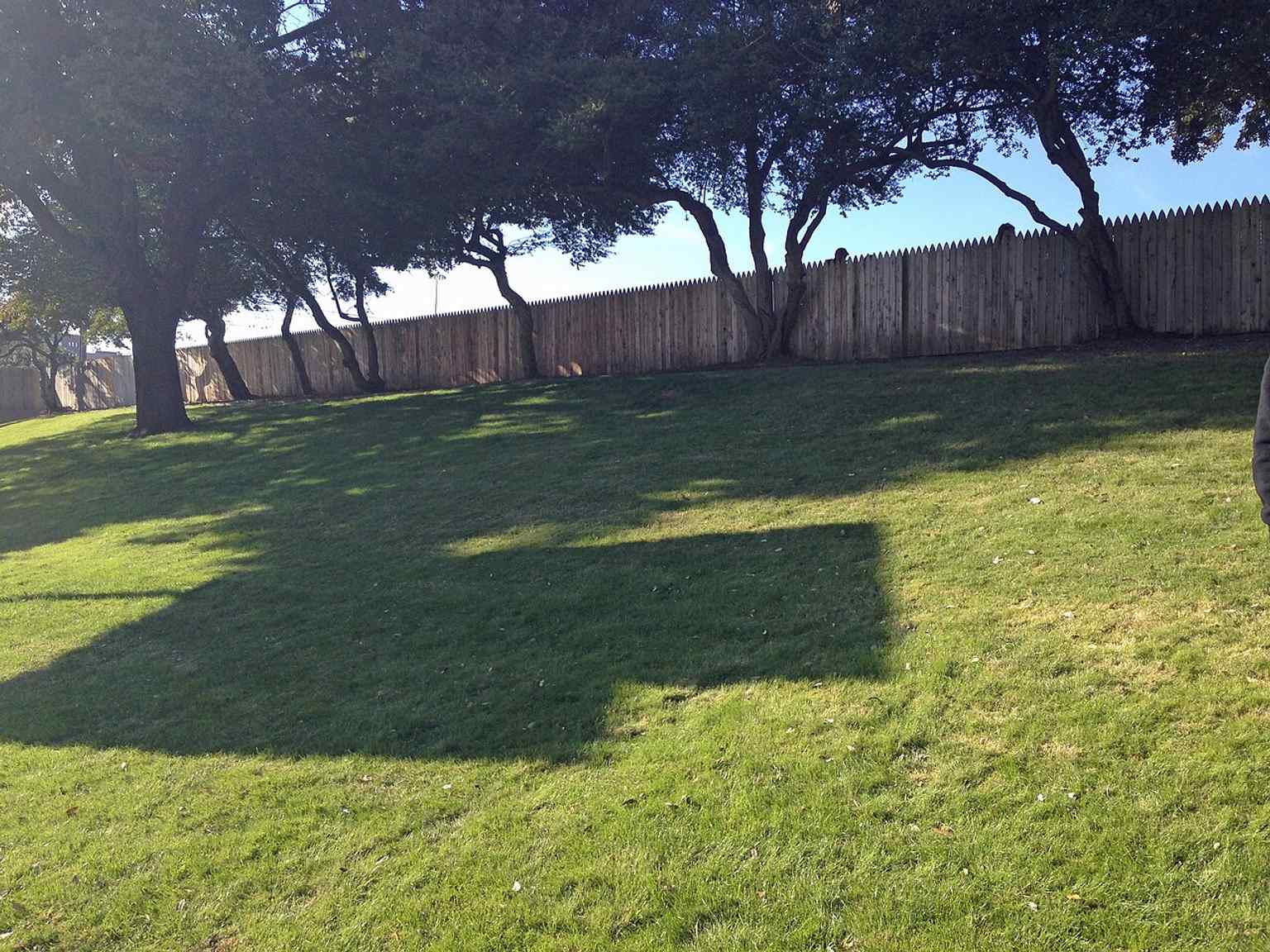
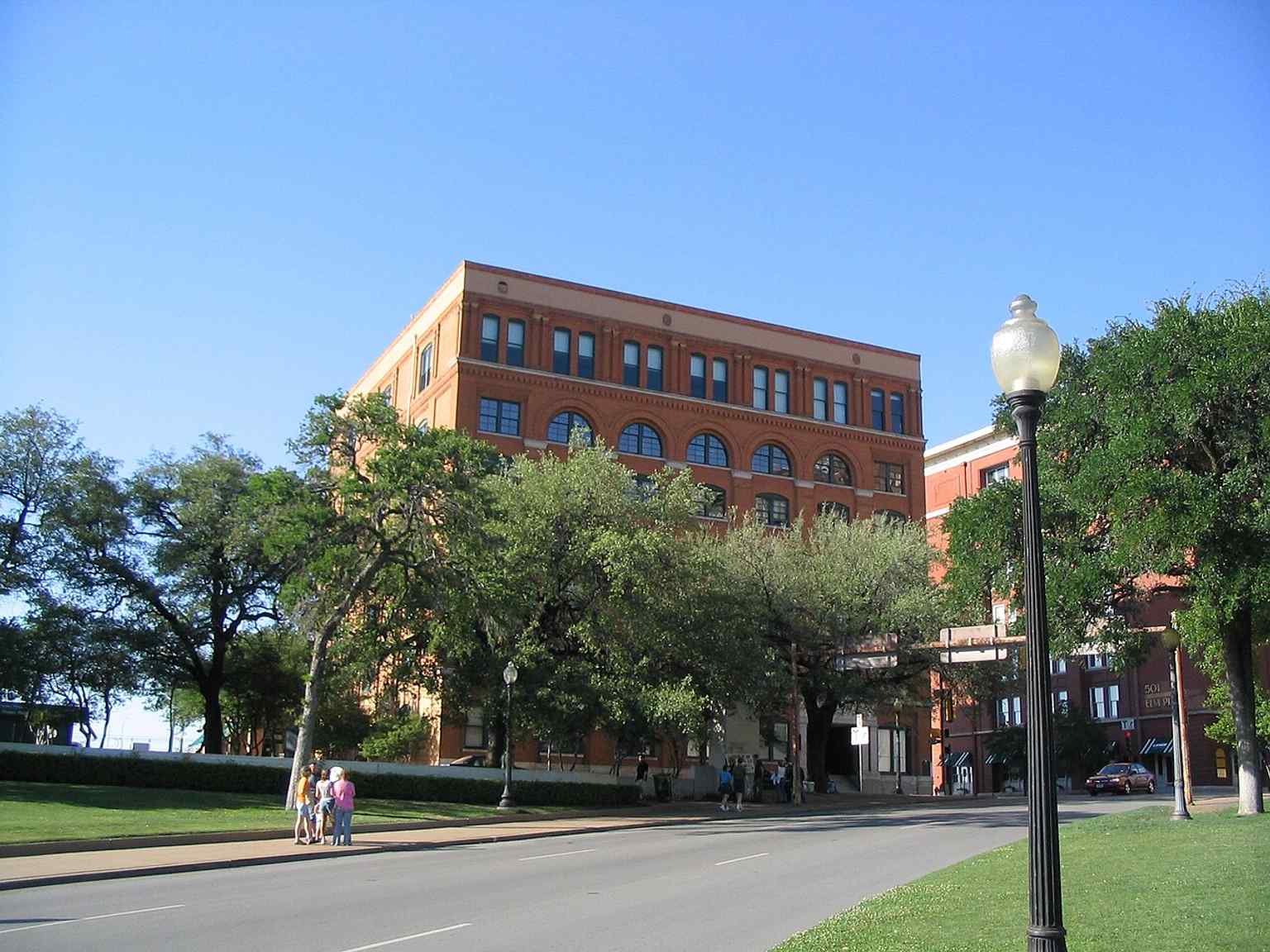
And then came the twenty-second of November, nineteen sixty-three. From the former Texas School Book Depository’s sixth-floor southeast corner, both the Warren Commission and the House Select Committee on Assassinations concluded Lee Harvey Oswald fired the shot that killed President Kennedy. On Elm Street, a small white X usually marks the approximate spot. On the rise to the northwest, the grassy knoll entered the national vocabulary within minutes, thanks to reporter Albert Merriman Smith. If you look at the image of the Depository on your screen, its plain warehouse face is almost the point: history does not always announce itself with grandeur.
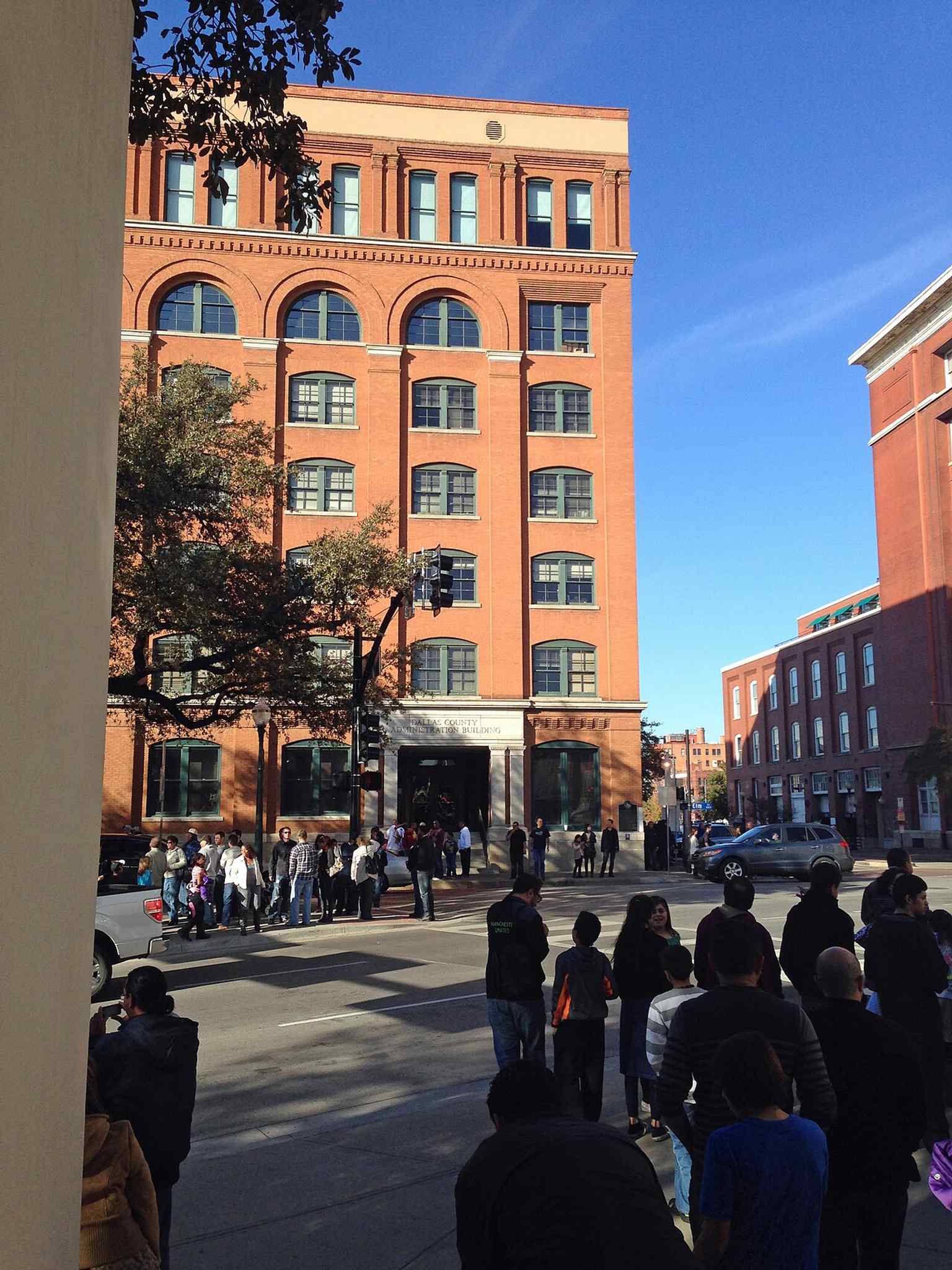
Most tourists focus on the shot, but locals will tell you the district matters because the setting survived. Since nineteen ninety-three, the National Historic Landmark designation has protected not just this park, but the surrounding buildings, streets, and sight lines tied to witness accounts and the assassination itself. That wider frame keeps this from becoming a disconnected relic.
If you want a quick sense of how the place shifted from working streets to carefully interpreted landscape, check the before-and-after image in the app.
Even now, the balance is uneasy. In twenty thirteen, crews removed the white X during repaving, and the backlash was immediate. Around here, even road paint can start a fight about grief, tourism, and conspiracy.
So here’s the hard question this plaza leaves hanging: when a city block becomes world history, can it ever return to being just another part of downtown?
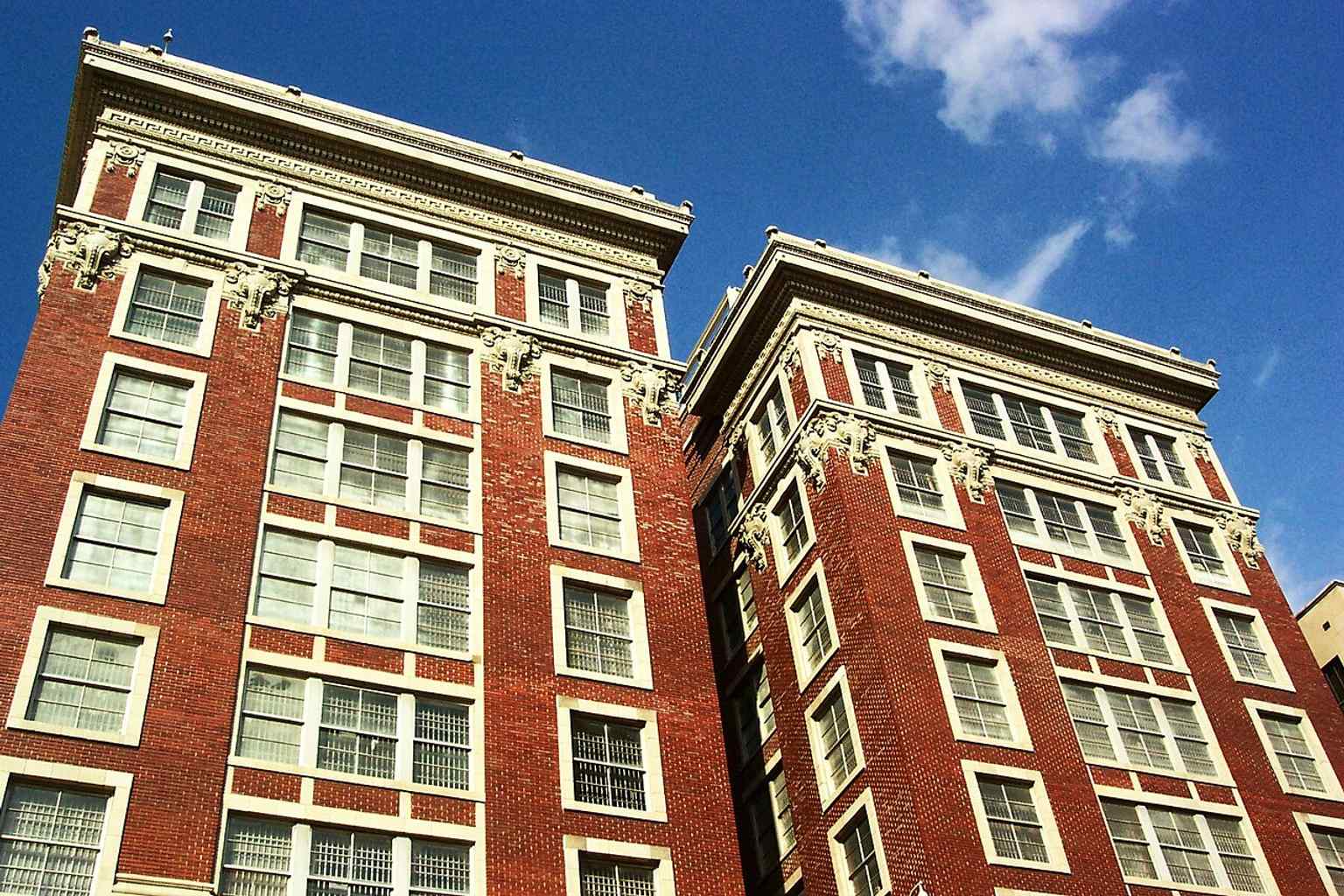
Next, head toward the Dallas County Courthouse, about a four-minute walk away, where the civic machinery around this plaza comes into sharper view. If you want to linger, the plaza is open daily from six in the morning to eleven at night.