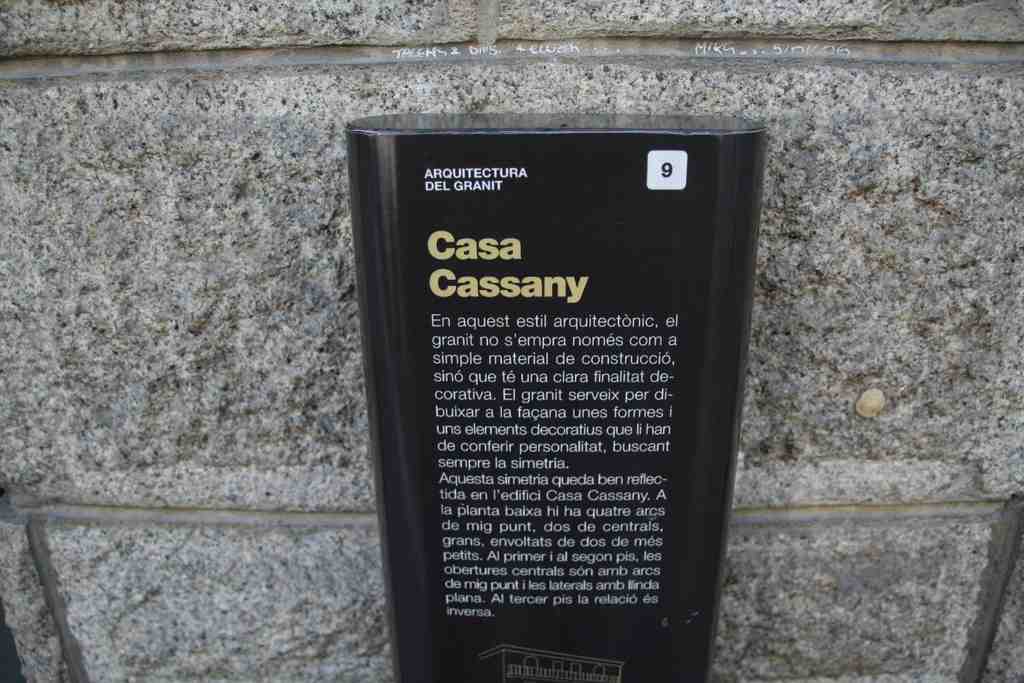
Look for the granite street façade: a tall, narrow front with rows of rectangular windows and a preserved stone face that stands a little like a mask in front of the newer structure behind it.
This is Hotel Bellavista... or, more precisely, what survives of it. Joan Pujal, better known locally as Pageset, commissioned it between nineteen thirty-eight and nineteen forty, and that nickname matters. He was not some distant company man; he was a local builder-owner, which gives the whole place a family-business heartbeat.
Most people see a tidy heritage building. The paperwork tells a scrappier story. Construction came in fits and starts, and Pageset had to keep securing permission for more material just to keep the job moving, including a second shipment of timber from the Quart d'Andorra in March of nineteen forty. That is Andorra la Vella growing up in real time: not one grand leap, but a lot of practical patching and pushing.
And here is the twist. Bellavista entertained people before it really settled into hotel life. It had an early cinema already operating before the nineteen forties, and the cinema behind this façade still carries that thread forward. If you glance at the image on your screen, you can see that preserved street front doing its old job as a public face.
Inside, the ground floor first held the restaurant, reception, and kitchen. Later it turned into a toy shop, then fast food. By the nineteen nineties the hotel had faded out. In two thousand and four, workers demolished the rest and kept only this protected façade. Next, in about seven minutes, we head to the National Archives, where a place like this survives in paper as much as stone.