
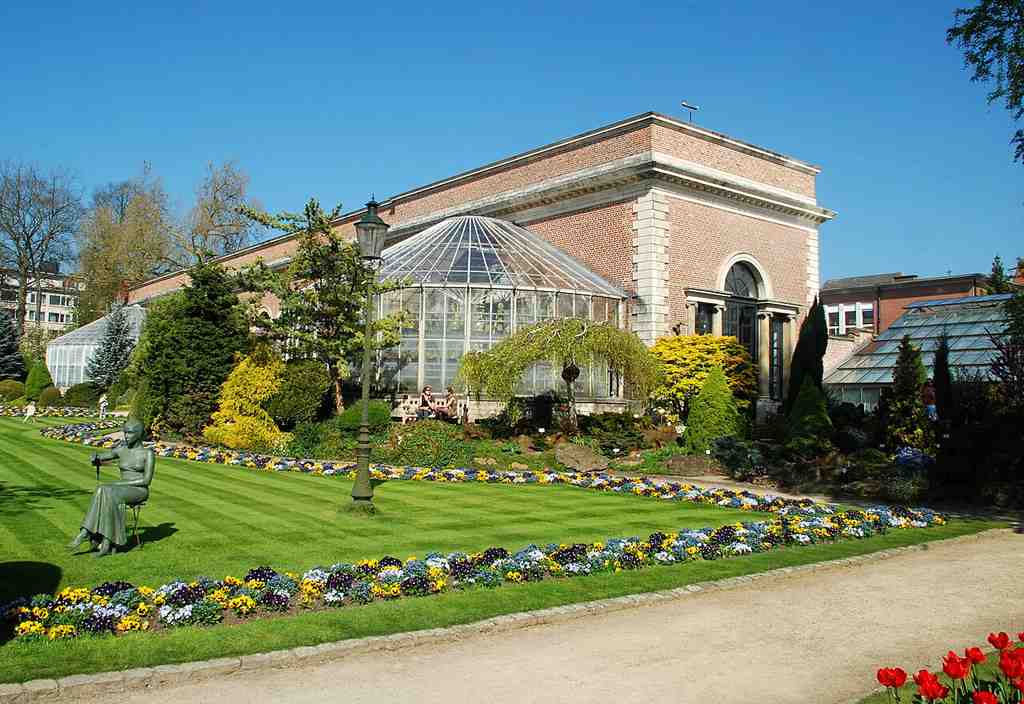
In front of you stands a low neoclassical entrance pavilion of red brick and white limestone, with a broad arched doorway and a stone triangle above it marked Kruidtuin.
This place tells one of Leuven’s quieter truths: learning here never lived in books alone. Sometimes it needed roots, sap, labels, muddy shoes... the whole operation.
Before Leuven had a proper botanical garden, Professor Hendrik Rega had to take his students out to the old ramparts, into fields, and over toward the woods of Heverlee just to teach them plants. That is the part most visitors miss. A university famous for study still lacked a dedicated place to grow the very specimens its students needed. So in seventeen thirty-eight, Rega pushed for a first botanical garden nearby.
That first garden did not survive intact, but the idea did. Even after the French authorities shut down the old university in seventeen ninety-seven and sold off its property, the city managed to save both the Anatomical Theatre and the plant garden. Leuven has a habit of rescuing what carries knowledge forward... even after the institution around it cracks.
The garden you see here belongs to the next chapter. In eighteen nineteen, it moved to this larger, higher site on the grounds of a former Capuchin convent. Local garden architect Guillaume Rosseels laid out the plan under the direction of the German botanist Franz-Jozef Adelmann, who organized the collection using the neat sorting system botanists relied on at the time. A few years later, Charles Vander Straeten gave the place its dignified face: this entrance pavilion and the orangerie beyond - a winter house for citrus trees - both in a calm neoclassical style that says, very politely, “science lives here.”
Before I go on, notice how the city seems to soften at this threshold. Does this feel like an escape from Leuven’s scholarly life... or one of its gentlest forms?
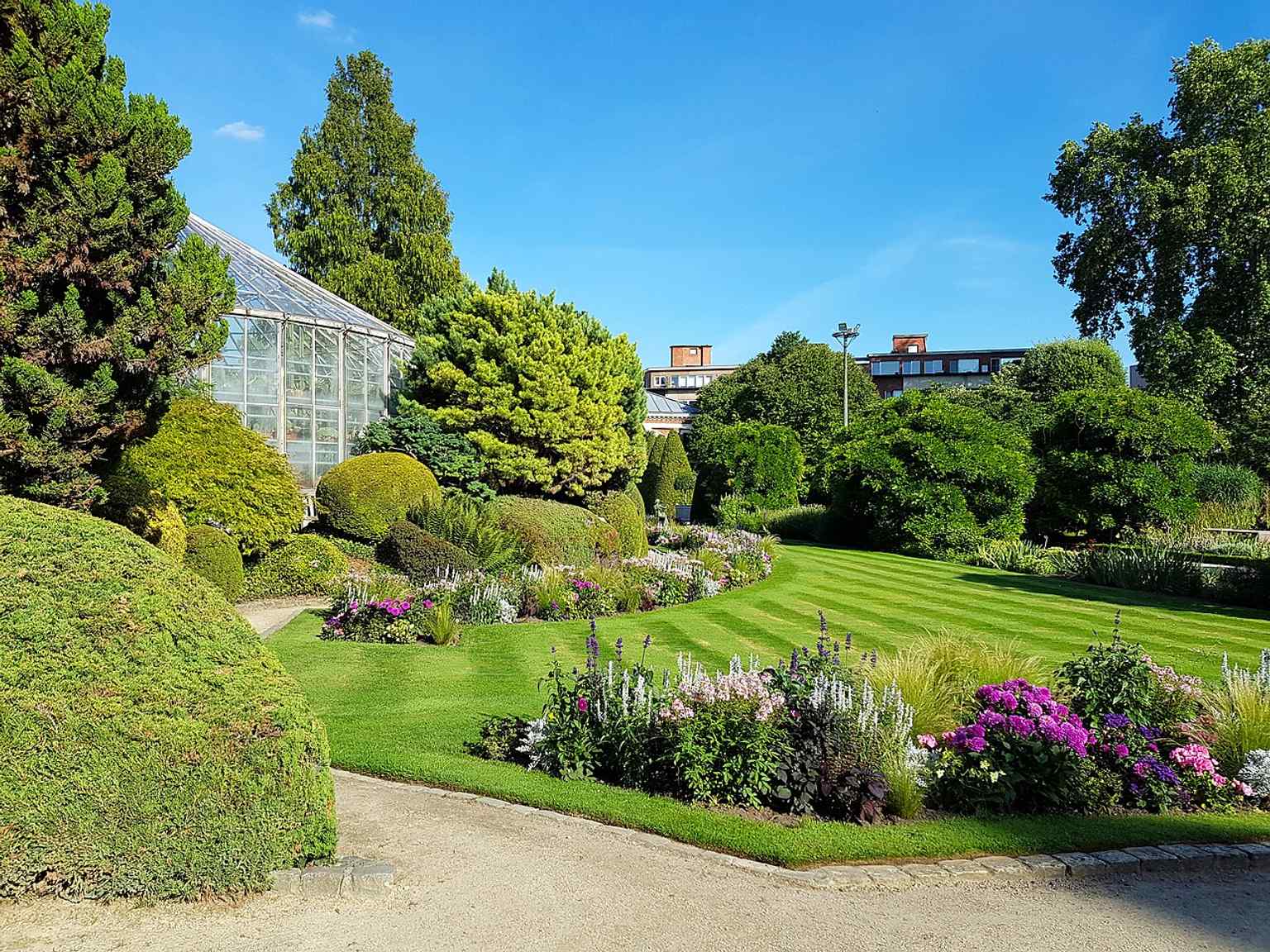
In eighteen thirty-five, the garden passed from the university to the city, but it kept serving students and professors. The public could enter too, with one firm rule: look, learn, stroll... but don’t pick anything. Fair enough. That balance still feels very Leuven to me: serious knowledge, open gate.
If you glance at the app image, you can see that double life clearly: part public promenade, part living collection.
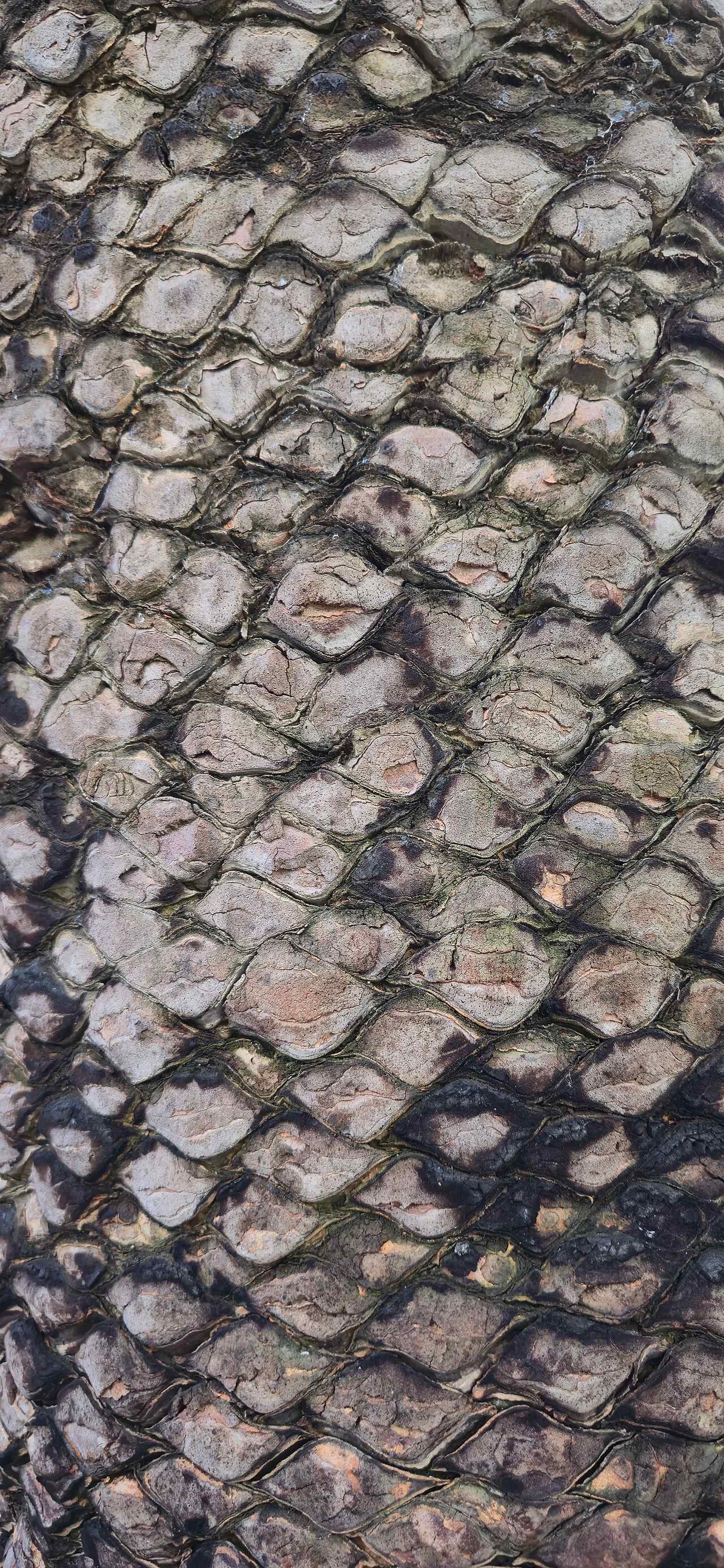
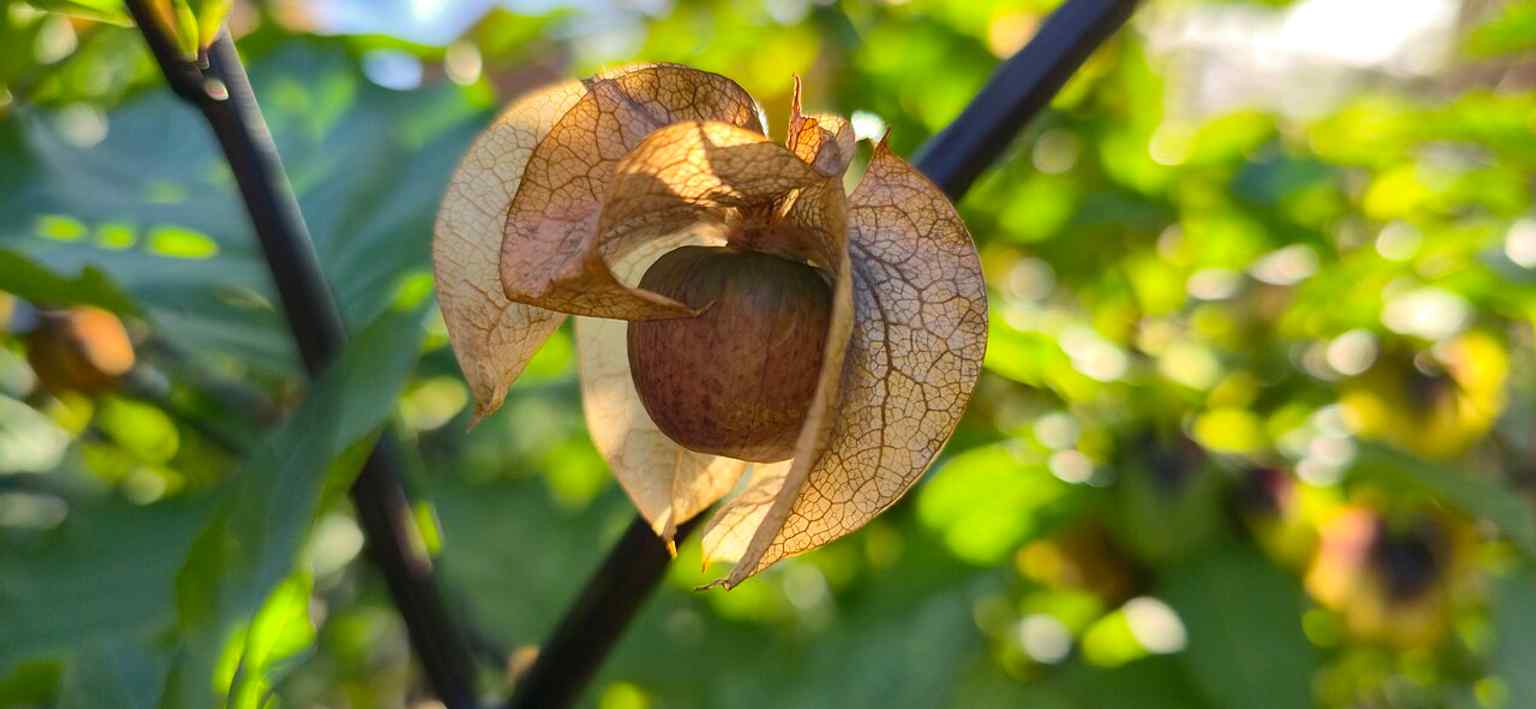
The garden also followed Europe’s great nineteenth-century palm obsession. By the late nineteenth century, it held hundreds of palms. They grew so enthusiastically that staff raised part of the orangerie in eighteen fifty-two to make room, then had to give many away in eighteen eighty-two because the collection had simply outgrown the building. If you check the close-up on your screen, that ongoing taste for remarkable specimens is still very much alive.
One more local detail: almost opposite here on Minderbroedersstraat, number fifty keeps the surviving stone gateway of the first garden, with the words Hortus Botanicus. It is a small survivor, but a meaningful one. This garden changed sites, owners, glass, and even its palm houses, yet the purpose held. In nineteen seventy-six, Leuven formally protected it as both a monument and a heritage site.
From here, the city’s story settles into something more neighborly: a square where civic life still returns in its own yearly rhythms. Head on to Sint-Jacobsplein... about a four-minute walk from here.
If you want to come back through the gate later, the garden generally opens daily from eight in the morning to eight in the evening, and on Sundays from nine in the morning to eight in the evening.





.jpg)

%2C%20Giftbeere.jpg)
.jpg)