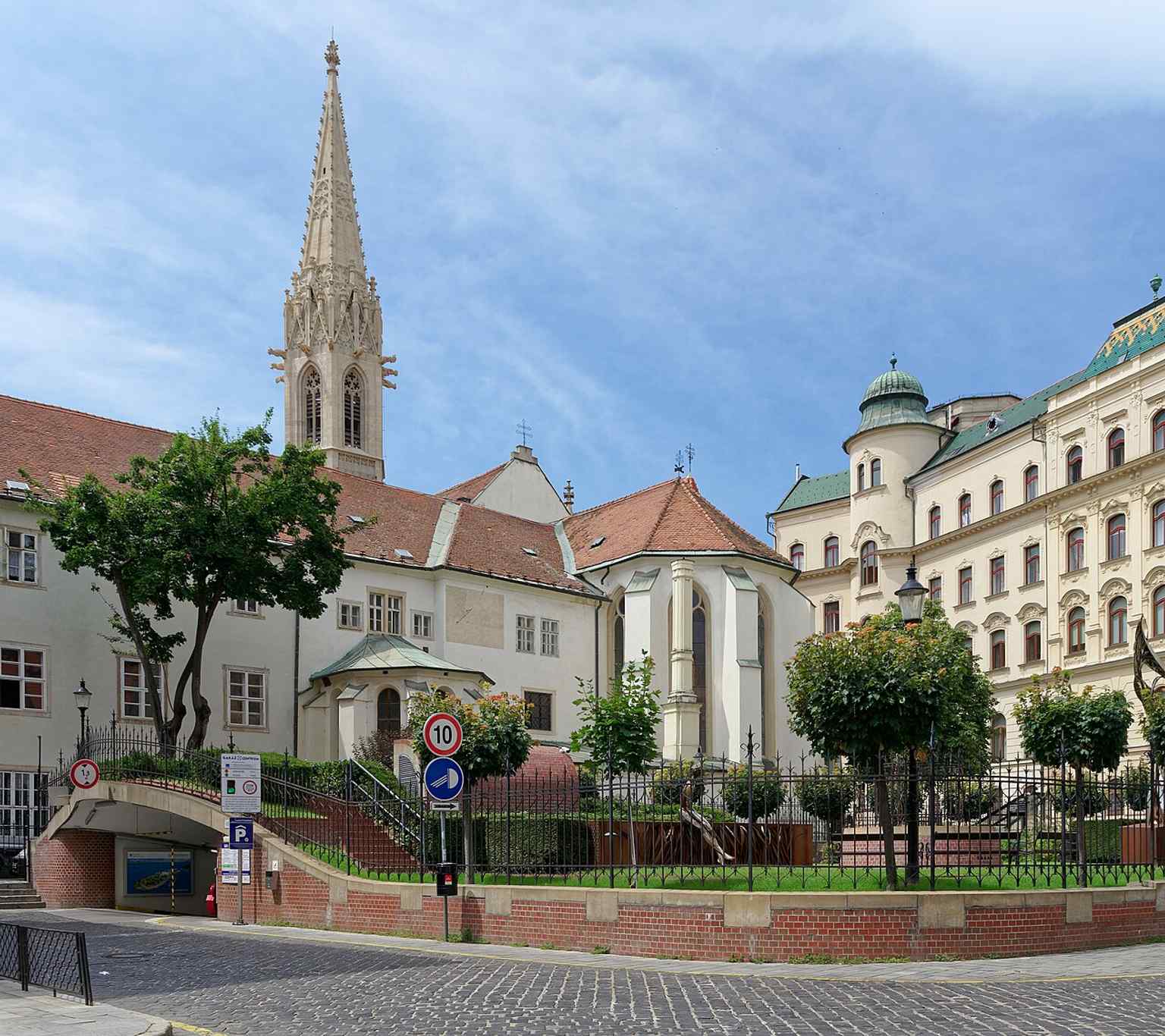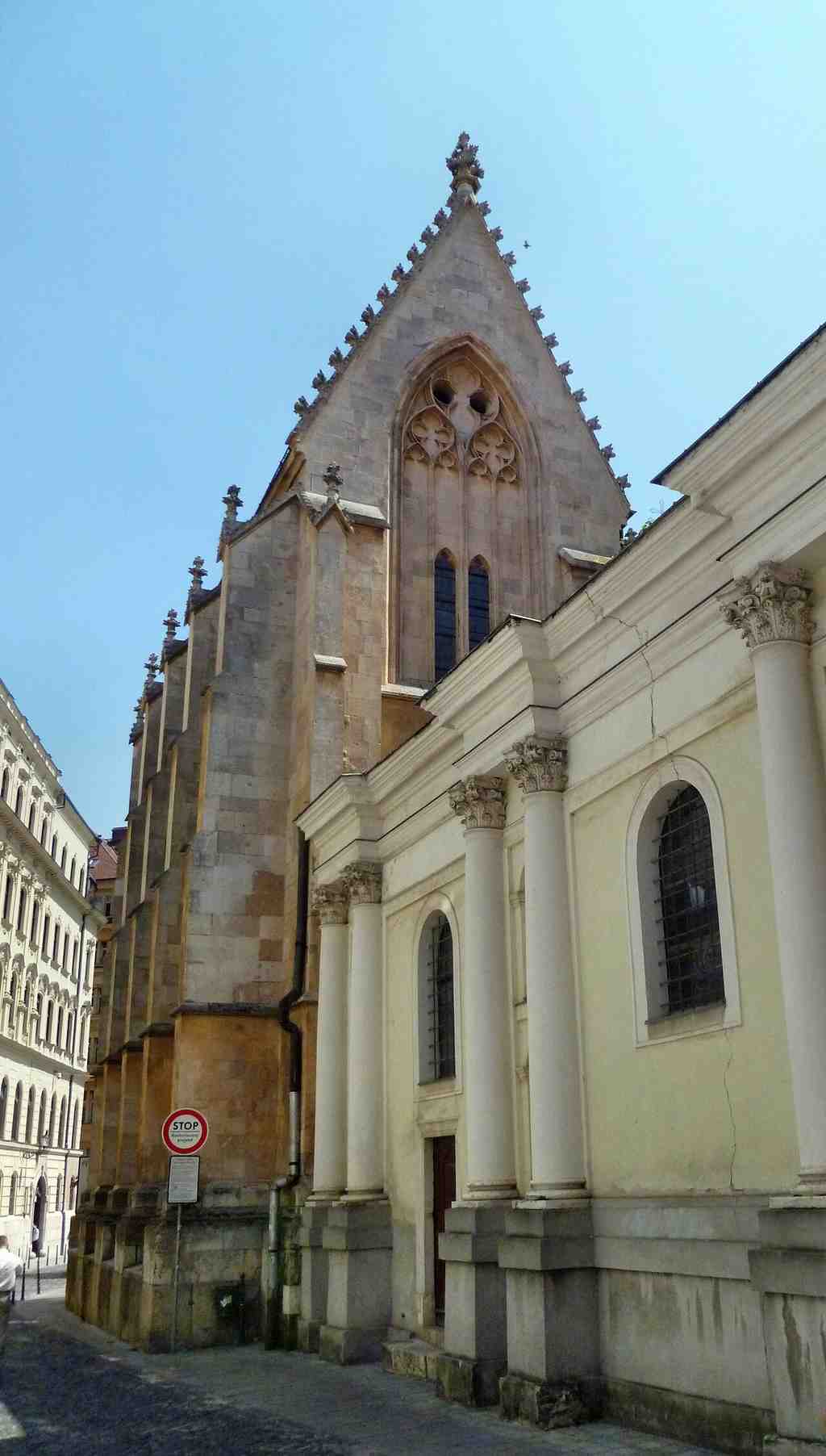
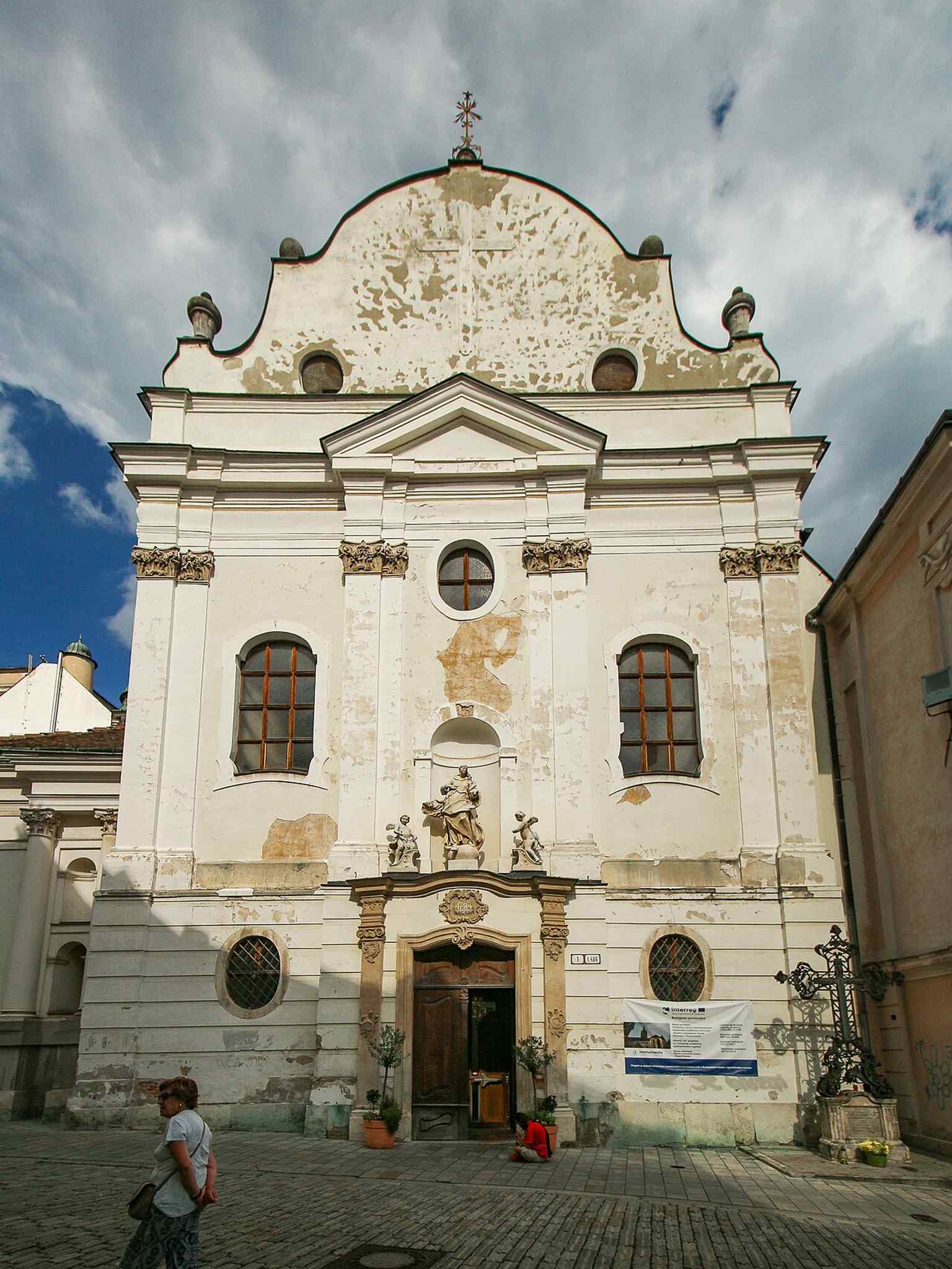
On your left, look for a pale stone-and-plaster façade arranged in two strict tiers, crowned by a rounded gable, with a statue of the Virgin above the main portal.
This is the Church of the Annunciation, better known here as the Franciscan Church, and it is the oldest preserved sacred building in Slovakia’s capital. That sounds noble, and it is... but the deeper story is not just prayer surviving the centuries. It is power, carefully dressed in prayer.
The Franciscans arrived fast after Pope Innocent the Third approved their order in the year twelve oh nine. Around twelve twenty, they began the monastery here, then at the northern edge of the medieval town. The church followed later in the thirteenth century. King Ladislaus the Fourth ordered it as a memorial to victory after the battle of Marchfeld in twelve seventy-eight, when his side defeated the Bohemian king Ottokar the Second.
So yes, devotion mattered. But this church also spoke the language of politics. When King Andrew the Third came here for the consecration on the twenty-fourth of March, twelve ninety-seven, joined by Archbishop Lodomer, bishops, nobles, and townspeople, the ceremony did more than bless a building. It staged legitimacy in public. If you want the local reading of this place, don’t just see a church... see a medieval press conference in stone. Most visitors never notice that the consecration itself acted as a major political demonstration, gathering the kingdom’s top churchmen and power brokers to make victory, dynasty, and divine favor look inseparable.
And the city kept using this sacred ground for worldly business. In the monastery here, the Hungarian estates elected Ferdinand the First in fifteen twenty-six. Citizens later chose the town judge and council here, and even a Hungarian diet, a national assembly, met in the complex. After coronations at Saint Martin’s Cathedral, new kings came here to knight selected nobles as Knights of the Golden Spur. That is a pretty good sign this was no quiet corner chapel.
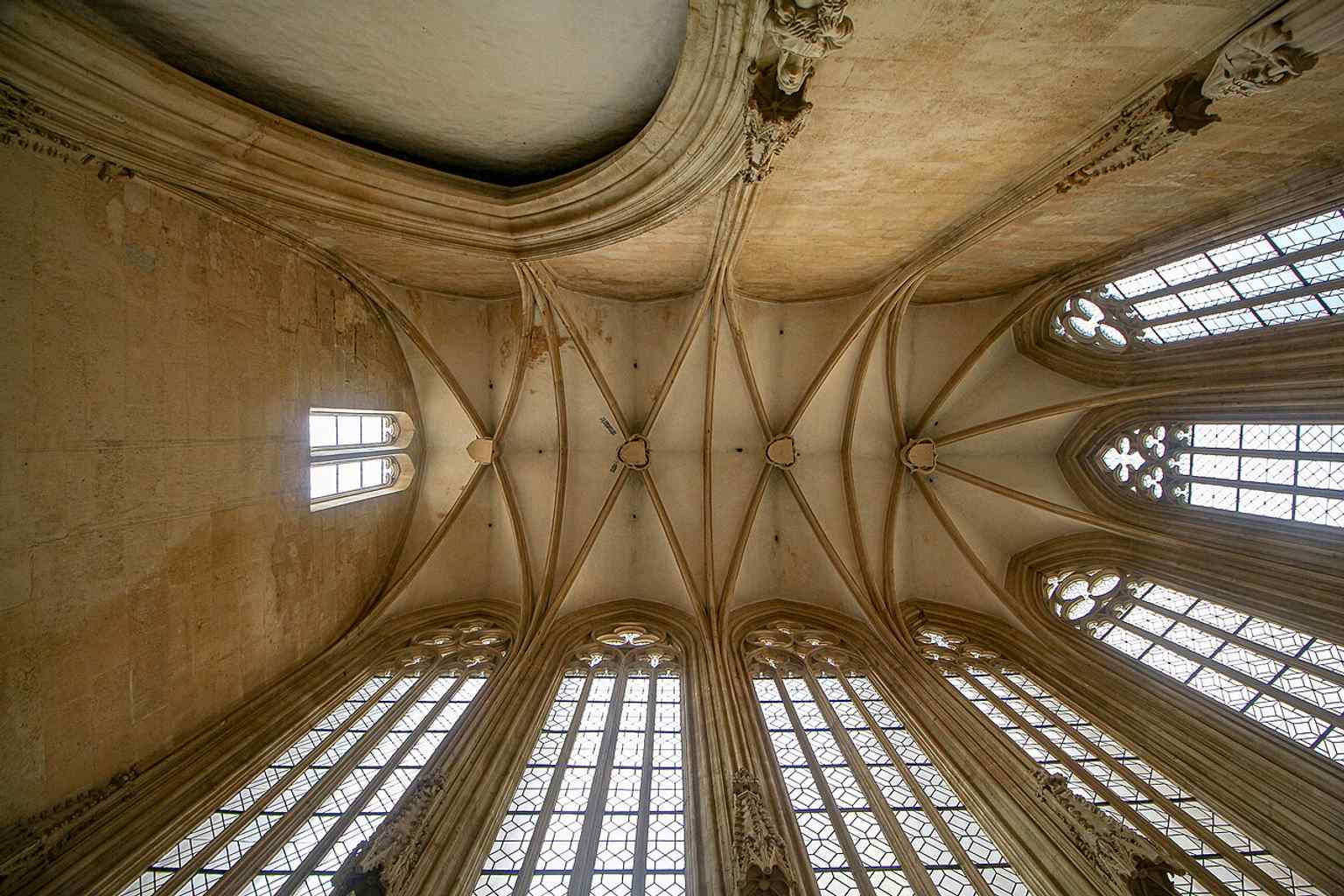
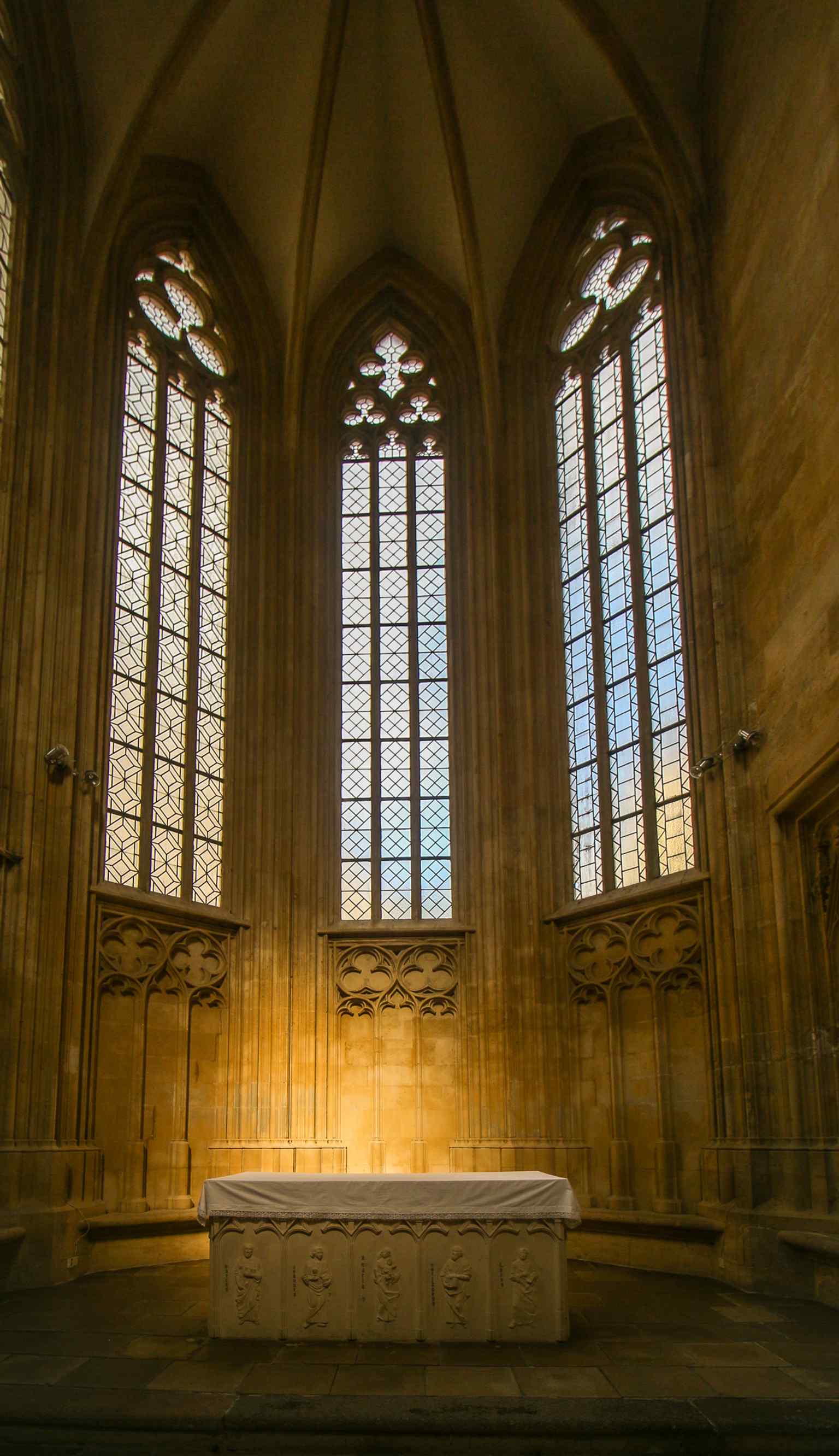
What you see outside also carries the marks of a city rewritten. Of the original Gothic church, only the presbytery, the altar end, and parts of the main walls still survive. Earthquakes in fifteen eighty and fifteen eighty-six damaged the church so badly that the vault over the nave, the main central hall, collapsed. The friars spent more than thirty years recovering. Later centuries added Renaissance repairs, then Baroque splendor.
That Baroque front in front of you came in the years seventeen forty-five and seventeen forty-six, when Lucca de Schramm reshaped the façade into this stern symmetry. Above the portal, the sculptor Jozef Sartory placed the Virgin with two angels, as if heaven itself had learned a little stagecraft. If you check the image on your screen, you can see how the later façade wraps itself around a much older core.
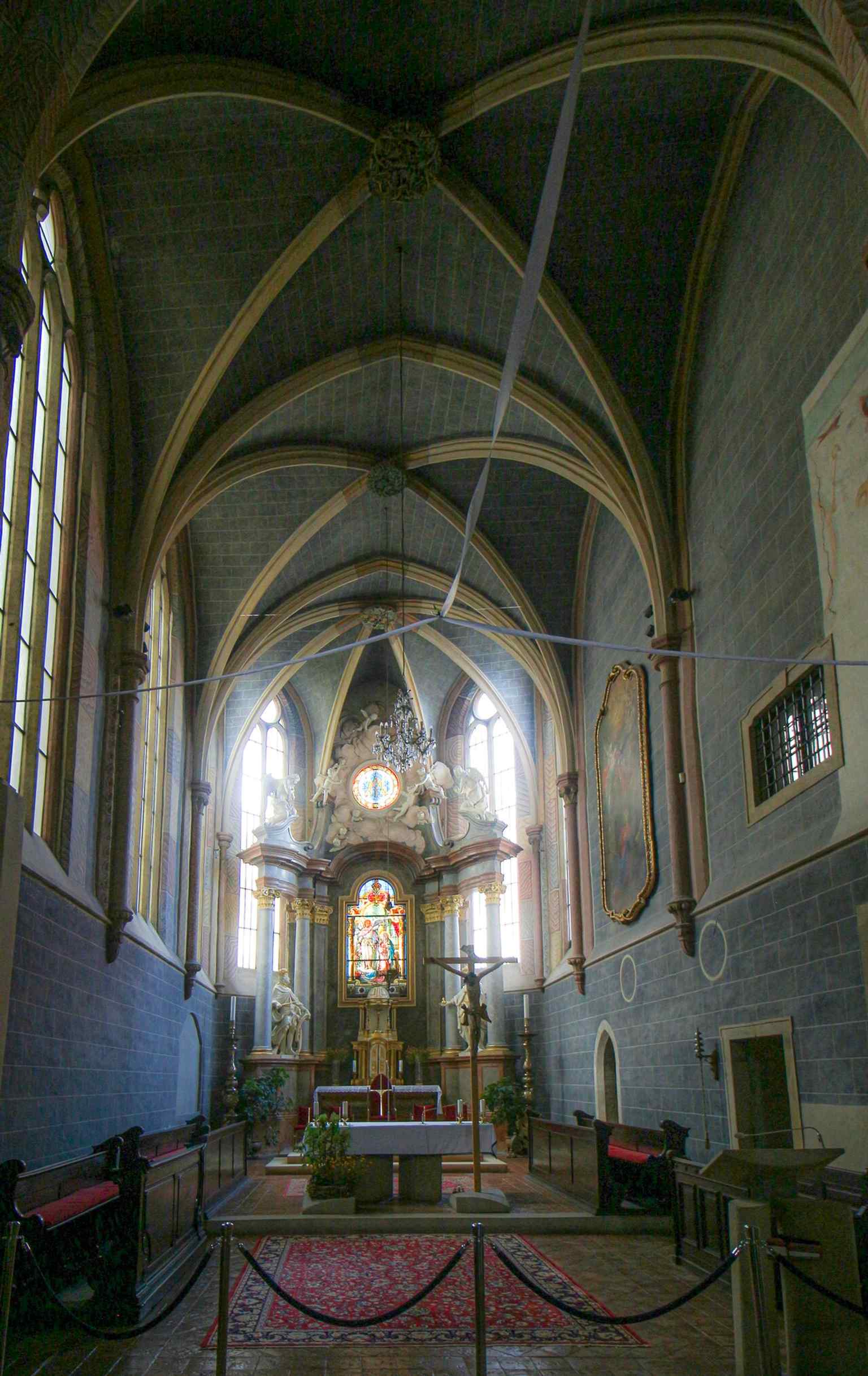
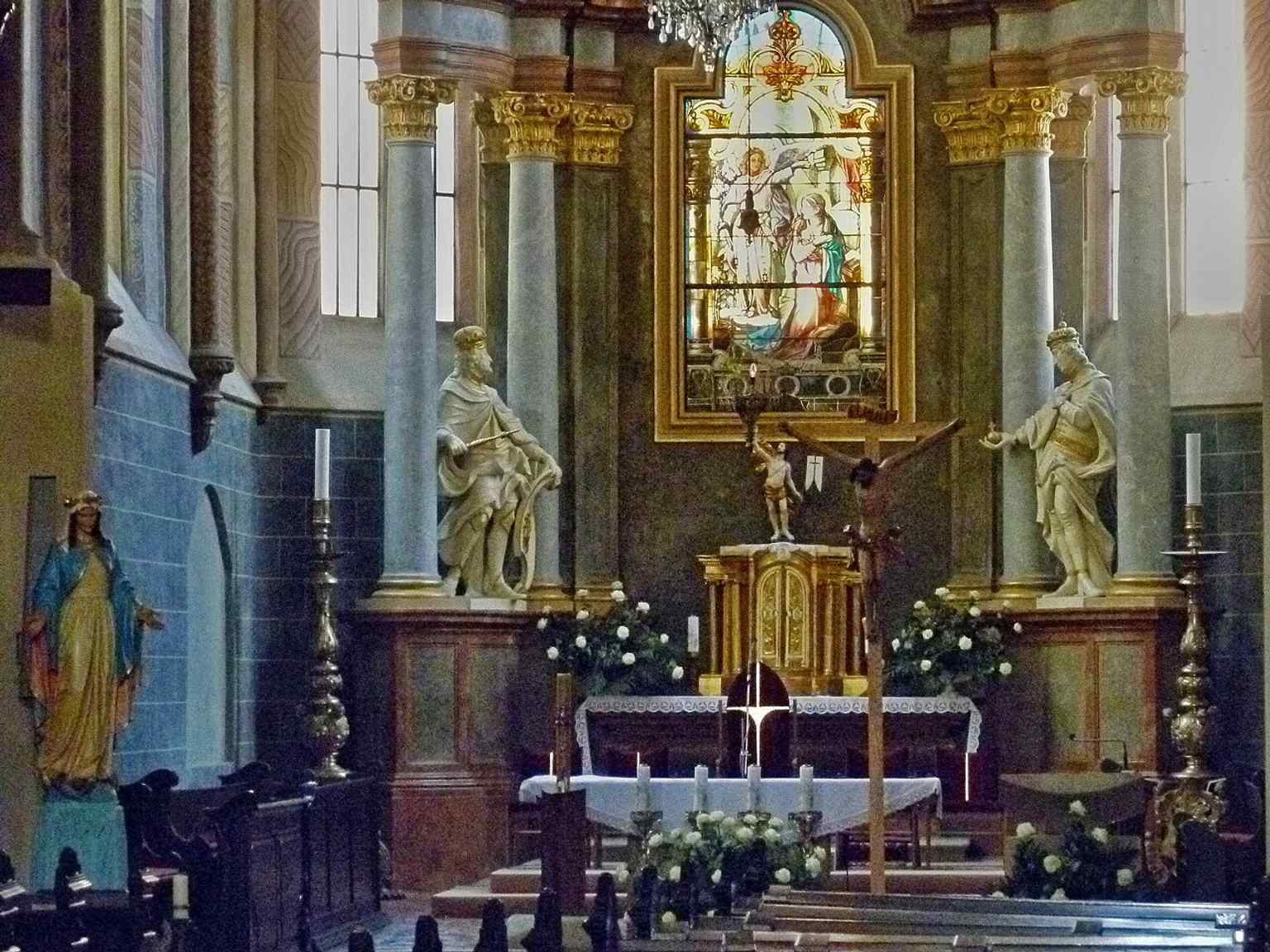
Inside, the layering continues. A glance at your app shows the rich Baroque interior that replaced earlier furnishings after the earthquake damage. Yet this is not a frozen museum piece. The Franciscans still use it for worship, baptisms, weddings, and community life.
From here, faith in Bratislava steps into even more confident Baroque costume. In about five minutes, the Church of Saint John of Matha will show you that next act.