
50+ languages

 Porto Alegre · Brazil
 Porto Alegre Audio Tours
Discover Porto Alegre with self-guided audio walking tours
headphones
2 tours
pin_drop
20 landmarks
translate
Porto Alegre tours
Pick a Porto Alegre worth walking.
Self-guided audio tours written by people who actually live there.
2 tours
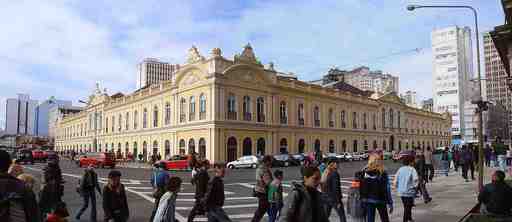
Porto Alegre Highlights Audio Tour: Historic Heart
Beneath the quiet cobblestones of Porto Alegre lie secrets forged in blood, ink, and political fire. While thousands walk past these façades, you will peel back the iron curtains of history to witness the city as it truly is: raw, haunted, and defiant. This self-guided audio tour navigates the heart of the Centro Histórico, unlocking the hidden narratives of the Piratini Palace and the Mario Quintana culture house. Discover the scandals and forgotten ghosts that most travelers miss entirely. Why did a single bullet change the course of a revolution inside these halls? What unseen forces linger in the shadows of the Basilica of Our Lady of Sorrows? And why does a phantom typewriter still echo within the walls of a famous poet’s home? Traverse through political chaos and architectural majesty. Transform your perspective as you walk through this living museum of rebellion and grace. Start your journey into the shadows now.
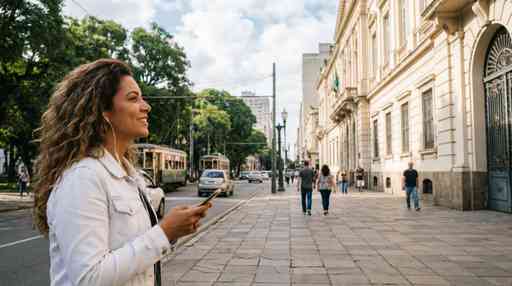
Porto Alegre Audio Tour: A Journey Through Porto Alegre's Historic Gems
Beneath Centro Histórico’s grand facades, whispers of uprisings, lost poets, and vanished treasures echo through sunlit corridors and shadowed squares. This self-guided audio tour cracks open Porto Alegre’s heart, revealing backstories most travelers never hear. Feel the weight of power shifts at Piratini Palace. Wonder what secrets Alfândega Square still keeps beneath its lively surface. Why did Mario Quintana retreat to his enigmatic pink fortress and who watched him from the rooftops? Uncover political clashes that shook these boulevards and chase rumors of rebellions plotted in smoky corners. Each step unearths another hidden tale as you wind past landmarks that shaped the city—and kept its biggest secrets close. Get ready to move through centuries with new eyes. The past is alive here, just out of sight. Hit play and let Porto Alegre’s mysteries pull you in from your very first stride.
Top landmarks
The Porto Alegre everyone knows.
The landmarks in every guidebook — and the tours that tell you what guidebooks don't.
A few words on Porto Alegre
Where Brazil's south starts feeling like somewhere else entirely.
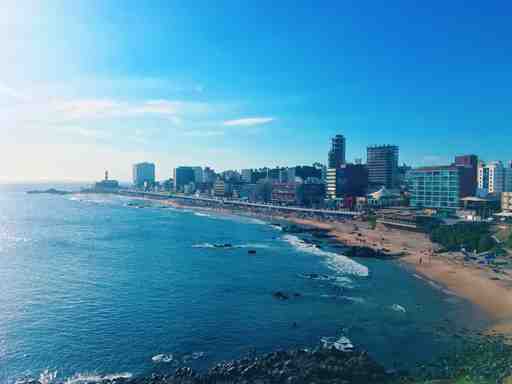
Porto Alegre sits on the northeastern shore of the Lagoa dos Patos, the largest lagoon in South America, where the Guaiba River broadens into something that looks indistinguishable from a sea. The sunset over the Guaiba from the Parque da Harmonia or the Praia do Guaiba is one of the genuine spectacles of Brazilian urban life: the sky turns colors that seem excessive and the whole city pauses to watch. The city was founded in 1772 by settlers from the Azores, and that Azorean origin plus waves of German and Italian immigration from the 1820s onward shaped a Rio Grande do Sul culture that feels noticeably different from the rest of Brazil, something the gauchesco pride of the region makes no effort to hide.
The gaucho tradition of southern Brazil is not the same as Argentine gaucho culture but is its close cousin, rooted in the cattle-herding history of the Pampas grasslands.
Chimarrao, a bitter unsweetened mate tea drunk from a gourd through a metal straw, is consumed constantly and everywhere, at work, on the street, in meetings, at home. It is offered to guests before coffee is. Churrasco as practiced here means wood-fire grilled meats served on long skewers, carved at the table in a ceremony that differs from the north, and the state claims its version predates any other Brazilian churrasco tradition.
Porto Alegre
Porto Alegre FAQ
Before you walk.
The Centro Historico has colonial and neoclassical architecture around the Mercado Publico and Praca da Alfandega. The Moinhos de Vento neighborhood is a pleasant upscale residential district with a park and good cafes. The Cidade Baixa is the bohemian nightlife quarter with bars and restaurants in converted old buildings.
The Trensurb metro line connects the airport to the city center in about 35 minutes cheaply and reliably. The extensive city bus network covers most neighborhoods. Rideshare apps operate throughout the city. The central areas are walkable but the city's hills can add up over a long day.
The central market area, Cidade Baixa, Moinhos de Vento, and Bom Fim are reasonably safe for daytime walking. Keep valuables secured in the crowded Mercado Publico area. As with all Brazilian cities, avoid displaying expensive phones or cameras conspicuously and exercise standard urban awareness after dark.
Churrasco (rodizio-style barbecue) and Gaucho-style grilled meats are the essential food experience. The Mercado Publico in the city center has excellent food stalls serving local dishes. Try an arroz con leite (rice pudding) at any traditional confectionery. For chimarrao, just accept a gourd from any Porto Alegrense who offers you one.
Every Porto Alegre tour, in your language.
All 50+ languages, included with every booking.
🇬🇧 English🇫🇷 Français🇪🇸 Español🇩🇪 Deutsch🇮🇹 Italiano🇯🇵 日本語🇨🇳 中文🇰🇷 한국어+ 41 more
star AudaTours Unlimited
Visiting more than one city? Subscribe.
Unlock every Porto Alegre tour — plus thousands more worldwide. Cancel any time.
$4.99/week · Cancel anytime




Loved by travellersThousands of tours started.
Thousands of tours started.
Plenty of opinions.
4.8 across the App Store and Google Play. Here's a few we keep coming back to.
starstarstarstarstar
This tour was such a great way to see the city. The stories were interesting without feeling too scripted, and I loved being able to explore at my own pace.

Jess
Tbilisi Tourstarstarstarstarstar
This was a solid way to get to know Brighton without feeling like a tourist. The narration had depth and context, but didn't overdo it.

Christoph
Brighton Tourstarstarstarstarstar
Started this tour with a croissant in one hand and zero expectations. The app just vibes with you, no pressure, just you, your headphones, and some cool stories.

John
Marseille Tourdownload Get the app Pop your headphones in.


Pop your headphones in.
Step outside.
Free to download. Tours in every city. Start in 60 seconds — no account, no card.

headphones
~ 4 min until your first tour starts
public
1,000+ cities worldwide
all_inclusive
AudaTours
Unlimited
Every tour. Every city. One subscription.
3097 tours2273 cities138 countries50+ languages
$39 /year
all_inclusive Explore Unlimited