
50+ languages

 Sao Paulo · Brazil
 Sao Paulo Audio Tours
Discover Sao Paulo with self-guided audio walking tours
headphones
4 tours
pin_drop
20 landmarks
translate
Sao Paulo tours
Pick a Sao Paulo worth walking.
Self-guided audio tours written by people who actually live there.
4 tours
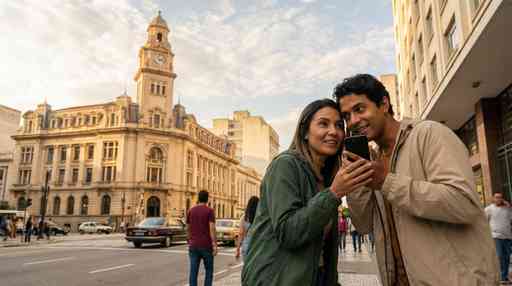
Sao Paulo Highlights Audio Tour: Urban Icons
Beneath the steel and glass of São Paulo lies a restless graveyard of political conspiracies and whispered rebellions. The city breathes history through its crumbling stone facades and towering concrete giants. Unlock these secrets with an immersive self guided audio tour designed to peel back the layers of the metropolis. Skip the crowded tourist paths to find the clandestine corners where history actually happened. Why did the city’s most iconic skyscraper nearly crumble during a forgotten scandal? What dark pacts were sealed within the silent walls of the Monastery of São Bento? How did a single act of defiance in the Anhangabaú Valley trigger a revolution? Traverse the shifting cityscape, feel the frantic pulse of the streets, and watch the shadows dance across history. Gain a radical perspective on a city that never stops fighting for its soul. Press play and begin your descent into the heart of São Paulo.
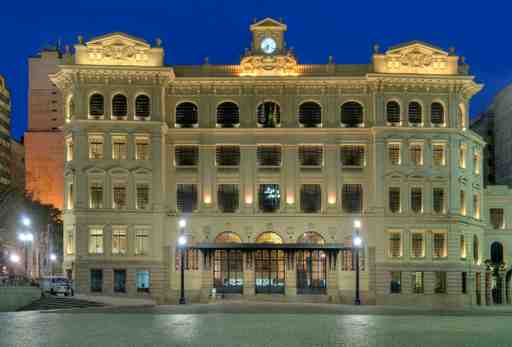
São Paulo Audio Tour: Icons, Intrigue & Stories of República
Beneath São Paulo’s soaring skyline, secrets and scandals echo between crumbling grandeur and bold concrete. This is not just the city in photos but the stories whispered behind closed doors. Set off on a self-guided audio tour packed with compelling tales and overlooked treasures. Trace the avenues most visitors miss and unlock the untold drama behind each famous facade. Who risked everything during a midnight power grab at Palácio dos Correios? What strange pact is hidden in the shadow of the Copan Building’s iconic curves? Why does time stand eerily still at Largo da Memória, and whose footsteps can still be heard at dusk? This journey will sweep through shifting streets and timeworn plazas, letting São Paulo reveal its true pulse: alive, rebellious, and endlessly surprising. See every stone and skyline with new eyes. Start listening now and let the real São Paulo unfold at your feet.
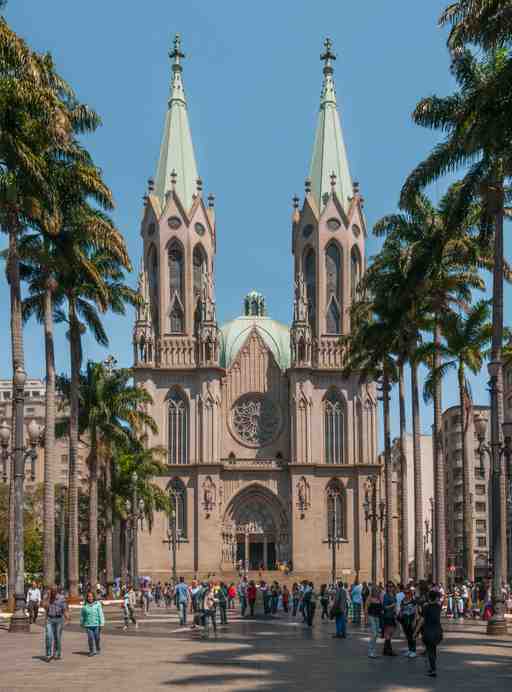
Sao Paulo Audio Tour: A Journey Through Historic Sé
Thunder once shook São Paulo’s heart at Sé Square while fortunes and destinies shifted beneath the looming Cathedral spires. Every stone here hides traces of vanished rebels and midnight intrigue. This self-guided audio tour plunges you beyond tourist snapshots, unlocking powerful secrets from the soaring São Paulo Cathedral to the hushed halls of Mosteiro de São Bento. Walk in the footsteps of revolutionaries, bankers, monks, and dreamers—each step peels back another layer that most visitors never see. Who plotted an escape through the Cathedral’s shadowy crypts when São Paulo was on the brink of revolt? Which stock market scandal brought B3’s marble corridors to a standstill overnight? And why do bell chimes still echo tales of betrayal at the monastery walls? Move through thunderous politics, whispers of forgotten saints, and crackling city legends. Discover how São Paulo’s oldest district beats with restless stories. The secrets are waiting. Listen and uncover what shakes in the shadows.

Sao Paulo Audio Tour: A Tapestry of São Paulo's Landmarks
A city where skyscrapers twist like sculptures and secrets linger in the shadow of every façade: São Paulo hides its fiercest stories behind concrete and glass. This self-guided audio tour leads you through bustling avenues and timeworn chapels, unveiling crimes, legends, and echoes of revolution most visitors never hear about. What caused flames to leap through the Joelma Building, forever changing a generation? Which unsolved mystery is etched beneath the stained-glass windows of Igreja Nossa Senhora da Consolação? And why do insiders say that Edifício Copan holds more than just architectural genius? Move through São Paulo’s streets with new eyes, tracing the scars of scandal and bravery that still pulse beneath the surface. Each step brings drama alive in unexpected corners and transforms familiar sights into gateways for discovery. Press play and uncover São Paulo’s hidden stories. The city’s unfinished tales await—right here, right now.
Top landmarks
The Sao Paulo everyone knows.
The landmarks in every guidebook — and the tours that tell you what guidebooks don't.
A few words on Sao Paulo
Twenty million stories, zero patience for standing still.
Sao Paulo was founded on January 25, 1554 by Jesuit priests at the spot now called Patio do Colegio, a courtyard in the historic center that still exists and still marks the city's origin point. From those two Jesuits and a small mission, the city became the largest in South America and one of the ten largest metropolitan areas on earth. The journey took about four centuries and happened with extraordinary speed in the last hundred years. Paulista Avenue, the financial spine of the city, was a boulevard of coffee baron mansions when it opened in 1900. The mansions are gone; in their place stands the Museu de Arte de Sao Paulo, cantilevered above the street on two massive concrete pillars, which locals treat as an underpass.
The Modern Art Week of 1922, held at the Theatro Municipal on Praca Ramos de Azevedo, launched Brazilian modernism as a cultural project.
The event brought together writers, composers, and visual artists who decided, explicitly and collectively, to build a Brazilian culture that was not merely an imitation of Europe. That argument is still going on. Sao Paulo hosts the world's largest Arab, Italian, and Japanese diasporas outside their home countries, and walking through Liberdade (Japanese), Bixiga (Italian-origin working class), or the streets around Largo do Arouche puts you inside the ongoing negotiation between what those communities brought and what they became here.
Sao Paulo
Sao Paulo FAQ
Before you walk.
Safety varies significantly by neighborhood and time of day. In tourist-friendly areas like Paulista Avenue, Ibirapuera, Pinheiros, and Vila Madalena, walking with headphones is generally fine during daylight hours. Keep your phone less visible, be aware of your surroundings, and avoid walking alone in the central historic district at night. Paulista Avenue is particularly well-policed.
Sao Paulo has a subtropical highland climate. April through September (winter) is drier and more comfortable for walking, with temperatures typically between 15-23 degrees Celsius. October through March brings heavy afternoon rains. Any time of year, mornings are better than afternoons for outdoor walks.
The Metro system is clean, efficient, and covers key areas including Paulista, the historic center, and Liberdade. The Bilhete Unico card covers metro and bus travel. For a focused walking tour, stay within a single neighborhood as the city is enormous and distances between areas are significant.
Eat from street vendors and markets rather than restaurants for the most authentic experience. Look for coxinha (fried chicken dough snacks), pastel de feira (fried pastry with various fillings), tapioca crepes, and pao de queijo (cheese bread). The Mercadao (Mercado Municipal) on Rua da Cantareira is worth a visit specifically for the mortadella sandwich and codfish fritters sold at the counters inside.
Every Sao Paulo tour, in your language.
All 50+ languages, included with every booking.
🇬🇧 English🇫🇷 Français🇪🇸 Español🇩🇪 Deutsch🇮🇹 Italiano🇯🇵 日本語🇨🇳 中文🇰🇷 한국어+ 41 more
star AudaTours Unlimited
Visiting more than one city? Subscribe.
Unlock every Sao Paulo tour — plus thousands more worldwide. Cancel any time.
$4.99/week · Cancel anytime





Loved by travellersThousands of tours started.
Thousands of tours started.
Plenty of opinions.
4.8 across the App Store and Google Play. Here's a few we keep coming back to.
starstarstarstarstar
This tour was such a great way to see the city. The stories were interesting without feeling too scripted, and I loved being able to explore at my own pace.

Jess
Tbilisi Tourstarstarstarstarstar
This was a solid way to get to know Brighton without feeling like a tourist. The narration had depth and context, but didn't overdo it.

Christoph
Brighton Tourstarstarstarstarstar
Started this tour with a croissant in one hand and zero expectations. The app just vibes with you, no pressure, just you, your headphones, and some cool stories.

John
Marseille Tourdownload Get the app Pop your headphones in.


Pop your headphones in.
Step outside.
Free to download. Tours in every city. Start in 60 seconds — no account, no card.

headphones
~ 4 min until your first tour starts
public
1,000+ cities worldwide
all_inclusive
AudaTours
Unlimited
Every tour. Every city. One subscription.
3097 tours2273 cities138 countries50+ languages
$39 /year
all_inclusive Explore Unlimited