
50+ languages

 Rio de Janeiro · Brazil
 Rio de Janeiro Audio Tours
Discover Rio de Janeiro with self-guided audio walking tours
headphones
2 tours
pin_drop
20 landmarks
translate
Rio de Janeiro tours
Pick a Rio de Janeiro worth walking.
Self-guided audio tours written by people who actually live there.
2 tours

Rio de Janeiro Highlights Audio Tour: Colonial Heritage and Bohemian Charms
Rio de Janeiro hides a labyrinth of ghosts behind its sun-drenched facade. Beneath the grand colonial arches and towering spires lies a city built on political betrayals, forgotten rebellions, and shadows that never truly faded. This self-guided audio tour acts as your personal key to the Centro district. Uncover the scandals and secret histories that remain invisible to the casual observer. Why did a single book collection drive the elite to the brink of madness? What hidden ritual stained the foundations of the cathedral red? And which long-buried document caused a sudden, violent shift in the national power structure? Navigate through the pulse of the streets and let history breathe against your skin. You are not just walking through a city. You are chasing the echoes of empires that collapsed in the dark. Start your journey now and finally see what the stones are trying to hide.

Rio de Janeiro Audio Tour: Journey Through Rio's Icons
In the heart of Rio de Janeiro, skyscrapers cast shadows over secrets buried since the city’s boldest revolutions. The walls of Centro hide stories far stranger than samba or carnival—each street corner crackles with history waiting to be uncovered. Take this self-guided audio tour and unlock a side of Rio most visitors never see. Trace paths from monumental icons like Petrobras and the Brazilian Institute of Geography and Statistics to the modernist marvel of Gustavo Capanema Palace, listening as echoes of lost rebellions, government cover-ups, and vanished visionaries come alive. Which secret meeting nearly toppled a regime inside these silent chambers? What bizarre artifact vanished from the halls of power one stormy night? Whose footsteps haunt the palace’s concrete corridors at midnight? Move between steel and stone, feeling tension and triumph pulse beneath your feet. This journey remakes city streets into a living stage where drama and discovery unfold with every step. Unlock the doors. Let Rio’s hidden history lead you forward.
Top landmarks
The Rio de Janeiro everyone knows.
The landmarks in every guidebook — and the tours that tell you what guidebooks don't.
A few words on Rio de Janeiro
Mountains in the city, ocean at its feet, and an appetite for spectacle.
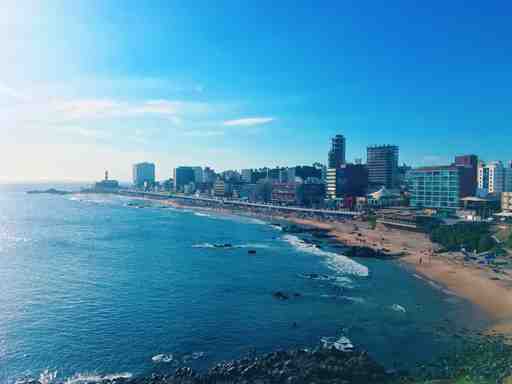
Rio de Janeiro was founded on March 1, 1565, by Portuguese explorer Estacio de Sa on a bay so sheltered and so beautiful that European sailors had assumed for decades it was the mouth of a great river. They named it River of January. The surrounding geography is freakish in its drama: the granite peaks of Corcovado (with Christ the Redeemer at 710 meters, completed 1931) and Sugarloaf Mountain at the mouth of the bay frame a city built on the narrow strips of land between mountains and ocean. The beaches of Copacabana, Ipanema, and Leblon are not incidental to Rio; they are where the city conducts much of its public life.
From 1808 to 1821, Rio was something unprecedented: the capital of a European monarchy operating from its colony.
The Portuguese royal court, fleeing Napoleon's invasion, established here the National Library, the Military Academy, the Botanical Garden, and the Imperial Academy of Fine Arts. The city became what only capitals can become, the place where institutions accumulate and architecture states intentions. The Valongo Wharf, now a UNESCO World Heritage Site, received between 500,000 and one million enslaved Africans between 1811 and 1831, making it the largest port of entry for enslaved people in the Americas. Both histories belong to the same city.
Rio de Janeiro
Rio de Janeiro FAQ
Before you walk.
Rio requires more caution than many cities. Stick to well-traveled areas during daylight: Ipanema, Leblon, Santa Teresa in groups, and Lapa in the evening. The Centro district is fine in working hours but quieter and less safe at night. Keep your phone inside a pocket when not using it. Ask your hotel which neighborhoods and which hours are currently recommended.
May through October is the drier, slightly cooler season (20-28 degrees Celsius) and the most comfortable for walking. November through April is the wet season with heavy afternoon rains and summer heat up to 40 degrees Celsius. Carnival (February) is the most atmospheric time but accommodation prices peak and crowds are intense.
Sugarloaf is reached by two cable cars from Praia Vermelha in Urca. Corcovado and Christ the Redeemer are reached by cog railway from Cosme Velho station. Both require tickets and have queues; book in advance online. Neither is a walking access, but both are within the orbit of a South Zone walking day.
Pao de queijo (cheese bread rolls) from any bakery for breakfast. On the beach, look for mate tea vendors and biscoito Globo (light cracker rings). For a meal, try a kilo restaurant (pay by weight) for a full range of Brazilian dishes at reasonable prices. Feijoada (black bean and pork stew) is the traditional Saturday lunch, served everywhere on that day.
Every Rio de Janeiro tour, in your language.
All 50+ languages, included with every booking.
🇬🇧 English🇫🇷 Français🇪🇸 Español🇩🇪 Deutsch🇮🇹 Italiano🇯🇵 日本語🇨🇳 中文🇰🇷 한국어+ 41 more
star AudaTours Unlimited
Visiting more than one city? Subscribe.
Unlock every Rio de Janeiro tour — plus thousands more worldwide. Cancel any time.
$4.99/week · Cancel anytime






Loved by travellersThousands of tours started.
Thousands of tours started.
Plenty of opinions.
4.8 across the App Store and Google Play. Here's a few we keep coming back to.
starstarstarstarstar
This tour was such a great way to see the city. The stories were interesting without feeling too scripted, and I loved being able to explore at my own pace.

Jess
Tbilisi Tourstarstarstarstarstar
This was a solid way to get to know Brighton without feeling like a tourist. The narration had depth and context, but didn't overdo it.

Christoph
Brighton Tourstarstarstarstarstar
Started this tour with a croissant in one hand and zero expectations. The app just vibes with you, no pressure, just you, your headphones, and some cool stories.

John
Marseille Tourdownload Get the app Pop your headphones in.


Pop your headphones in.
Step outside.
Free to download. Tours in every city. Start in 60 seconds — no account, no card.

headphones
~ 4 min until your first tour starts
public
1,000+ cities worldwide
all_inclusive
AudaTours
Unlimited
Every tour. Every city. One subscription.
3097 tours2273 cities138 countries50+ languages
$39 /year
all_inclusive Explore Unlimited