
50+ languages

 Salvador · Brazil
 Salvador Audio Tours
Discover Salvador with self-guided audio walking tours
headphones
2 tours
pin_drop
20 landmarks
translate
Salvador tours
Pick a Salvador worth walking.
Self-guided audio tours written by people who actually live there.
2 tours
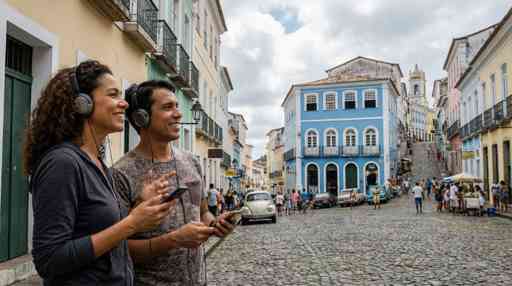
Salvador Highlights Audio Tour: Colonial Treasures and Cultural Soul
Salvador hides a jagged history beneath its golden sun, where opulent cathedrals share soil with the echoes of desperate slave rebellions. This self-guided audio tour cuts through the noise, leading you past the typical tourist path to reveal the scandalous political maneuvers and forgotten tragedies that carved this city’s soul. Why did the stones of the Basilica of Our Lady of the Conception of the Beach arrive from Portugal already numbered for assembly? What dark secret lies behind the heavy iron doors of the Model Market? Can you spot the exact spot where a single elevator ride once decided the fate of a revolution? Navigate the steep cliffs of Elevador Lacerda and feel the weight of centuries pressing against the modern pavement. Transform every street corner into a scene of cinematic intensity. Download the guide now and reclaim the hidden narrative of Salvador.
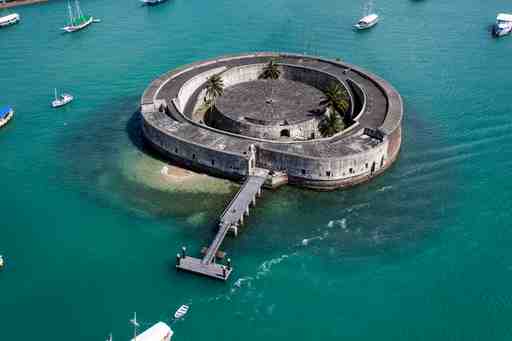
Salvador Audio Tour: An Audio Journey Through Salvador’s Heart
Salt-laden air whips around weathered stone as cannon towers watch the Bay of All Saints—a city where revolution and religion collide in dazzling color. This self-guided audio tour leads through Salvador’s twisting streets, unlocking dramatic stories and hidden corners that guidebooks never mention. Who risked everything within the haunted walls of Forte São Marcelo on the night of a failed uprising? What secrets linger behind the gilded altar of the Cathedral Basilica, echoing with whispers of forbidden ceremony? And which odd object is forever chained to the Pillory, testimony to both justice and shame? Trace shadows of conspirators and saints from fortress ramparts to baroque sanctuaries. Feel the weight of chains and possibility on ancient stones as Salvador’s true heart pulses beneath your feet. Each step reveals untold plots, stunning beauty, and forgotten defiance. Dare to begin. Let Salvador’s mysteries claim your imagination now.
Top landmarks
The Salvador everyone knows.
The landmarks in every guidebook — and the tours that tell you what guidebooks don't.
A few words on Salvador
Brazil's first capital, and still its African heart.
Salvador was where Brazil began. Portuguese colonists founded it in 1549 as the colony's first administrative capital, and for the next two centuries it was the main port through which enslaved Africans were brought to work the sugar plantations of Bahia. That history is inextricable from everything the city is today. The Pelourinho -- the historic hilltop neighbourhood whose name refers to the whipping post at its centre -- is a UNESCO World Heritage Site of faded colonial grandeur: cobblestoned alleys, ochre and blue and rose-painted facades, churches with Baroque interiors gilded within an inch of their structural limits.
The Afro-Brazilian culture that survived slavery and prohibition and official disapproval is the living culture of Salvador.
Candomblé ceremonies still take place in the terreiros of the city's outer neighbourhoods, conducted in Yoruba, following traditions carried intact across the Atlantic. Capoeira was developed here as a form of resistance disguised as dance. Acarajé -- deep-fried black-eyed pea fritters filled with dried shrimp, vatapá and caruru, sold from white-dressed women on street corners -- is one of the great street foods of the world. The Lacerda Elevator, an Art Deco vertical lift built in 1873, connects the Upper Town to the waterfront Lower Town and costs about fifty cents. Use it.
Salvador
Salvador FAQ
Before you walk.
The Pelourinho area is heavily visited and relatively safe during the day. Like much of Brazil, Salvador has significant economic inequality, and walking in less-touristed areas requires more caution. Keep valuables out of sight, avoid displaying expensive cameras or phones, and use Uber rather than walking through unfamiliar areas after dark.
The Pelourinho and historic centre are compact and walkable. The Lacerda Elevator (running since 1873, now fully electrified) connects the upper and lower city in minutes. Uber is reliable and inexpensive for getting to tour starting points from your accommodation.
Acarajé from a street vendor in traditional white dress is the essential Salvador food experience. Moqueca baiana -- a slow-cooked seafood stew made with coconut milk, dende palm oil and fresh peppers -- is the great local dish, served in a clay pot. Tacacá (a hot prawn soup served in a gourd) is unusual and worth trying.
Salvador is hilly and the Pelourinho involves steep cobblestone streets that require sensible footwear. The city is predominantly Afro-Brazilian and has a distinct regional culture, language rhythm and food that differs substantially from São Paulo or Rio. Give it time to reveal itself -- the first day is always disorienting and the second day is usually the best.
Every Salvador tour, in your language.
All 50+ languages, included with every booking.
🇬🇧 English🇫🇷 Français🇪🇸 Español🇩🇪 Deutsch🇮🇹 Italiano🇯🇵 日本語🇨🇳 中文🇰🇷 한국어+ 41 more
star AudaTours Unlimited
Visiting more than one city? Subscribe.
Unlock every Salvador tour — plus thousands more worldwide. Cancel any time.
$4.99/week · Cancel anytime



Loved by travellersThousands of tours started.
Thousands of tours started.
Plenty of opinions.
4.8 across the App Store and Google Play. Here's a few we keep coming back to.
starstarstarstarstar
This tour was such a great way to see the city. The stories were interesting without feeling too scripted, and I loved being able to explore at my own pace.

Jess
Tbilisi Tourstarstarstarstarstar
This was a solid way to get to know Brighton without feeling like a tourist. The narration had depth and context, but didn't overdo it.

Christoph
Brighton Tourstarstarstarstarstar
Started this tour with a croissant in one hand and zero expectations. The app just vibes with you, no pressure, just you, your headphones, and some cool stories.

John
Marseille Tourdownload Get the app Pop your headphones in.


Pop your headphones in.
Step outside.
Free to download. Tours in every city. Start in 60 seconds — no account, no card.

headphones
~ 4 min until your first tour starts
public
1,000+ cities worldwide
all_inclusive
AudaTours
Unlimited
Every tour. Every city. One subscription.
3097 tours2273 cities138 countries50+ languages
$39 /year
all_inclusive Explore Unlimited